
Leave Your Message
Our most advanced sprayer platforms — purpose-built for Brazil's soy, sugarcane, corn, and coffee fields across the Cerrado and Amazon frontier.
Brazil ranks as one of the world's top 3 agricultural powerhouses — and its drone adoption rate is accelerating faster than any other Latin American nation.
Brazil's Cerrado biome — spanning Mato Grosso, Goiás, and Minas Gerais — is the world's most productive tropical savanna. With vast soy, cotton, and sugarcane plantations stretching hundreds of thousands of hectares, manual crop spraying is neither efficient nor safe. Agricultural drones deliver measurable cost savings of up to 40% compared to traditional manned aircraft, while dramatically reducing chemical runoff and worker exposure.
Brazil's aviation authority ANAC and airspace regulator DECEA have established a progressive UAV regulatory framework under RBAC-E No. 94, creating clear pathways for commercial drone operations. The country's adoption of SARPAS — an online drone flight authorization system — has made it significantly easier for agribusinesses to deploy drone fleets legally and at scale, accelerating market penetration across the agriculture, logistics, and inspection sectors.
Brazil's sprawling megacities — São Paulo, Rio de Janeiro, Manaus, and Recife — face chronic last-mile delivery challenges. Traffic congestion costs the São Paulo metro area an estimated R$100 billion annually. Cargo drone solutions represent a transformative opportunity to bypass gridlocked streets, delivering medical supplies, e-commerce packages, and time-sensitive goods directly to rooftops and designated landing pads across the urban fabric.
Over 25 million people live in Brazil's Amazon basin, with thousands of communities accessible only by river or small aircraft. Autonomous cargo drones are now being evaluated by state governments and NGOs to deliver vaccines, diagnostics, and emergency medications to remote indigenous and riverside communities — dramatically cutting delivery times from days to hours and reducing per-kilogram logistics costs by over 60% versus charter flights.
We believe the sky is not a limit — it's the next frontier for everyday mobility.
At Anhui DaShu Aviation, we're on a mission to make aerial services accessible to everyone.
Whether it's helping farmers protect their crops more efficiently, delivering heavy cargo to hard-to-reach areas, or reimagining how people and goods move across cities — we're building the aircraft that will take you there.


We design and manufacture new-energy aircraft for real people and real-world needs. From safeguarding harvests to moving what matters most, our UAV solutions are built to fit seamlessly into your life and work, no matter the mission.

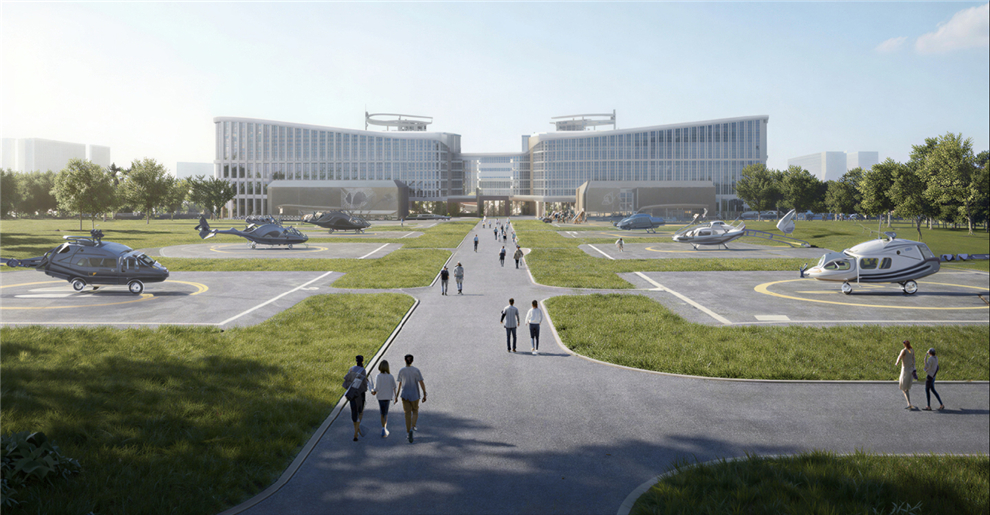
— The future of urban air mobility. Efficient, and completely emission-free, our eVTOL aircraft are designed for passenger transport and city logistics. They can decongest crowded roads, reduce travel times, and lower carbon footprints — making daily commutes faster and cleaner for everyone.

— Precision crop protection that saves time, reduces waste, and significantly improves yields. Our drones navigate complex farmland with ease, automatically avoiding obstacles while applying fertilizers and pesticides exactly where needed. This keeps farmers safe from chemical exposure, lowers operational costs, and supports sustainable farming practices.

— Reliable logistics solutions for last-mile delivery, emergency supply transport, and industrial operations. Whether it's delivering medical supplies to remote villages, transporting construction materials to mountain sites, or supporting disaster relief efforts, our drones carry heavy payloads over challenging terrain with minimal human intervention.
Five structural forces are converging to make Brazil one of the world's most dynamic drone markets over the next decade.
Brazil's Embrapa research network and agribusiness federations are embedding AI-powered drone data into farm management systems. Real-time NDVI mapping, soil moisture sensing, and variable-rate application are becoming standard practice on large farms across Mato Grosso and Paraná, reducing input costs by 25–35% per hectare.
Brazil's Forest Code mandates that 80% of the Amazon biome on private properties remain as native vegetation. Enforcement agencies IBAMA and ICMBio are expanding drone surveillance fleets to detect illegal clearing in real time, creating significant government procurement demand for long-endurance inspection UAVs across the 5-million-km² monitoring zone.
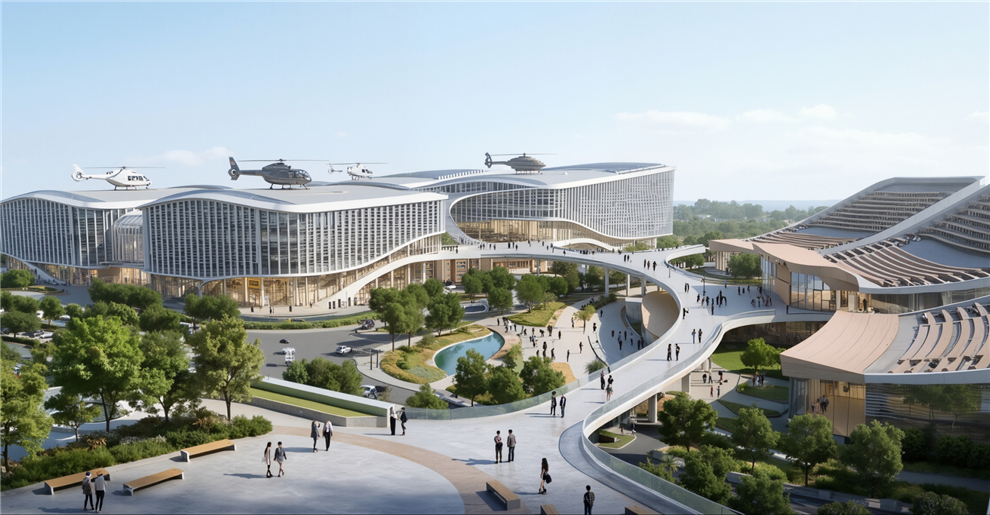
São Paulo and Belo Horizonte are actively evaluating urban air mobility corridors following Brazil's new civil aviation modernization bill (Lei 14.892/2024). Helipads on rooftops, dedicated air routes between airports and business districts, and inter-city eVTOL connections are now moving from concept to pilot-program reality — signaling a multi-billion-real investment wave.
Brazil's SUS public health system serves 214 million people across geography that ranges from dense urban cores to remote riverside villages. Drone-delivered diagnostics, blood products, and anti-venom for snakebite emergencies in the Amazon are now operationally proven. Federal and state health secretaries are allocating dedicated budget lines for drone logistics infrastructure in the 2025–2028 multi-year plan (PPA).
Brazil operates 33,000 km of high-voltage transmission lines, over 7,500 bridges, and more than 200 offshore oil and gas platforms operated by Petrobras and private operators. Drone-based inspection reduces risk, delivers 10× the data density of manual inspection, and is increasingly mandated by Brazilian technical standards (ABNT). The inspection UAV segment is projected to grow at 42% CAGR through 2028.
Brazil's MAPA (Ministry of Agriculture) and MCTI (Ministry of Science and Technology) offer tariff exemptions on imported agricultural technology under the Drawback Suspensão and Ex-Tarifário regimes. Foreign drone manufacturers partnering with local distributors or establishing service centers in Brazil can significantly reduce the landed cost of their equipment, accelerating market penetration among mid-size and large farm operators.
From the Pampas grasslands of Rio Grande do Sul to the coffee highlands of Minas Gerais — our drones are built for every biome, climate, and crop type Brazil has to offer.
Brazil produces one-third of the world's coffee. The steep, terraced hillside plantations of Sul de Minas and Cerrado Mineiro are notoriously difficult to spray by tractor. Compact foldable drones like the QT-N20 navigate these slopes with centimeter precision, reducing herbicide use by 30% and protecting water sources in sensitive watershed zones.
Mato Grosso is Brazil's largest agricultural state, producing over 32% of the nation's soy. Farm units routinely exceed 50,000 hectares. High-capacity platforms like the QT-Z50 and QT-622 — with their 22L+ tanks and rapid-swap battery systems — are engineered to deliver the throughput required for these mega-scale operations, covering up to 120 hectares per day per unit.
São Paulo state accounts for over 55% of Brazil's sugarcane harvest, fueling the world's largest ethanol program (ProÁlcool). Sugarcane's dense canopy creates challenging spray conditions that defeat ground rigs. Drone sprayers penetrate the canopy from above, achieving 95%+ coverage uniformity and eliminating the crop damage caused by heavy machinery wheel tracks.
In Amazonas, Pará, and Mato Grosso do Sul states, river-dependent communities can wait days for medication during seasonal floods. Cargo drones carrying refrigerated vaccines, insulin, and emergency drugs can cut delivery times to under two hours, serving isolated populations that Brazil's terrestrial health infrastructure cannot reliably reach.
Brazil's wind energy boom in Ceará, Rio Grande do Norte, and Piauí has created thousands of new turbines requiring routine blade inspection. High-resolution inspection drones dramatically cut inspection costs versus rope-access technicians, while delivering AI-processable thermal and visual imagery that detects micro-cracks and erosion damage before costly failures occur.
Brazil's southern Pampas supports one of the world's largest cattle herds. Drone mapping and multispectral analysis of pasture health, water trough inventory, and herd distribution enables data-driven rotational grazing decisions — reducing overgrazing losses by up to 20% while improving traceability for export-quality beef certification programs.
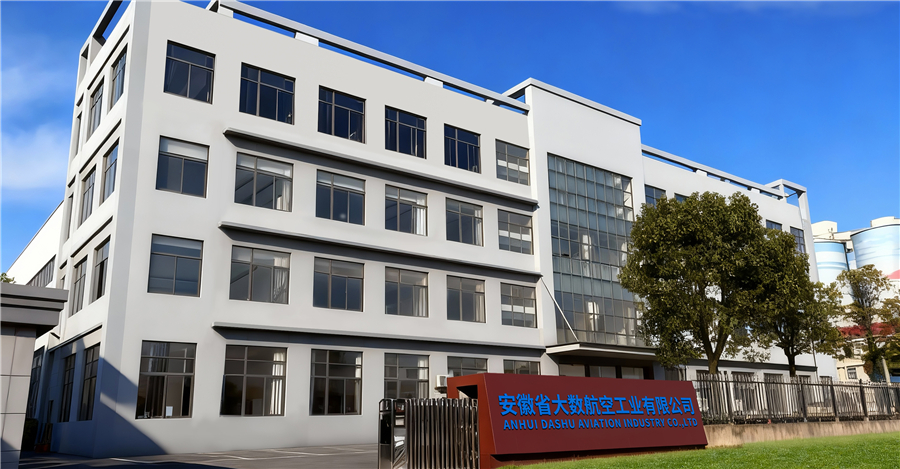
Our R&D and manufacturing center is located in Hefei, China, spanning over 14,800 m² — including an 8,840 m² production workshop and a 2,080 m² office hub.
We're proud to be part of the low-altitude economy revolution, working every day to empower smarter, more connected, and more inspiring cities around the world.
All products meet international airworthiness standards and are designed for smooth ANAC import approval in Brazil.
Dedicated technical support, spare parts logistics, and Portuguese-language training materials for Brazilian operators.
We have shipped to 30+ countries. Our export team handles all customs documentation, INCOTERMS, and Brazil-specific import compliance.
Firmware localization, Portuguese UI, tropicalized hardware for Brazil's humid and high-UV environments, and SARPAS-compatible flight logging.

From compact 10L entry platforms to high-capacity 50L spray-and-spread systems — find the right drone for every Brazilian farm size, crop type, and operational budget.
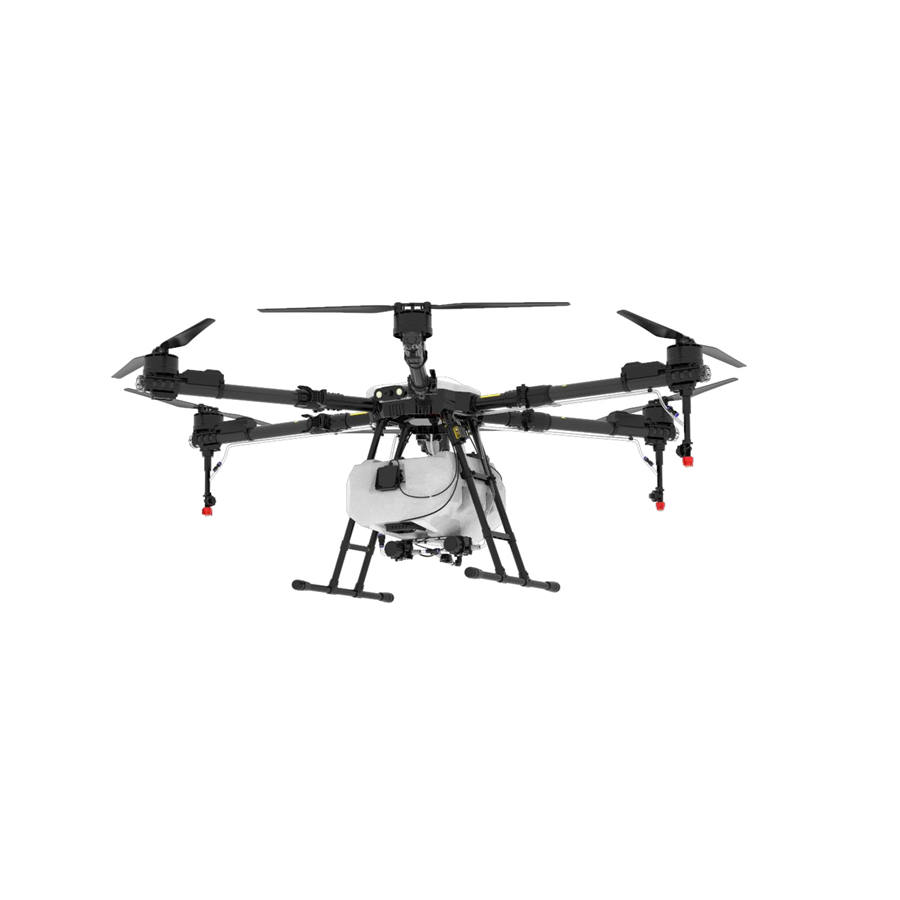 QT-622 Agricultural Drone: 22L Airframe with Wrap-Around Fold
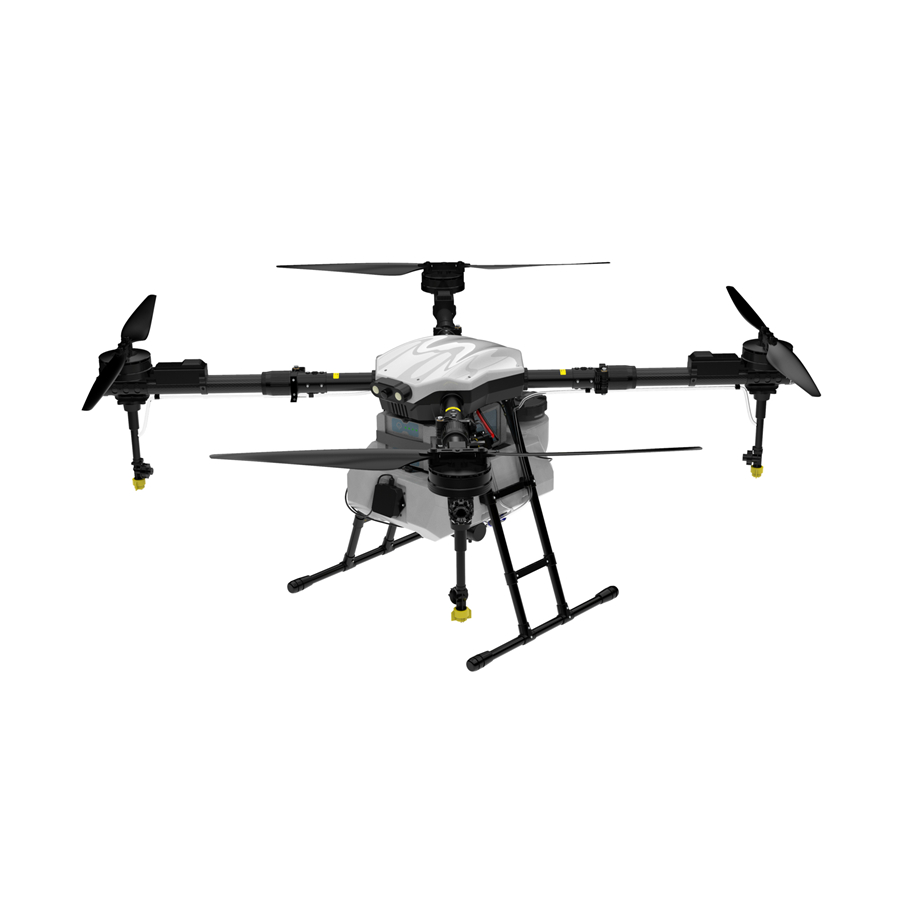 QT-422 Agricultural Drone: 22L Sprayer with Triple Radar Sensing
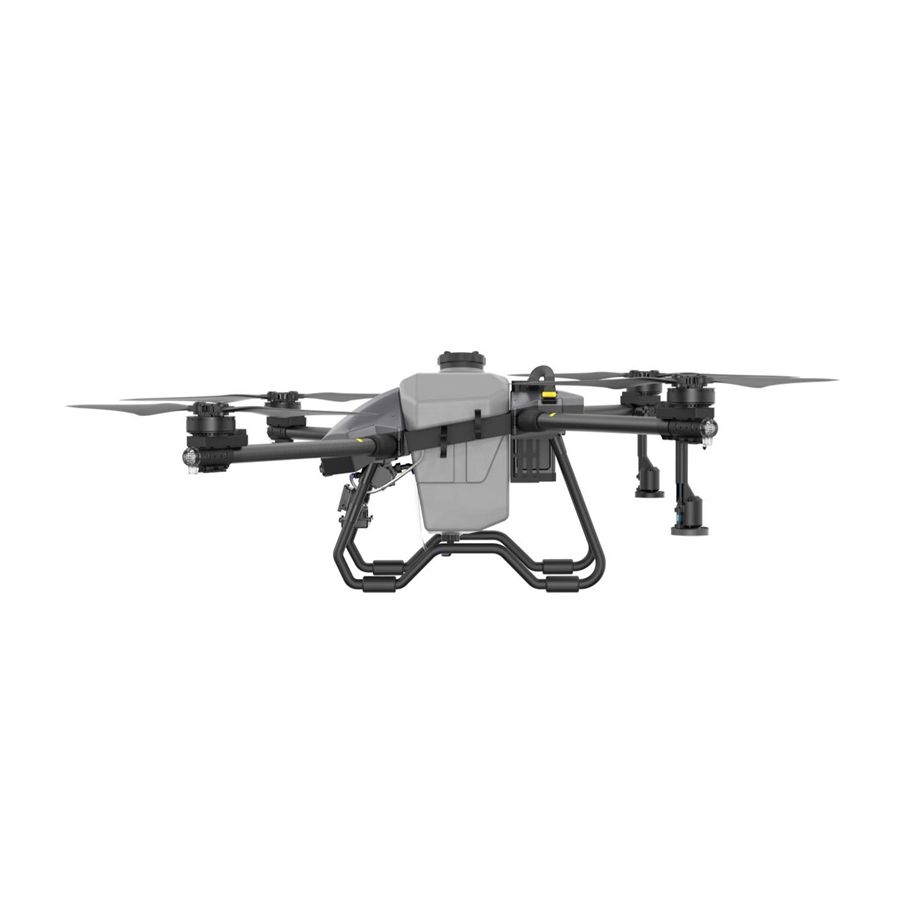 QT-N20 Agricultural Drone: Compact 20L Sprayer with Foldable Design
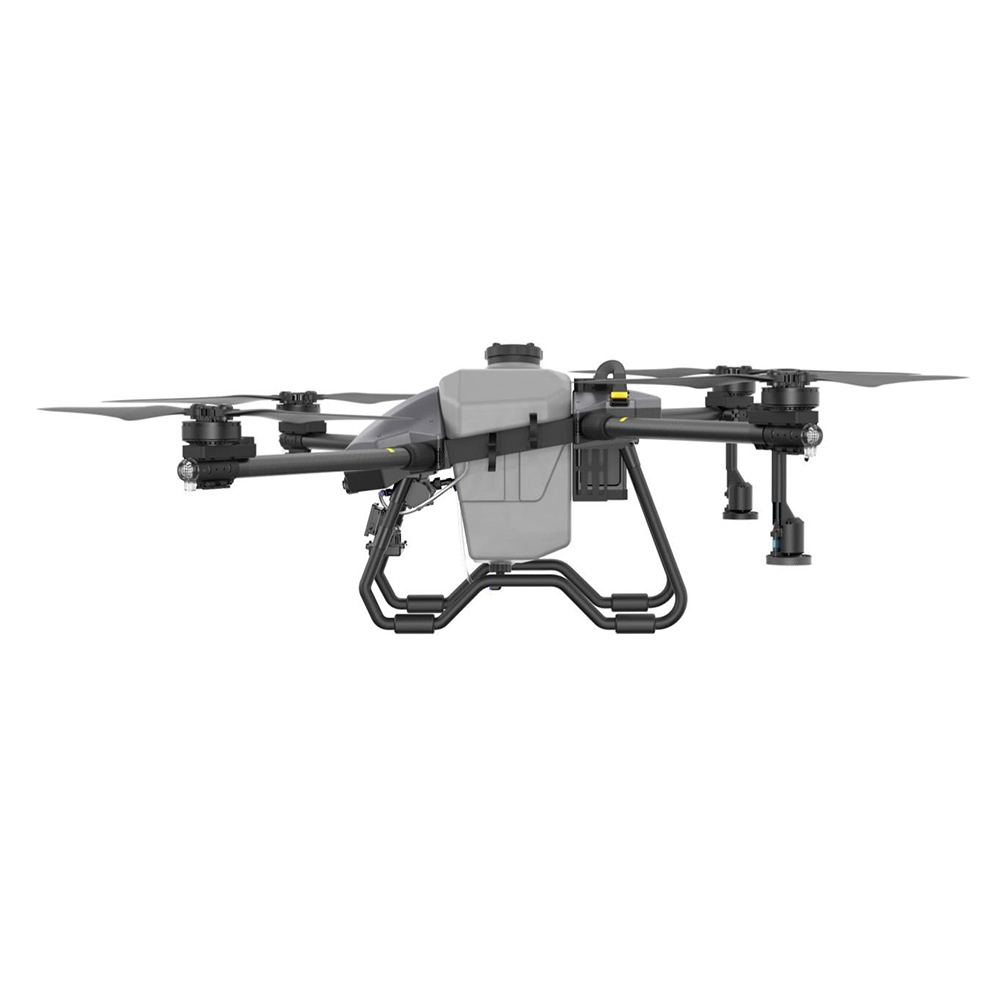 QT-20 Agricultural Drone: 20L Sprayer with Foldable Airframe
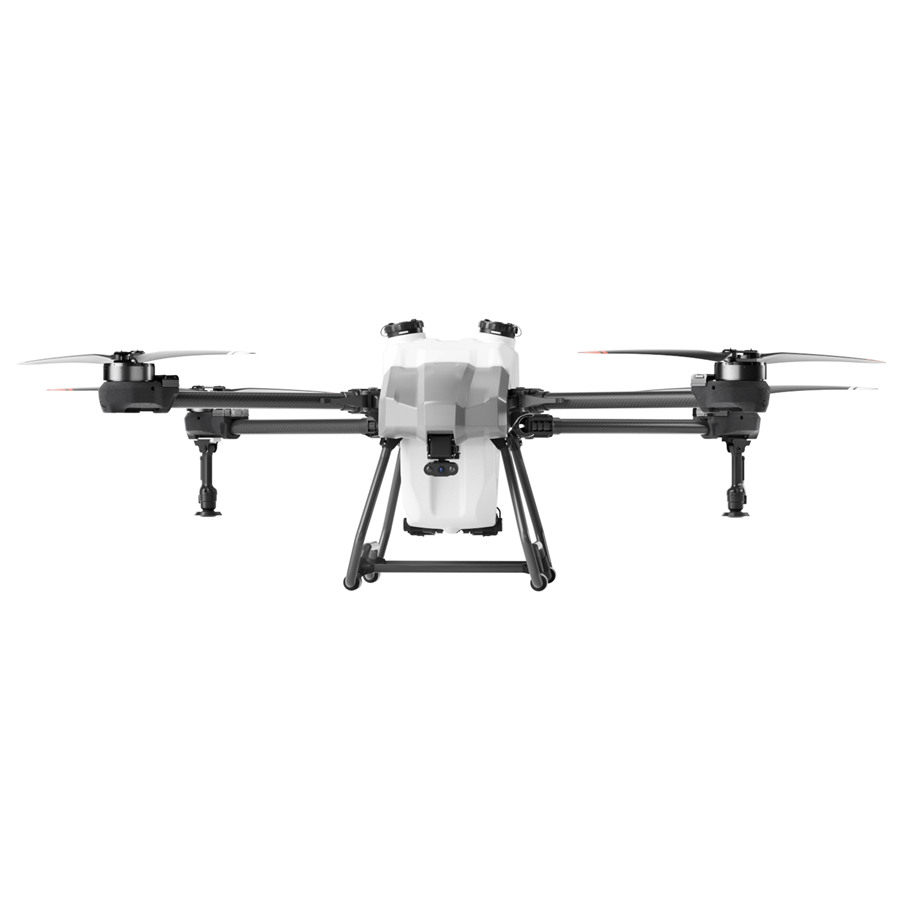 QT-Z50 Agricultural Drone: High-Capacity Spray & Spread
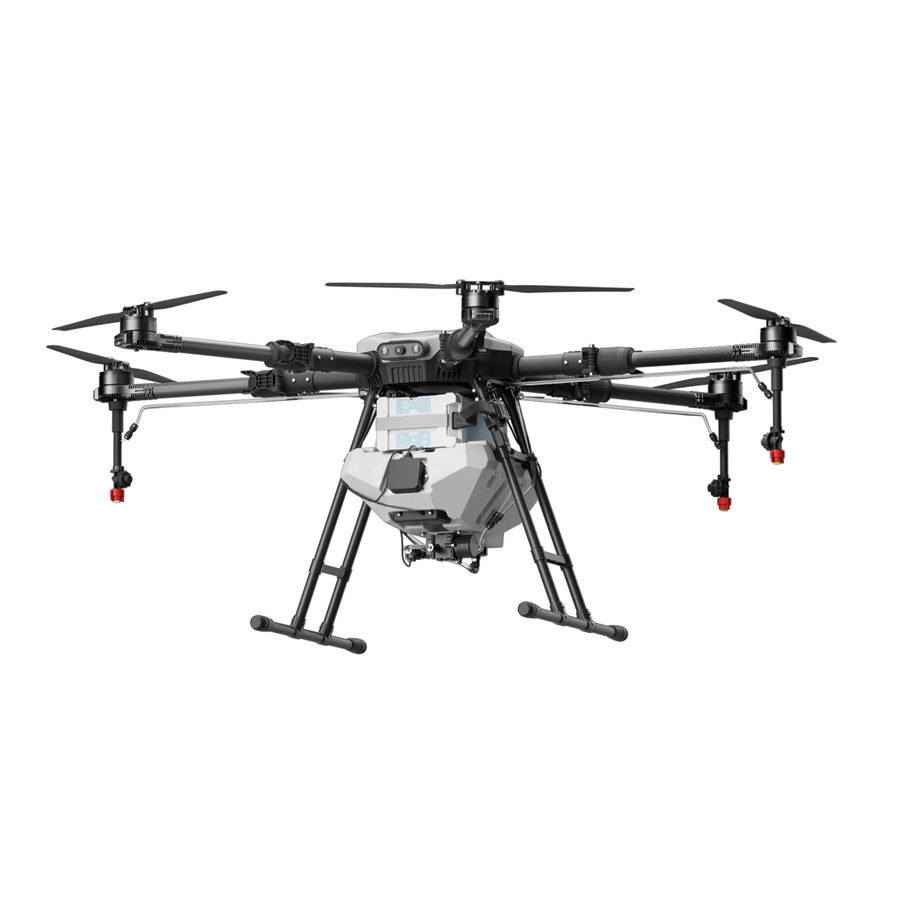 QT-610 Agricultural Drone: 10L Sprayer with Wrap-Around Folding
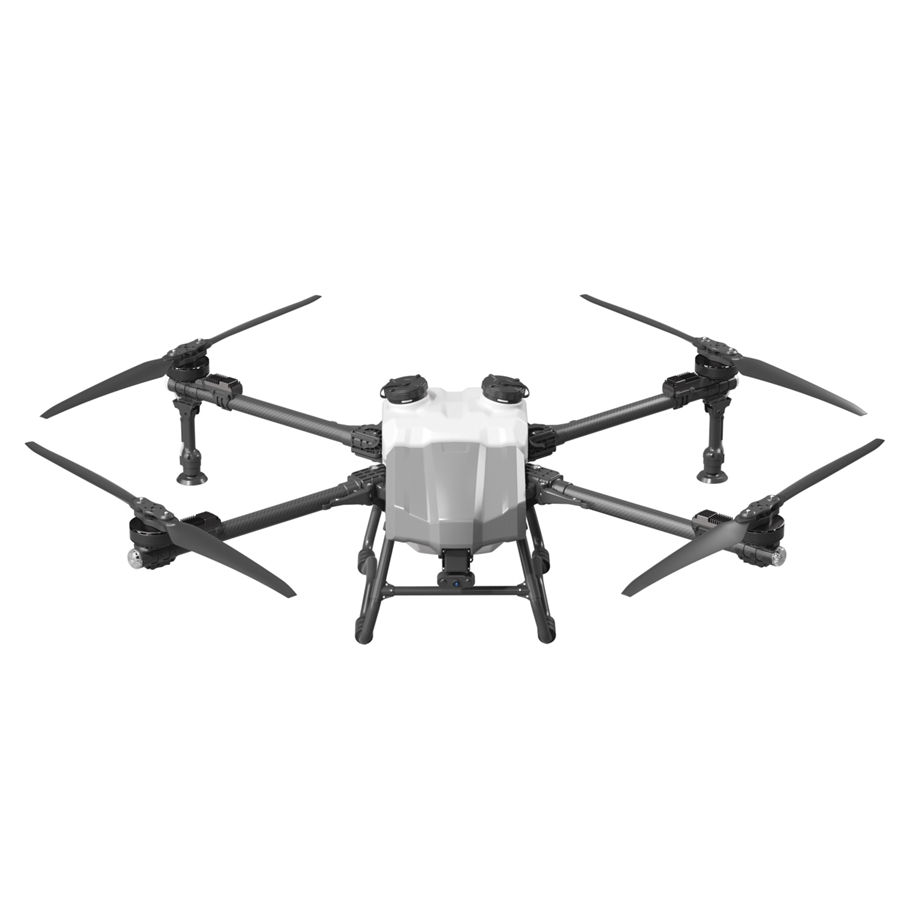 QT-Z30 Agricultural Drone: Smart, Durable, Efficient
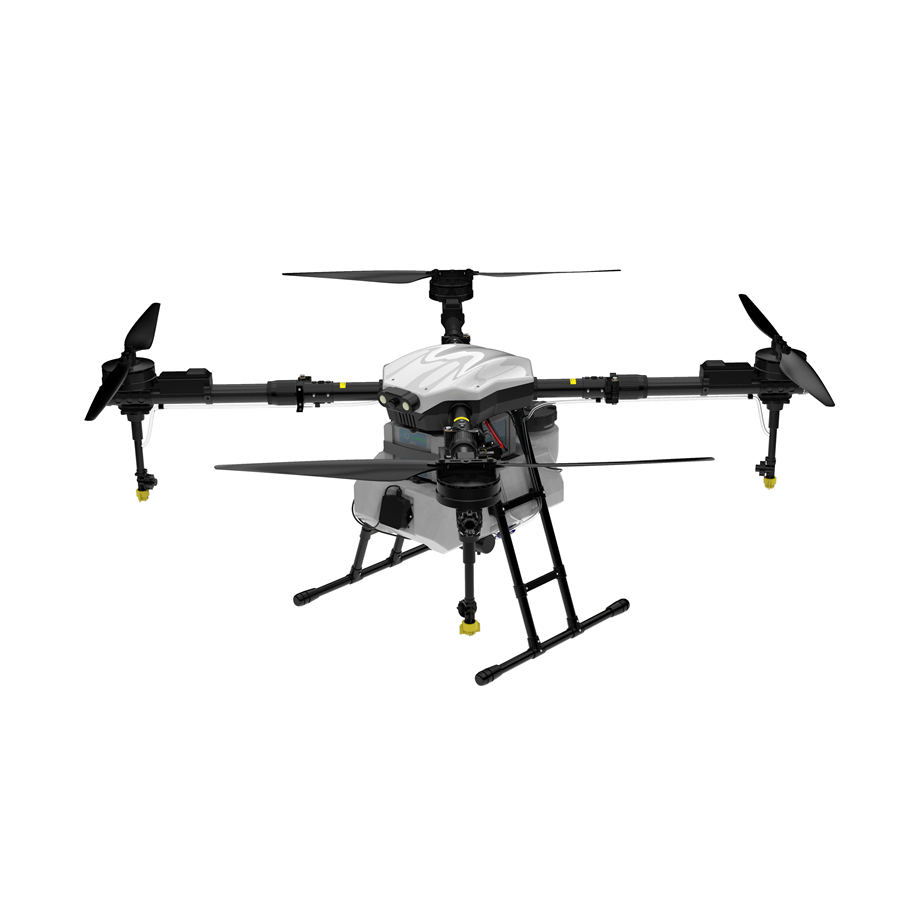 QT-410 Agricultural Drone: 10L Compact Sprayer with Foldable Frame