
Leave Your Message
Our purpose-built heavy-lift UAV platforms deliver unmatched performance in disaster zones — from aerial reconnaissance to payload delivery in the most challenging environments.
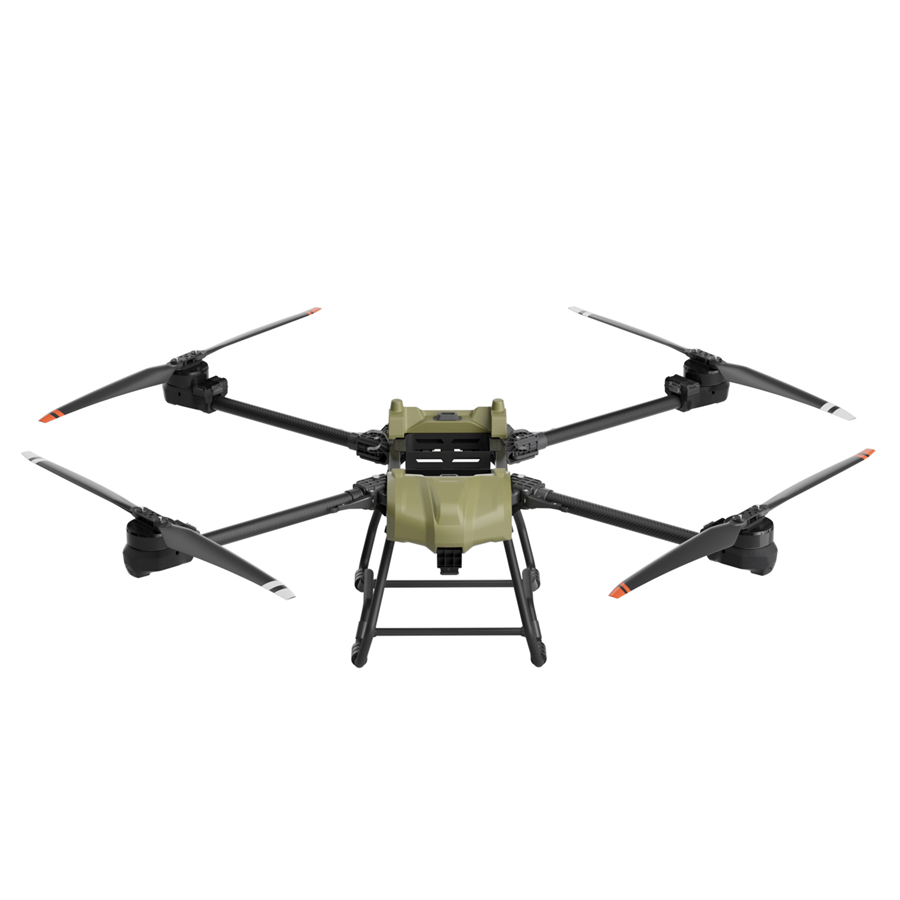
When disaster strikes — whether it's an earthquake leveling city blocks, a flood isolating entire communities, or a wildfire consuming thousands of acres — the first hours are the most critical. Traditional emergency response methods face severe limitations: roads are blocked, infrastructure is destroyed, and human responders risk their lives entering unstable zones. This is precisely where Construction UAVs for Disaster Management have emerged as a transformative force.
Construction-grade UAVs — heavy-lift hexacopters and octocopters originally designed for carrying industrial payloads, surveying large sites, and transporting construction materials — are now being rapidly repurposed and purpose-built for disaster response scenarios. Their ability to operate in GPS-degraded environments, carry substantial payloads over long distances, and deploy within minutes makes them uniquely suited to the chaos of post-disaster operations.
According to global market research, the disaster management UAV market is projected to exceed USD 1.8 billion by 2030, growing at a CAGR of over 15% — driven largely by the adoption of heavy-lift construction-class drone platforms in emergency response frameworks worldwide.
The intersection of construction UAV technology and disaster management has rapidly evolved from experimental use cases into a mature commercial sector. Government agencies, defense contractors, humanitarian organizations, and private construction firms are all investing heavily in UAV fleets capable of responding to natural and man-made disasters.
In markets like the United States, Japan, China, and the European Union, regulatory frameworks for emergency UAV deployment have been progressively relaxed, allowing operators to fly beyond visual line of sight (BVLOS) during declared disaster states. This regulatory shift has unlocked enormous commercial potential, with companies like Anhui DaShu Aviation developing platforms specifically engineered to meet both construction-grade durability standards and emergency-response operational requirements.
Major construction conglomerates are now embedding UAV disaster response protocols into their project risk management frameworks — recognizing that a drone fleet capable of surveying a collapsed structure, delivering emergency supplies, or mapping a flood-affected worksite is not just a safety asset but a business continuity investment.
Beyond basic aerial photography, today's construction-class UAVs are deployed across a spectrum of sophisticated, life-saving disaster management applications.
Heavy-lift construction UAVs equipped with LiDAR and thermal imaging sensors can map collapsed buildings in 3D within hours, identifying structural voids where survivors may be trapped — data that previously took days to collect manually.
When roads are impassable, construction-grade heavy-lift drones deliver medical supplies, food, water, and communication equipment to isolated disaster zones — carrying payloads of 30–50kg over distances exceeding 20km.
Multispectral-equipped UAVs generate real-time flood extent maps, track water flow dynamics, and coordinate rescue boat deployments — dramatically improving the efficiency of flood response operations.
Construction UAVs with thermal cameras provide continuous fire perimeter data to incident commanders, enabling smarter resource deployment and earlier evacuation decisions — reducing both property loss and firefighter casualties.
When cellular infrastructure is destroyed, heavy-lift UAVs can deploy portable communication relay nodes at altitude, restoring connectivity for rescue teams, survivors, and command centers across wide disaster areas.
After a disaster, construction UAVs generate high-resolution orthomosaic maps and volumetric data of damaged sites, enabling engineers to plan debris removal, structural reinforcement, and rebuilding operations with precision.
The technology trajectory for construction UAVs in disaster management is accelerating rapidly, driven by advances in AI, materials science, battery technology, and regulatory evolution. Here are the most significant trends defining the next five years:
Next-generation construction UAVs are integrating onboard AI processors capable of autonomous obstacle avoidance, target identification, and mission replanning in real time — without operator intervention. This is critical in disaster zones where GPS signals may be unreliable and human operators are overwhelmed.
Solid-state battery technology and hydrogen fuel cell hybrid systems are pushing UAV endurance beyond 3–4 hours of continuous operation — a critical threshold for disaster management missions that may require sustained aerial coverage over large geographic areas.
Coordinated UAV swarms — where dozens of construction drones operate in synchronized formations under centralized AI control — are being tested for simultaneous multi-zone disaster assessment, dramatically compressing response timelines from hours to minutes.
Integration with low-earth orbit satellite networks (such as Starlink) is enabling true beyond-visual-line-of-sight operations for construction UAVs in disaster zones, allowing remote piloting and data transmission from anywhere on the planet regardless of local infrastructure damage.
Leading manufacturers are developing rapid-swap modular payload systems — allowing a single UAV airframe to transition between LiDAR mapping, thermal search-and-rescue, cargo delivery, and communication relay roles within minutes, maximizing versatility during multi-phase disaster operations.
Construction UAV data feeds are being integrated directly into digital twin platforms, allowing emergency managers to maintain a continuously updated 3D model of disaster-affected infrastructure — enabling smarter, faster decisions about rescue priorities and reconstruction sequencing.
Not all drones are created equal. The distinction between consumer-grade UAVs and construction-grade industrial platforms becomes critically important in disaster management contexts. Construction UAVs are engineered to tolerances and specifications that consumer drones simply cannot match:
Construction UAVs typically carry 10–50x more payload than consumer drones, operate in wind speeds up to 15 m/s, maintain flight stability in rain and dust conditions, and are built from industrial-grade carbon fiber and aerospace aluminum — making them the only viable choice for serious disaster management operations.
Industrial hexacopter and octocopter platforms — like those developed by Anhui DaShu Aviation — feature redundant motor systems that allow continued safe flight even after a single motor failure, a critical safety feature when operating over disaster zones where crash recovery would be impossible. Their IP-rated sealed electronics withstand rain, dust, and extreme temperatures, ensuring operational reliability in the worst environmental conditions.
Furthermore, construction UAVs are designed for rapid field deployment by trained operators — with folding arm systems, modular battery packs, and standardized payload interfaces that allow a two-person team to have a fully operational drone in the air within five minutes of arriving on scene.
We believe the sky is not a limit — it's the next frontier for everyday mobility.
At Anhui DaShu Aviation, we're on a mission to make aerial services accessible to everyone. Whether it's helping farmers protect their crops more efficiently, delivering heavy cargo to hard-to-reach areas, or reimagining how people and goods move across cities — we're building the aircraft that will take you there.
From safeguarding harvests to moving what matters most, our UAV solutions are built to fit seamlessly into your life and work, no matter the mission.

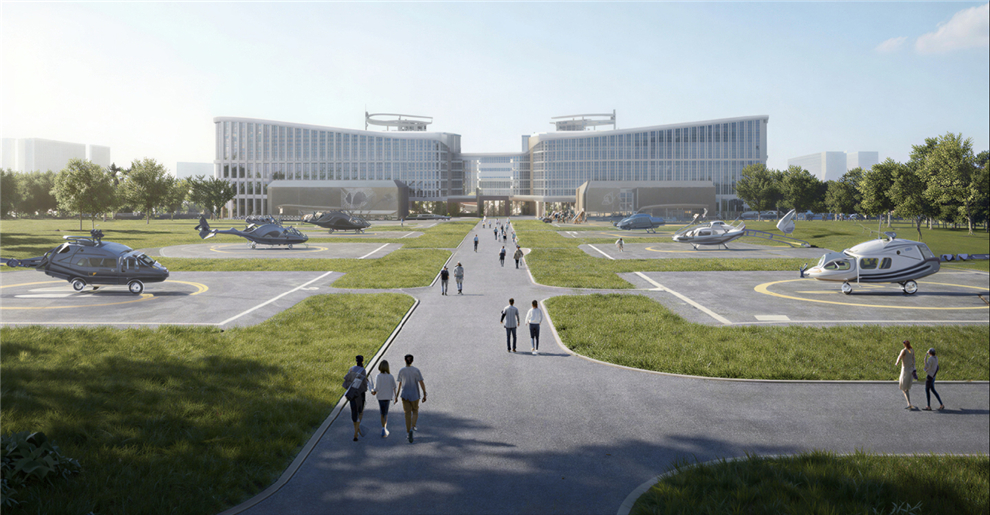
The future of urban air mobility — efficient, emission-free aircraft designed for passenger transport and city logistics, decongesting roads and lowering carbon footprints.

Precision crop protection that saves time, reduces waste, and significantly improves yields with automatic obstacle avoidance and targeted application.

Reliable logistics for last-mile delivery, emergency supply transport, and industrial operations — carrying heavy payloads over challenging terrain with minimal human intervention.
Our R&D and manufacturing center is located in Hefei, China, spanning over 14,800 m² — including an 8,840 m² production workshop and a 2,080 m² office hub. We're proud to be part of the low-altitude economy revolution, working every day to empower smarter, more connected, and more inspiring cities around the world.
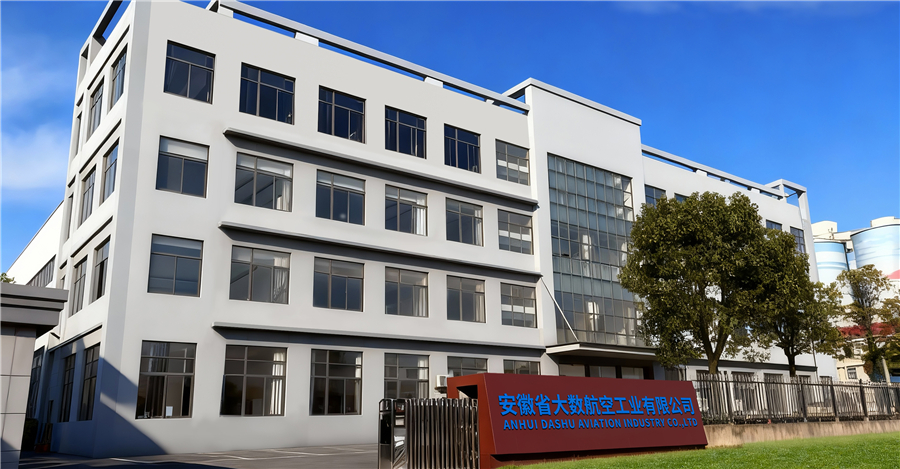
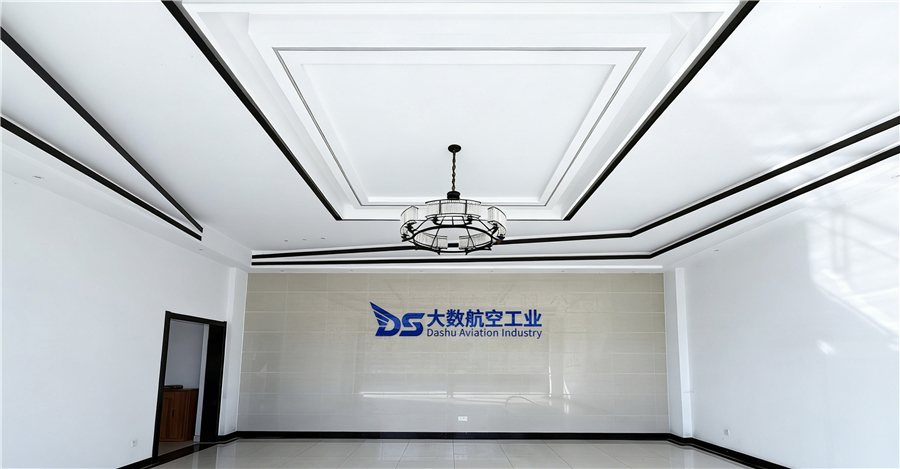

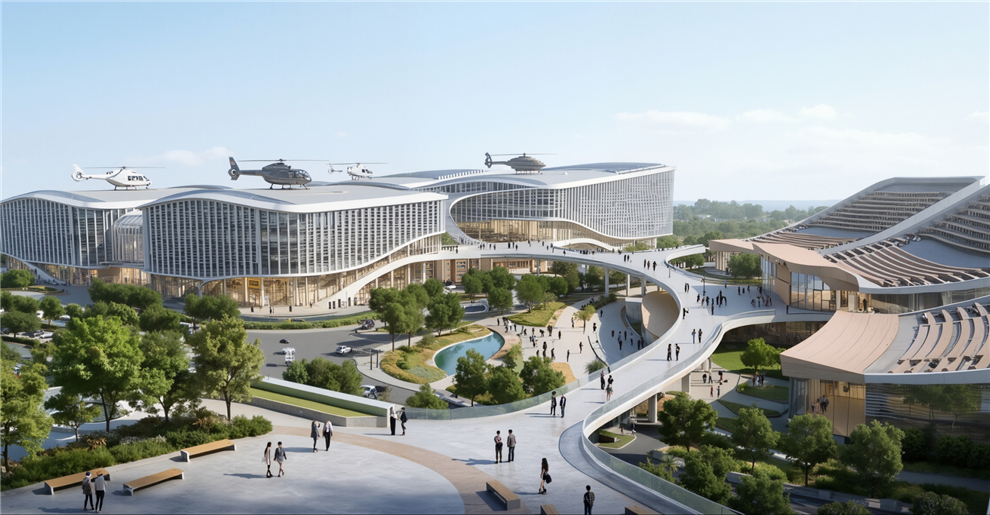

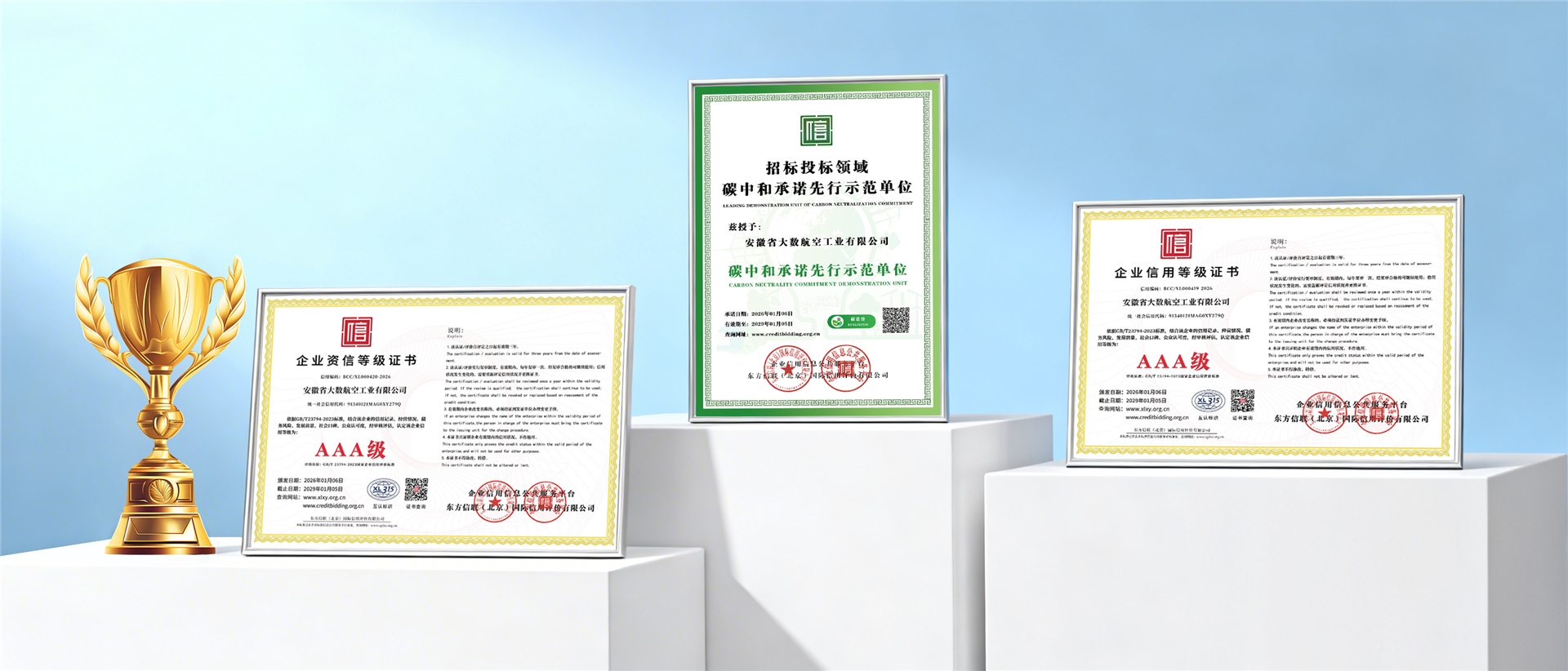
Anhui DaShu Aviation holds industry-leading certifications that validate our commitment to quality, safety, and regulatory compliance across all UAV product lines — including our construction UAV platforms for disaster management applications.
Partner with Anhui DaShu Aviation — leaders in heavy-lift industrial UAV technology for emergency response, disaster assessment, and construction site recovery worldwide.
Explore All Products Contact Our TeamExplore our complete portfolio of industrial-grade UAV systems — each engineered for demanding disaster management, emergency response, and construction recovery operations.