Leave Your Message
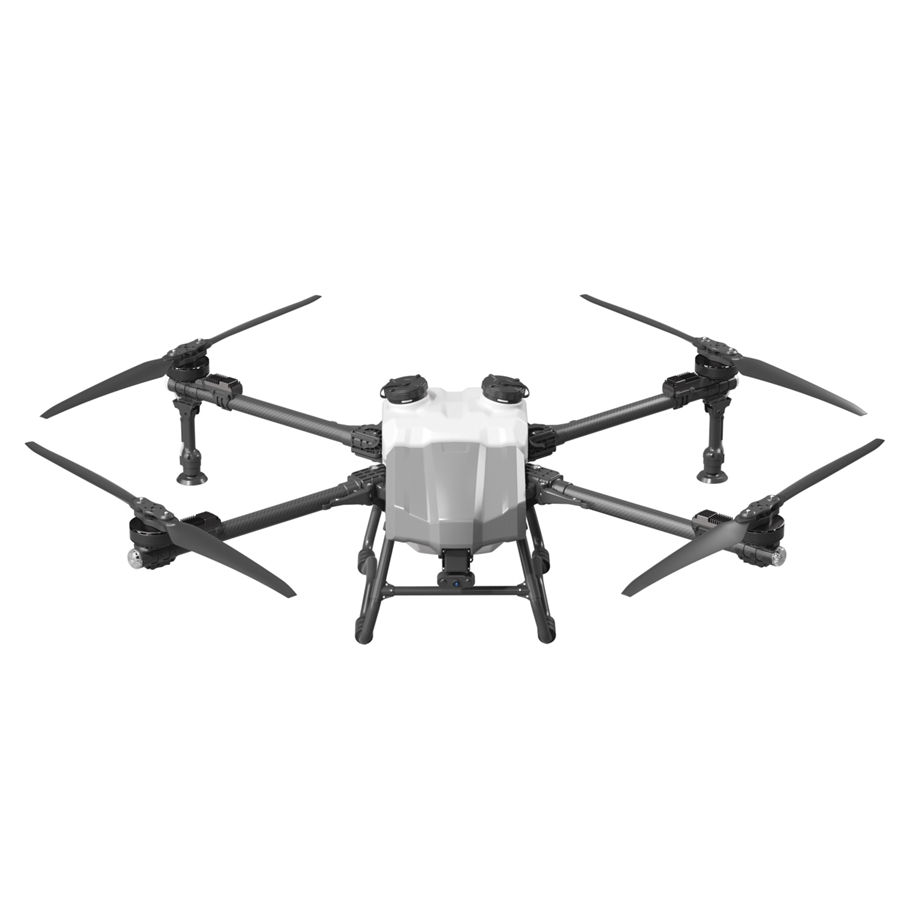
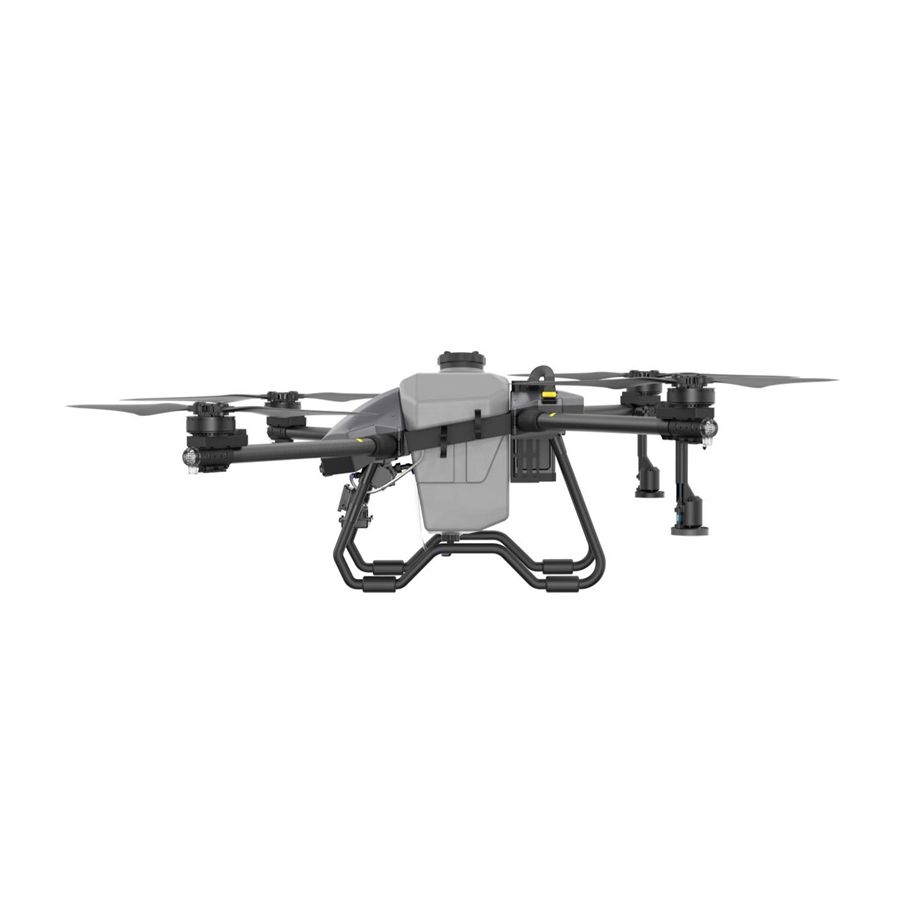
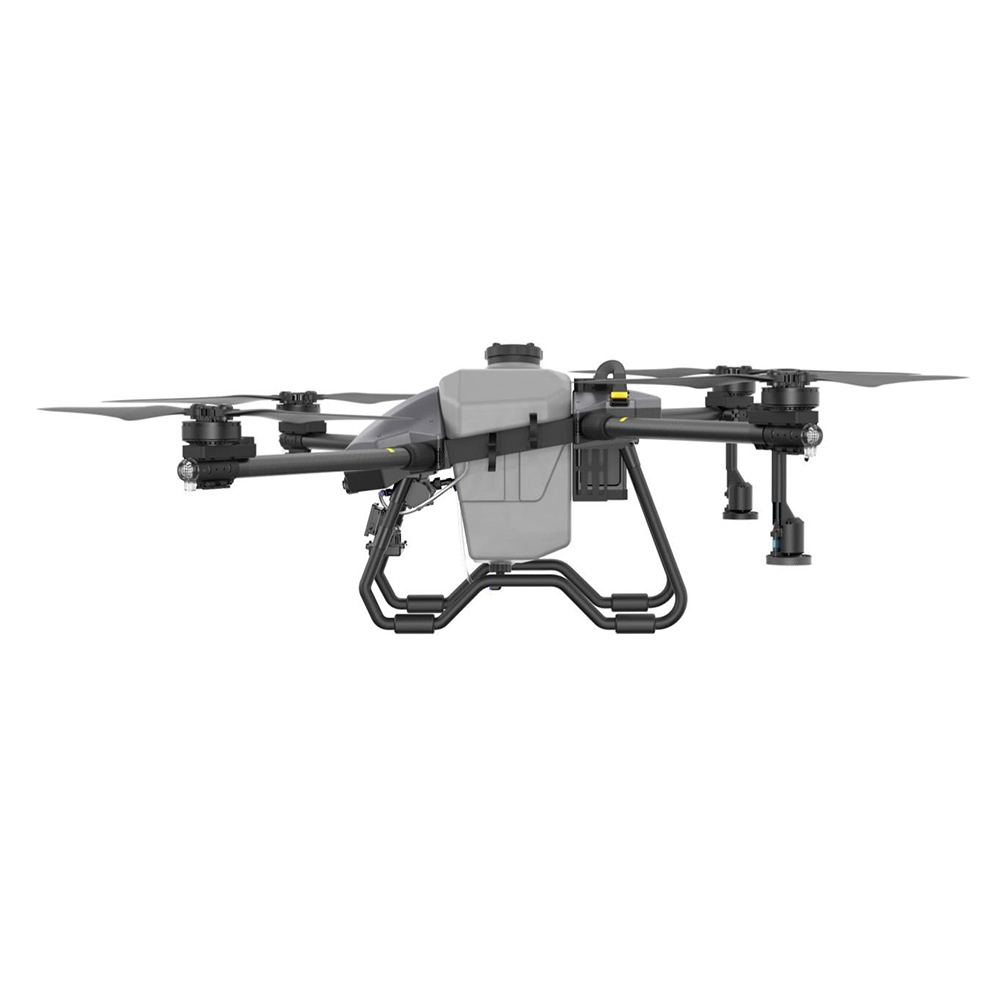
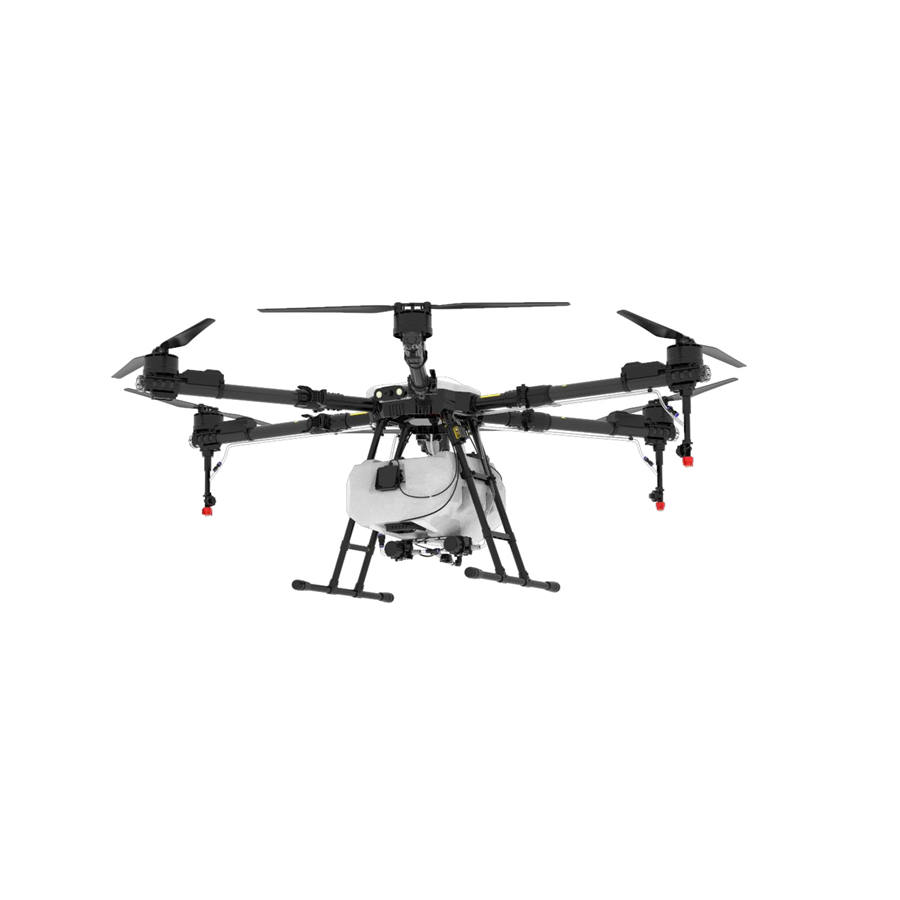
Compact mobility meets laboratory-grade field repeatability. These four specialized foldable airframes enable agronomists to conduct rapid genotype screening, micro-plot biochemical trials, and autonomous plot mapping in remote breeding stations.
Modern agronomy research operates under an unprecedented mandate: accelerating genetic gain, optimizing plant nutrient use efficiency, and safeguarding staple crops against escalating climate volatility. For decades, agricultural scientists and breeding institutions were restricted by manual field phenotyping—an exhaustive, labor-intensive bottleneck that restricted sampling frequencies and introduced high human observational bias. Ground-based tractors and specialized plot sprayers, while useful, frequently cause severe soil compaction and physical mechanical damage to delicate trial micro-plots. Against this backdrop, the foldable drone for agronomy research has emerged as the definitive industrial tool bridging field robotics, remote sensing, and precision botanical science.
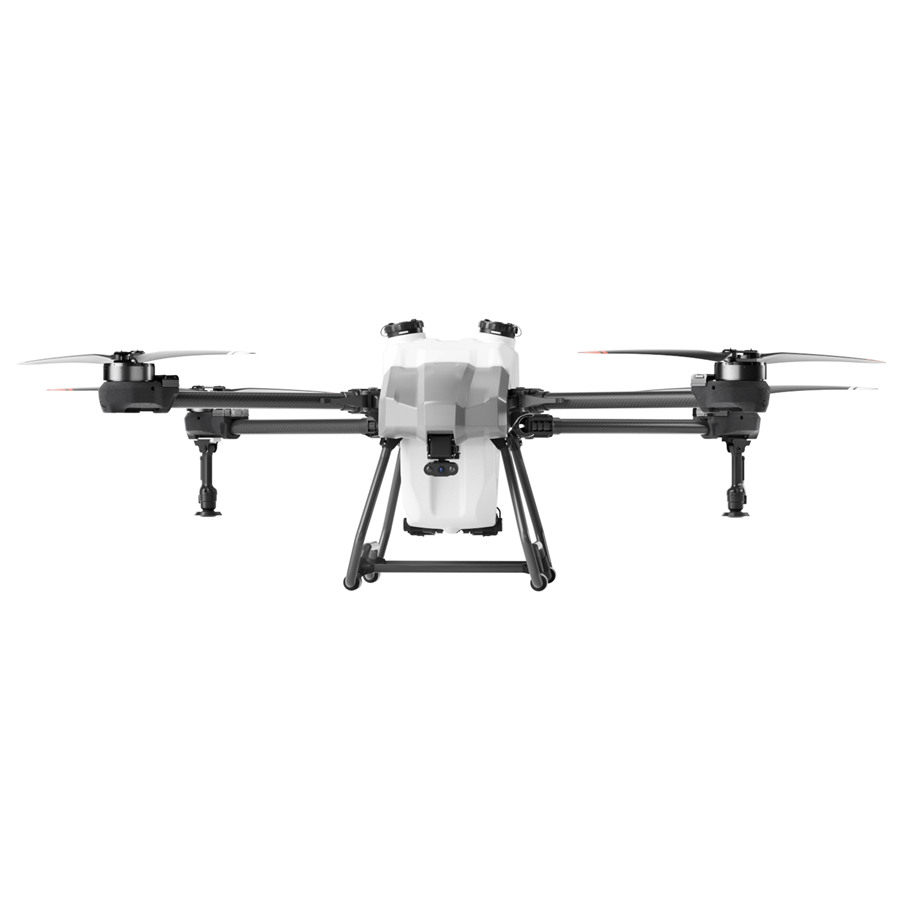
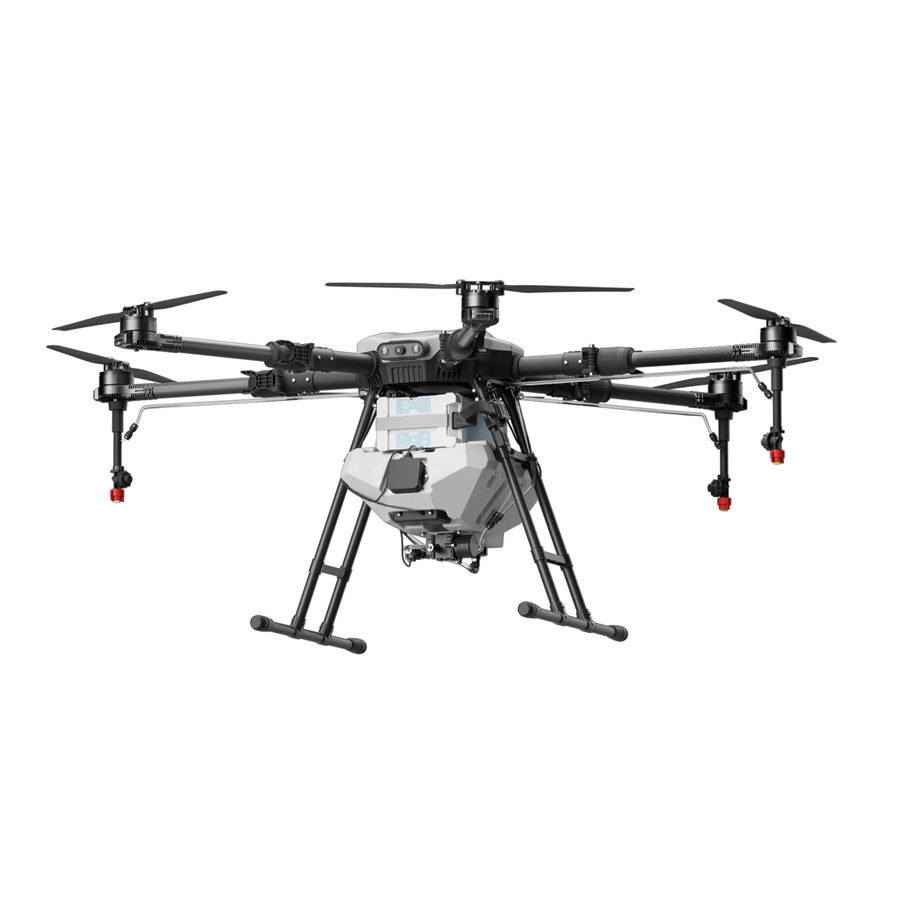
The transition toward foldable unmanned aerial systems (UAS) is driven by genuine operational realties in commercial and academic agricultural research. Research plots are rarely concentrated around easily accessible paved zones; crop breeding trials, variety test centers, and abiotic stress experimental plots are deliberately dispersed across undulating slopes, arid drylands, saline marshes, and remote ecological transition zones. Transporting bulky, rigid-frame industrial aircraft in conventional research pickup trucks or small field utility vehicles is logistically unsustainable. A foldable drone engineered with high-strength carbon-fiber folding arm joints, wrap-around rotor geometries, and modular payload mechanisms allows a two-person scientific crew to pack multi-hectare phenotyping and variable-rate treatment systems into standard field transport, deploy within five minutes, and collect radiometric data across thousands of experimental varieties in a single diurnal cycle.
The global precision agriculture and agronomy phenomics sector is undergoing an exponential shift from passive observation to proactive, closed-loop aerial intervention. Several pivotal technological trends are currently redefining how academic institutions, agrochemical corporations, and seed development firms deploy foldable UAV platforms:
1. Multi-Sensor Sensor Fusion and Hyperspectral Edge Computing: Traditional RGB aerial imagery is no longer adequate for deep agronomic analytics. Today's foldable research drones are built to carry synchronized payload pods combining calibrated multi-spectral cameras (RedEdge, NIR, Thermal IR) and miniature LiDAR units. With onboard edge computing hardware, these platforms do not simply log raw imagery; they execute real-time radiometric calibration, generating on-the-fly vegetation indices such as Normalized Difference Vegetation Index (NDVI), Normalized Difference Red Edge (NDRE), and Chlorophyll Index (CI). This permits instant detection of early onset fungal pathogens, nitrogen deficiencies, and stomatal conductance changes hours before visual symptoms manifest to human agronomists.
2. Downwash Aerodynamics for Deep Canopy Penetration: Unlike standard quadcopters optimized strictly for aerial photography, foldable agricultural aircraft feature high-torque low-RPM brushless propulsion systems that generate powerful downward aerodynamic vortexes. In plant pathology and agronomy spray trials, this downwash is vital: it actively deflects the crop canopy, inverting leaf structures and ensuring that atomized bio-stimulants, micronutrients, or systemic fungicides thoroughly coat both the adaxial and abaxial surfaces. Research on high-density row crops—such as maize, soybean, sorghum, and cotton—demonstrates up to a 42% improvement in lower-canopy chemical deposition compared to ground booms.
3. Autonomous Prescription-Based Micro-Plot Application: Agronomic field trials demand surgical accuracy. Modern foldable drones leverage prescription maps derived from high-resolution phenotyping flights to execute localized variable-rate application (VRA). In herbicide efficacy evaluations or targeted nitrogen stress remediation, the aircraft regulates centrifugal atomization disc speeds and independent solenoid pulse-width modulation (PWM) valves, delivering precise micro-doses to designated 2x2 meter experimental plots without overspraying onto neighboring control cultivars.
To appreciate why foldable drones have become essential instruments in modern agricultural faculties and biotechnology labs, one must examine their concrete scientific deployment scenarios:
In selective breeding programs, thousands of prospective crop varieties are planted in randomized block designs. Measuring canopy height, leaf area index (LAI), fractional green vegetation cover (FGVC), and stay-green traits manually requires teams of technicians walking the field for days. Equipped with RTK-enabled photogrammetry sensors, a foldable drone flies automated low-altitude grids (15–30 meters AGL), producing sub-centimeter digital surface models (DSM) and orthomosaics. Automated digital algorithms extract height profiles and volumetric biomass metrics across 10,000 plots in less than two hours, providing plant breeders with longitudinal phenotypic growth curves that correlate precisely with genomic sequencing datasets.
Crop water stress index (CWSI) is a fundamental metric for evaluating drought-resistant varieties. When plants encounter water scarcity, stomatal closure reduces transpiration, precipitating an immediate rise in canopy temperature. By flying calibrated thermal long-wave infrared (LWIR) sensors at solar noon, foldable agronomy drones map minute temperature variations across distinct breeding lines. The rapid mobility of the foldable platform ensures that environmental variables—such as shifting cloud cover or fluctuating ambient wind speed—do not confound the comparative thermal data gathered across diverse plots.
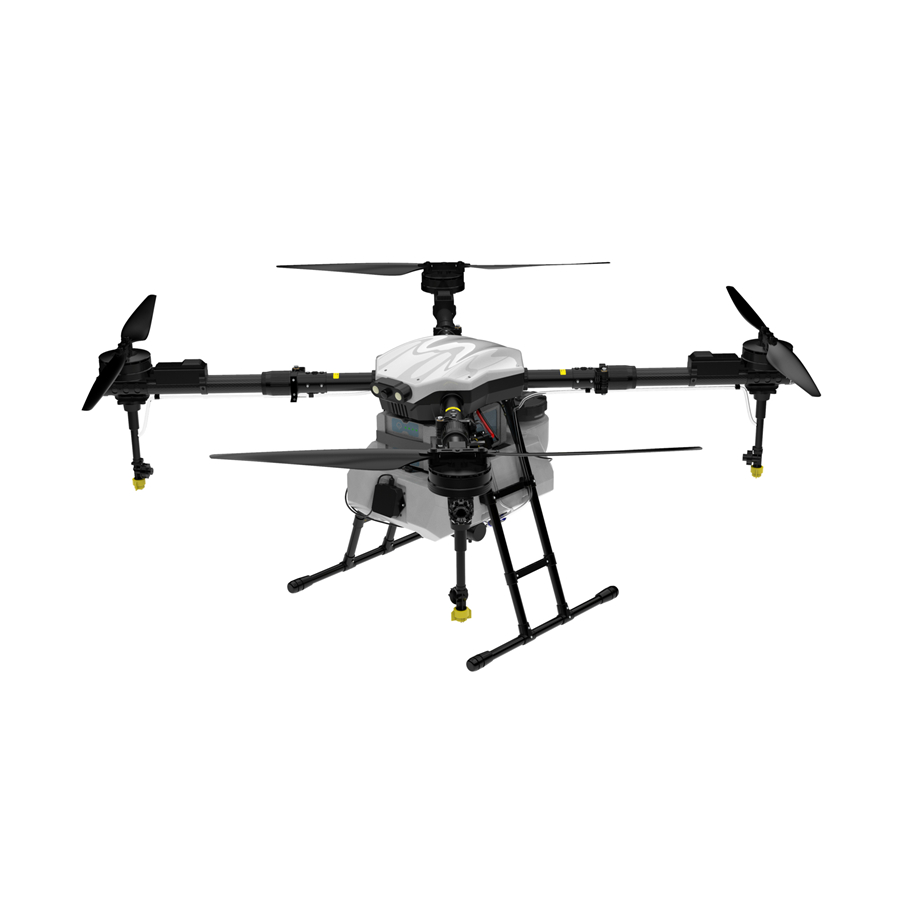
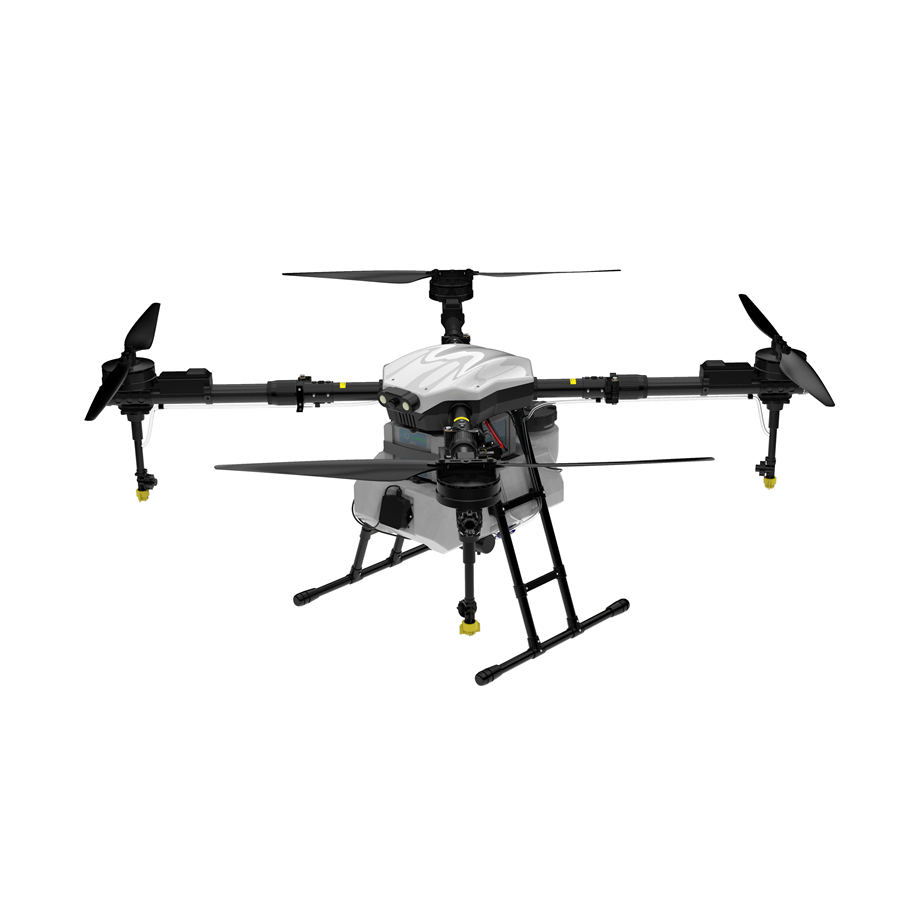
Developing novel biopesticides, micro-encapsulated formulations, or pheromone disruptors requires micro-volume spray trials under natural atmospheric conditions. Rigid agricultural tractors crush micro-plot borders and scatter dust that skews test results. With foldable spraying drones, such as the QT-410 or QT-N20, agronomists can easily transport the unit between distinct test plots. Precision flow meters and radar-based terrain following ensure that exact droplet spectra (80 to 250 microns) are deposited onto targeted foliage, providing pure statistical correlations between application dosage and pest knockdown rates.
Pre-planting soil variability often introduces severe experimental noise into fertilizer response trials. Utilizing multi-spectral sensors mounted on lightweight foldable airframes, agronomists can survey bare fields to map soil color variations, moisture retention profiles, and residual organic matter before sowing. Post-germination, continuous multi-temporal spectral tracking pinpoints nitrogen uptake dynamics, enabling scientists to compute exact nitrogen-use efficiency (NUE) indices across experimental genetic lines.
The operational credibility of a foldable drone for research hinges on mechanical integrity. Early folding designs suffered from torsional arm flexing, which introduced high-frequency vibrations into optical gimbal payloads and caused drift in sensor calibration matrices. Modern engineering—as exhibited across the Anhui DaShu Aviation fleet—utilizes aerospace-grade carbon fiber tubes, integrated CNC aluminum locking collars, and wrap-around arm configurations that securely nest against the chassis during transport.
When unfolded and locked, the structure exhibits rigid structural dynamics equivalent to fixed-arm airframes, capable of sustaining stability in crosswinds up to 12 m/s. This mechanical stability is crucial for agronomic sensor platforms: it prevents image motion blur during high-speed low-altitude flight and guarantees that centrifugal atomizers maintain uniform spray pattern swaths across the research zone.
We design and manufacture new-energy aircraft for real people and real-world needs. From safeguarding harvests to moving what matters most, our UAV solutions are built to fit seamlessly into your life and work, no matter the mission.


We believe the sky is not a limit — it's the next frontier for everyday mobility.
At Anhui DaShu Aviation, we're on a mission to make aerial services accessible to everyone. Whether it's helping farmers protect their crops more efficiently, delivering heavy cargo to hard-to-reach areas, or reimagining how people and goods move across cities — we're building the aircraft that will take you there.
Our Vision: A smarter, safer, and more reliable ecosystem for intelligent three-dimensional mobility.
Our Promise: Simpler technology, safer flights, and more dependable experiences — because the future of flight shouldn't be complicated or out of reach.
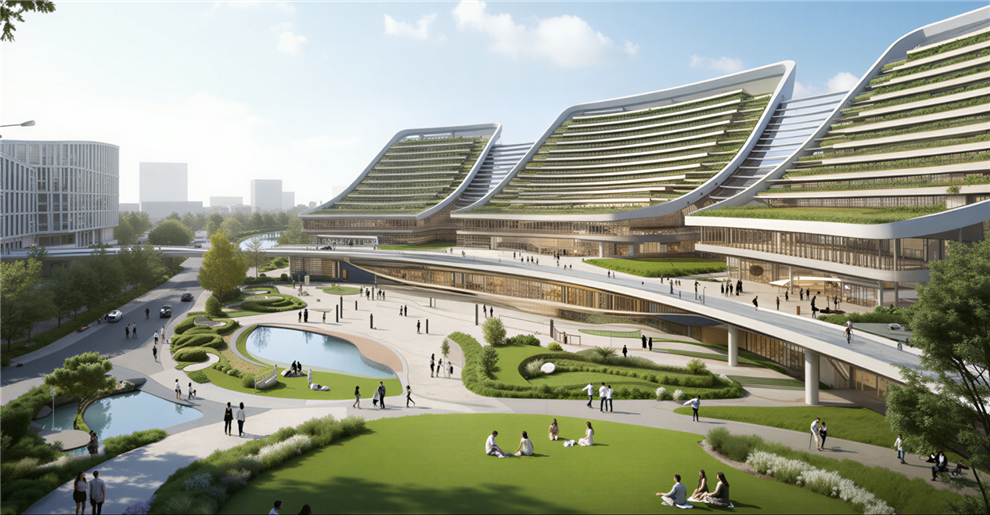
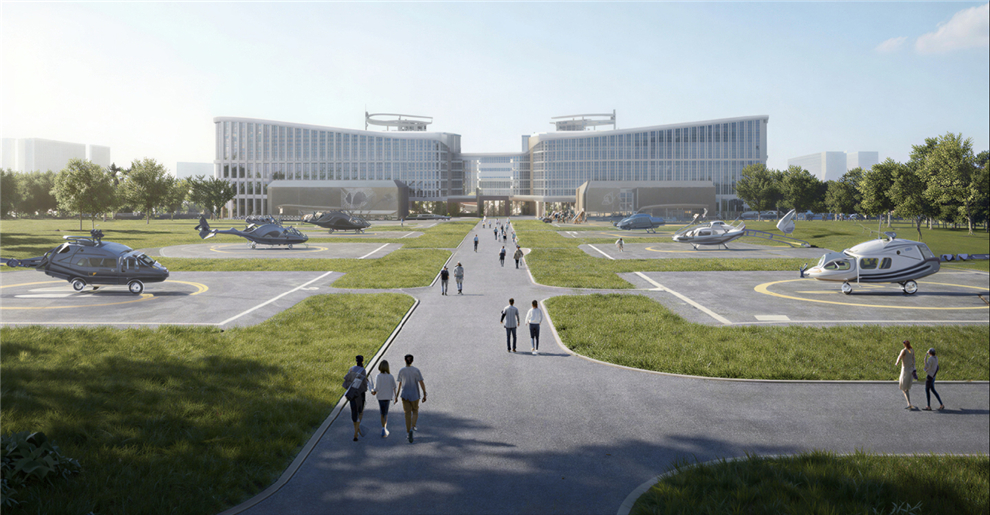
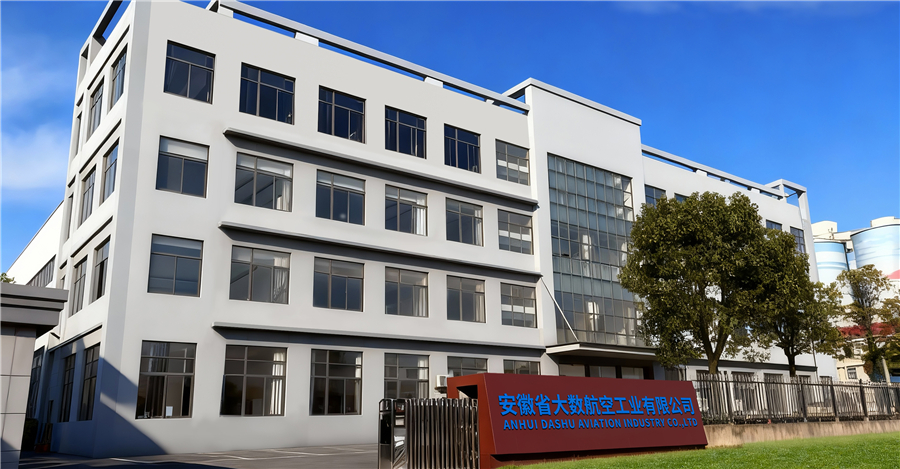
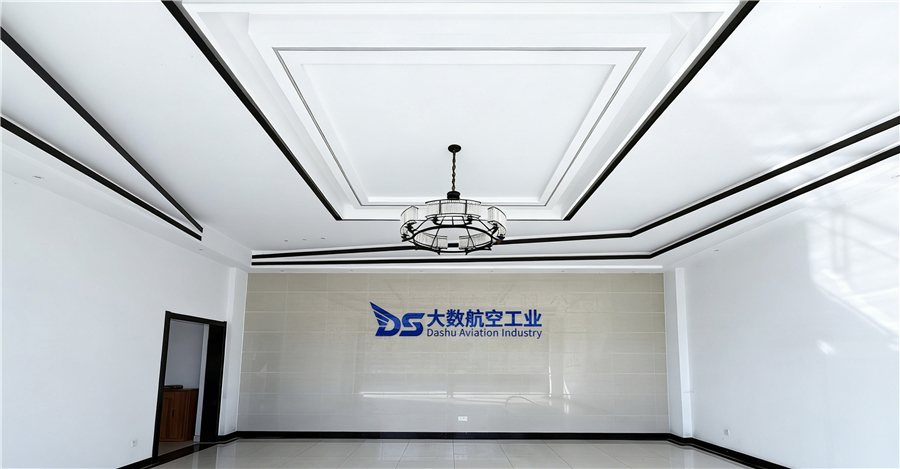
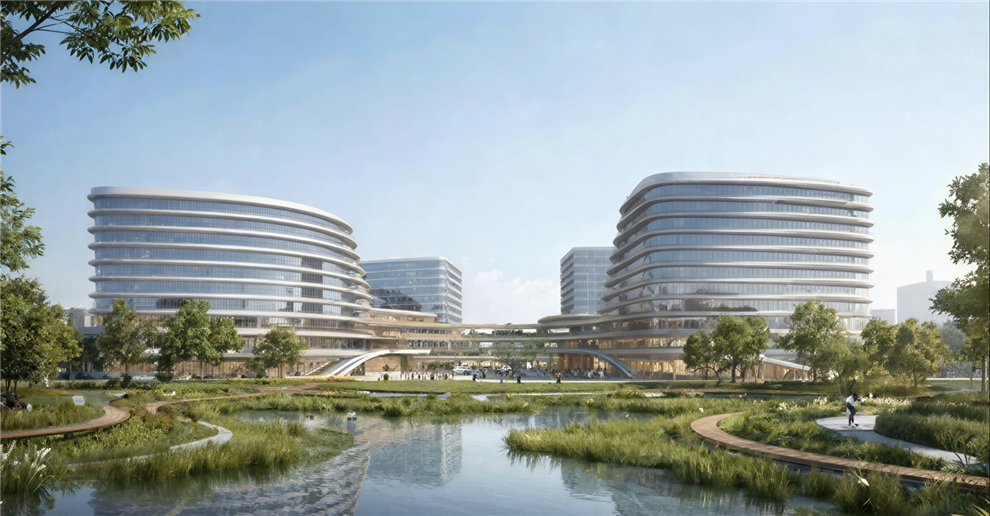
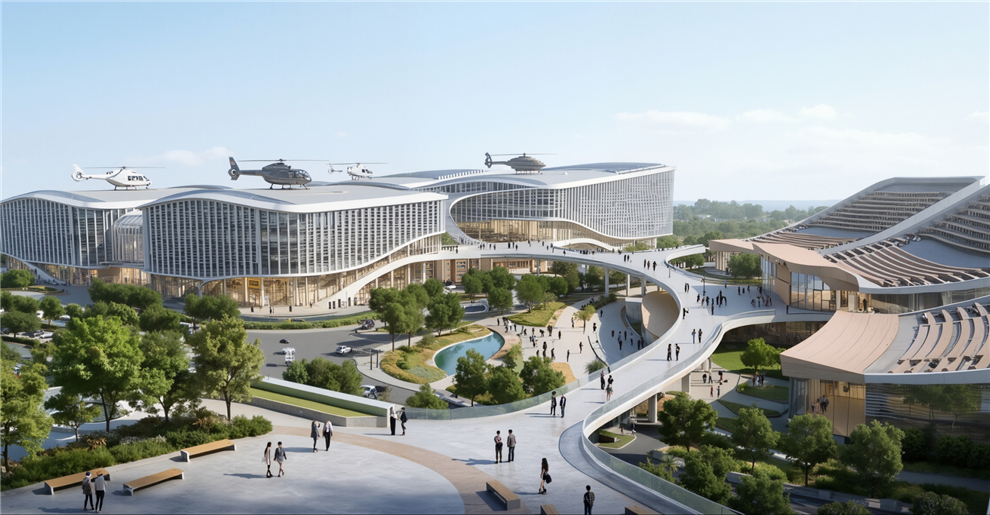
Our R&D and manufacturing center is located in Hefei, China, spanning over 14,800 m² — including an 8,840 m² production workshop and a 2,080 m² office hub. We're proud to be part of the low-altitude economy revolution, working every day to empower smarter, more connected, and more inspiring cities and agriculture around the world.
Certified by authoritative aviation and agricultural equipment compliance standards, ensuring strict industrial reliability for scientific and commercial flight operations.

Explore our full line-up of foldable agricultural sprayers, multi-sensor carriers, and high-capacity platforms engineered for agronomy researchers, commercial growers, and service contractors worldwide.