Leave Your Message
Precision-engineered industrial UAVs designed for large-scale seeding, planting, and aerial agronomy applications.
Industrial drones for seeding and planting have rapidly emerged as one of the most transformative technologies in modern agriculture. What was once the domain of tractors and manual labor is now being redefined by intelligent autonomous aerial systems capable of covering hundreds of acres per day with millimeter-level accuracy.
Global demand for food production continues to surge alongside population growth, while arable land per capita shrinks. Industrial UAVs bridge this gap — delivering seeds, fertilizers, and biological agents directly to the soil with precision and consistency impossible to replicate manually.
From paddy rice fields in Southeast Asia to vast wheat plains in Central Asia, commercial drone seeding is no longer a pilot program — it is standard operational practice for forward-thinking agribusinesses.
Understanding where drone seeding stands today — and where the investment is flowing.
China, Japan, and South Korea lead global drone seeding adoption. China alone has deployed over 100,000 agricultural UAVs with government subsidies actively incentivizing farmers to switch from ground machinery to aerial systems. Rice paddy seeding via drone has become the norm across southern China.
Regulatory frameworks like FAA Part 107 in the US and EASA UAS regulations in Europe are progressively enabling commercial drone seeding. Major agribusiness firms including John Deere, AGCO, and Syngenta are actively investing in UAV seeding R&D and strategic partnerships with drone manufacturers.
Governments worldwide are classifying agricultural drones under "smart farming" and "precision agriculture" incentives. Subsidies, tax breaks, and public-private partnerships are dramatically lowering barriers to adoption for both large agribusinesses and smallholder farmers in developing economies.
Next-generation seeding drones are integrating real-time AI crop analysis, multi-spectral imaging, and machine learning to adaptively vary seeding density based on soil health data. Fleet management platforms allow a single operator to oversee multiple autonomous drones working in coordinated patterns.
Advances in lithium battery energy density and fast-charging infrastructure are extending drone flight times from 15 to over 45 minutes per charge, enabling continuous large-area operations. Hydrogen fuel cell prototypes promise all-day operational windows for the most demanding commercial applications.
Drone seeding dramatically reduces soil compaction compared to heavy ground machinery, preserving long-term soil health. Zero direct emissions, reduced chemical runoff from precision application, and lower water consumption are compelling ESG metrics that are pushing institutional agricultural investors toward UAV-forward farming models.
Industrial seeding drones are deployed across a diverse and expanding range of agricultural and environmental contexts.
Direct seeding of rice, wheat, and barley via drone eliminates the need for manual transplanting or tractor passes. Pre-germinated seed pods are loaded into the drone's hopper and dispersed at calibrated rates matching GPS-mapped field zones, achieving germination uniformity exceeding 95% across large parcels.
Among the most impactful environmental applications: drone-based aerial reforestation. A single seeding UAV can plant up to 40,000 seed pods per day across terrain completely inaccessible to humans — from steep mountainsides to post-wildfire zones. Organizations in Australia, Canada, and China are using drone seeding to restore millions of hectares annually.
Traditional machinery simply cannot access terraced hillside farms or remote highland plateaus. Industrial seeding drones with multi-rotor stability systems and terrain-following flight modes can operate on slopes exceeding 45 degrees, enabling productive use of previously unworkable agricultural land in mountainous regions of Asia, South America, and Africa.
Flooded paddy fields represent a critical operational environment where drones excel over all alternatives. Without any need to drain the field, drones broadcast pre-soaked rice seeds with precision timing and spacing across water-covered surfaces — a task that would require extensive manual wading or specialized amphibious machinery.
Cover crop programs that protect soil during off-seasons are being scaled through drone seeding at a fraction of traditional cost. Drones can broadcast multiple seed varieties simultaneously into standing cash crops — a technique called overseeding — establishing the cover crop canopy before the main crop is harvested, maximizing field utilization time.
Beyond commodity crops, industrial seeding drones are finding application in precision horticulture — dispersing seeds for herbs, floriculture, vineyard ground cover, and organic vegetable plots with row-level accuracy. Variable-rate seeding algorithms adjust seed drop density in real time based on pre-loaded field prescription maps generated from satellite NDVI data.
The seeding drone industry is evolving rapidly. Here are the defining trends driving the next decade of growth.
Future seeding operations will routinely deploy fleets of 10–50 drones operating in coordinated autonomous swarms, dividing field zones intelligently without GPS overlap conflicts. Swarm algorithms reduce total seeding time for 1,000-acre fields from days to hours.
Advanced seeding drones now accommodate bio-coated seeds — seeds pre-treated with fungicide, rhizobacteria, or hydrogel encapsulation — dispersed alongside targeted micro-doses of fertilizer in a single drone pass. This "seed + nutrient + biology" approach is transforming one-step establishment efficiency.
Pre-flight, drones upload AI-generated digital twin models of each field, incorporating elevation maps, soil moisture sensors, and historical yield data. The drone's flight computer dynamically adjusts seeding rates across micro-zones — ensuring optimal plant populations in every corner of the field.
5G connectivity enables seeding drones to stream live telemetry and camera data to cloud platforms during operation, where AI models instantly analyze seeding distribution patterns and alert operators to coverage gaps or mechanical issues — driving near-zero rework rates.
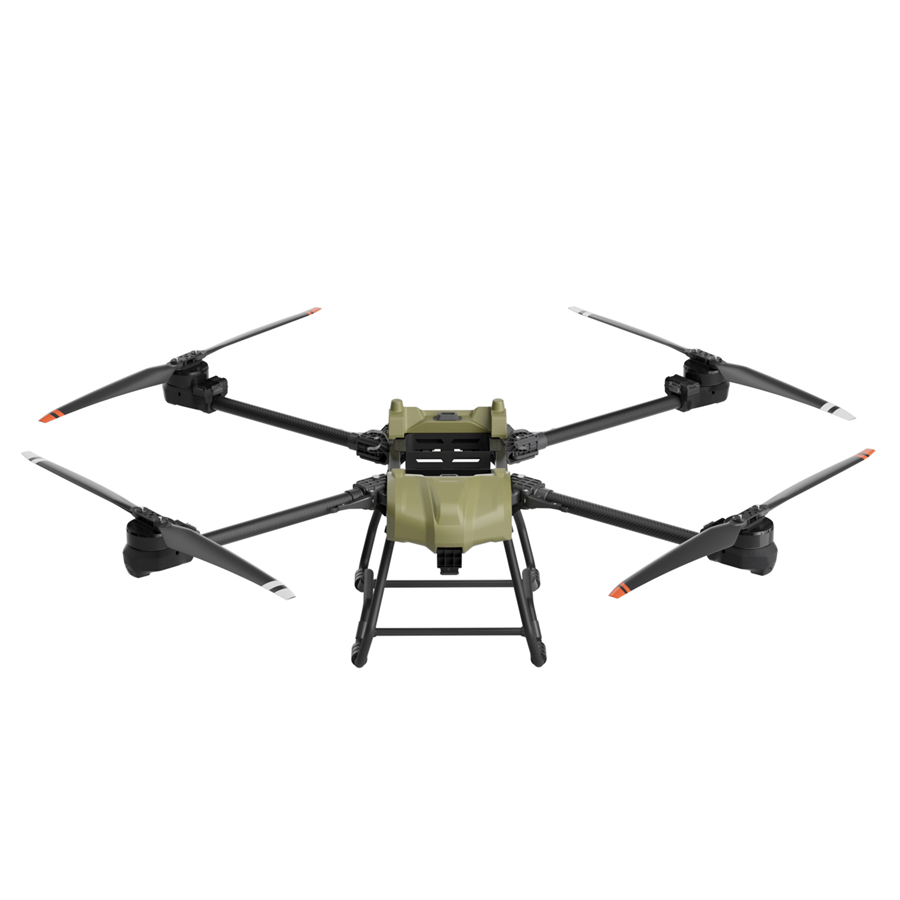
Heavy-lift hexacopter and octocopter airframes — like the QT-D50 — are raising payloads from 5 kg to 50 kg and beyond. Larger hoppers reduce refill stops, increasing operational efficiency dramatically for commercial seeding contractors managing thousands of acres under short seasonal windows.
Rather than purchasing equipment outright, many farmers now access drone seeding through subscription or per-acre DaaS contracts. This model lowers entry barriers for smallholders while enabling service providers to build profitable, scalable operations across multiple farm clients with shared drone assets.
From safeguarding harvests to moving what matters most, our UAV solutions are built to fit seamlessly into your life and work, no matter the mission.

The future of urban air mobility. Efficient, and completely emission-free, our eVTOL aircraft are designed for passenger transport and city logistics. They can decongest crowded roads, reduce travel times, and lower carbon footprints — making daily commutes faster and cleaner for everyone.

Precision crop protection and seeding that saves time, reduces waste, and significantly improves yields. Our drones navigate complex farmland with ease, automatically avoiding obstacles while applying fertilizers, pesticides, and seeds exactly where needed. This keeps farmers safe, lowers operational costs, and supports sustainable farming practices.

Reliable logistics solutions for last-mile delivery, emergency supply transport, and industrial operations. Whether it's delivering medical supplies to remote villages, transporting construction materials to mountain sites, or supporting disaster relief efforts, our drones carry heavy payloads over challenging terrain with minimal human intervention.
Company Profile
We believe the sky is not a limit — it's the next frontier for everyday mobility.
At Anhui DaShu Aviation, we're on a mission to make aerial services accessible to everyone.
Whether it's helping farmers protect their crops more efficiently, delivering heavy cargo to hard-to-reach areas, or reimagining how people and goods move across cities — we're building the aircraft that will take you there.
A smarter, safer, and more reliable ecosystem for intelligent three-dimensional mobility.
Simpler technology, safer flights, and more dependable experiences — because the future of flight shouldn't be complicated or out of reach.
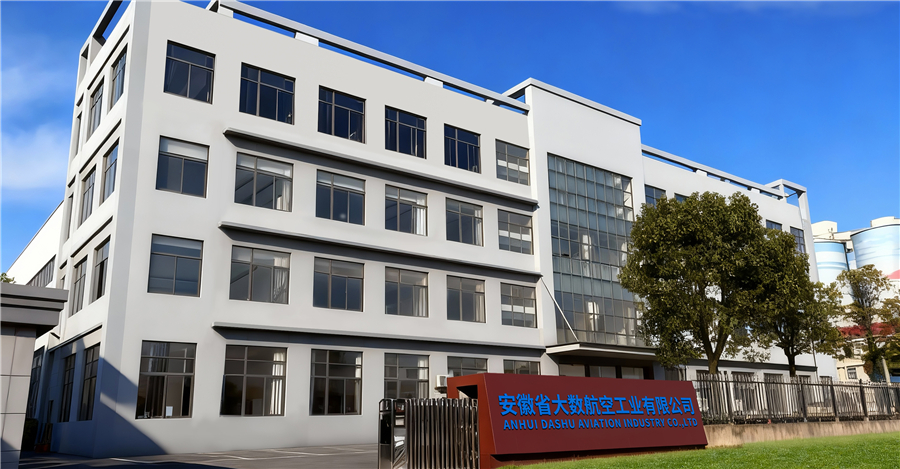
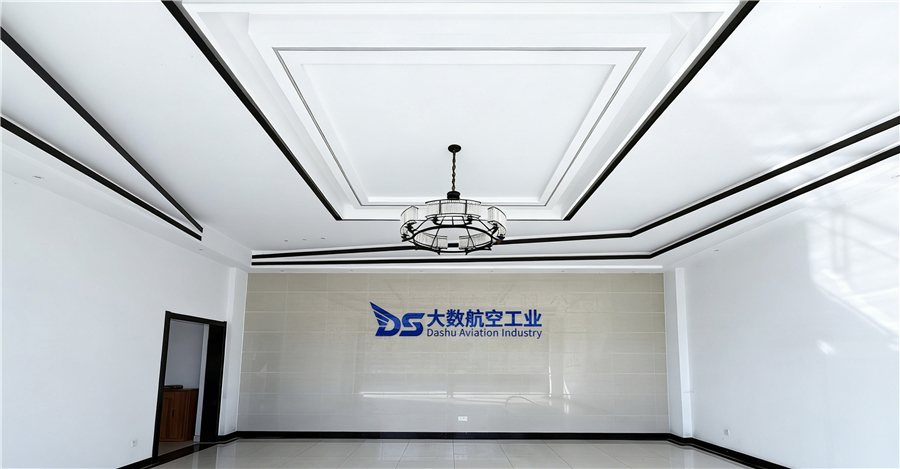
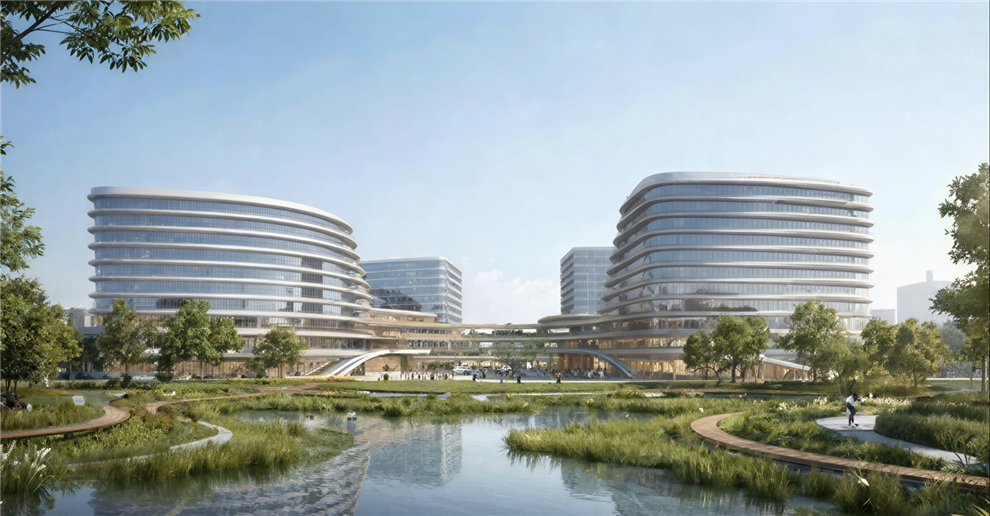
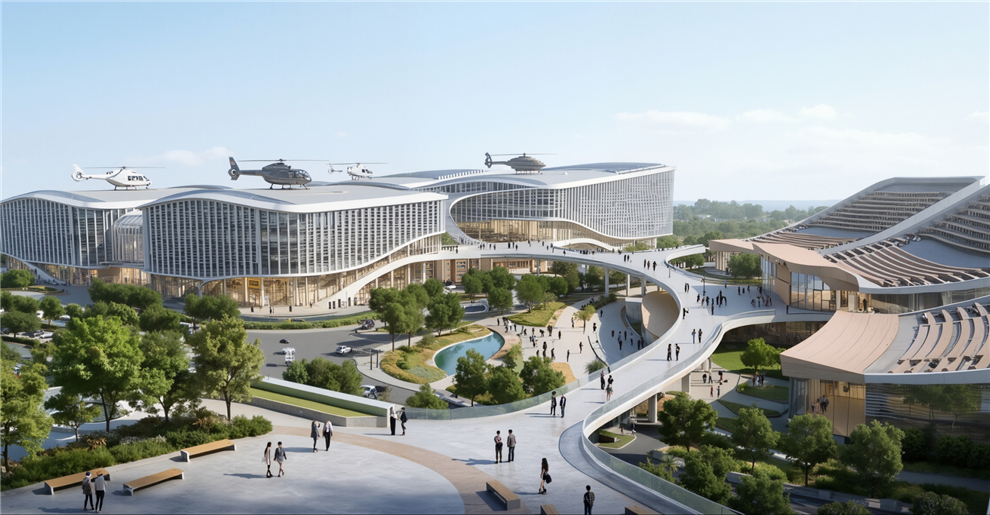
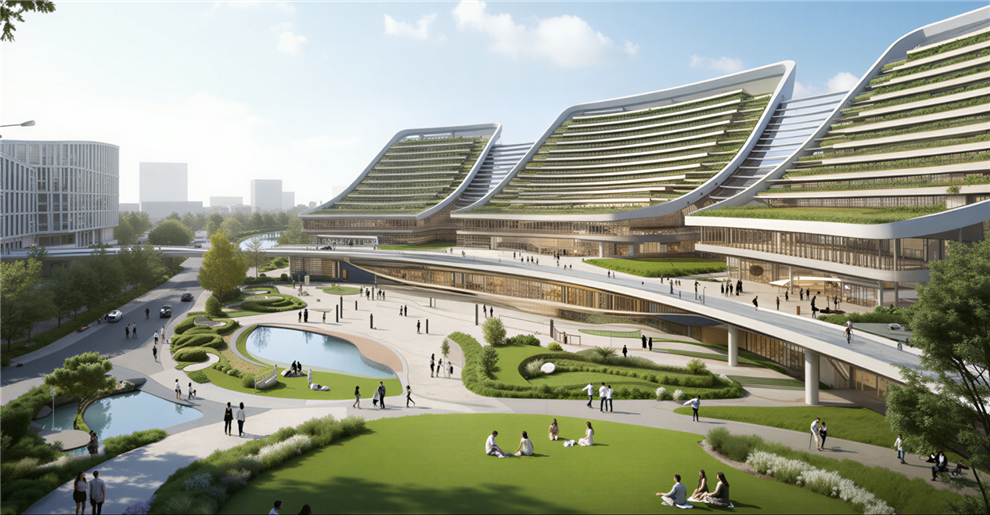
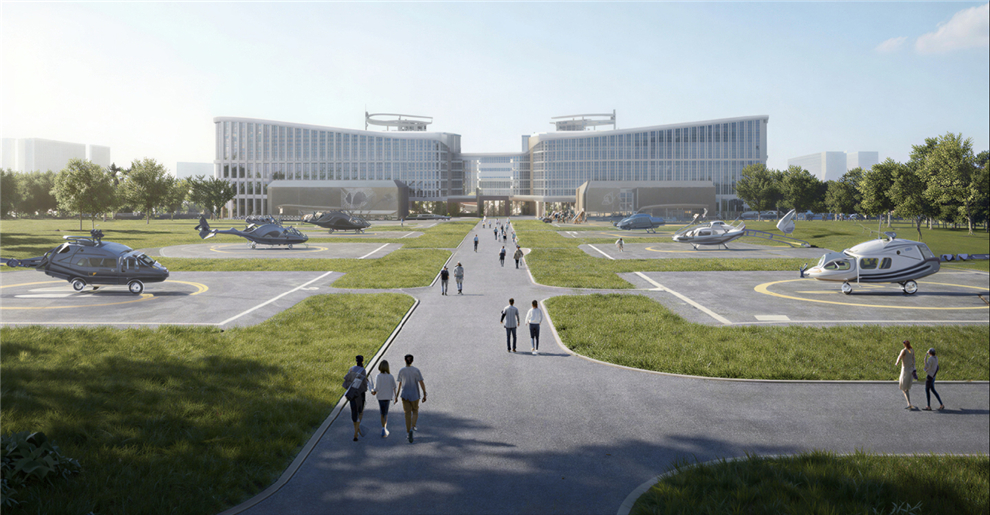
Our R&D and manufacturing center is located in Hefei, China, spanning over 14,800 m² — including an 8,840 m² production workshop and a 2,080 m² office hub.
We're proud to be part of the low-altitude economy revolution, working every day to empower smarter, more connected, and more inspiring cities around the world.
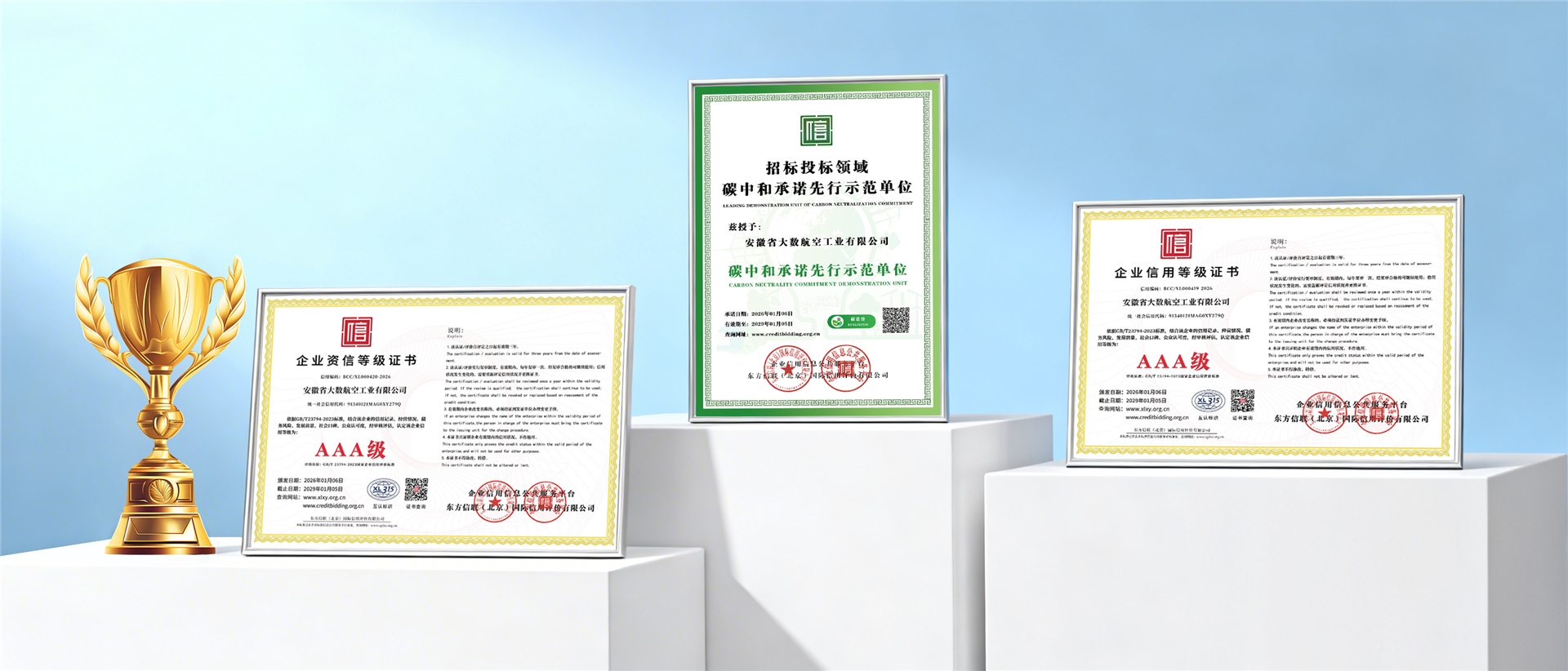
Explore our full portfolio of professional UAV systems engineered for every seeding, planting, and precision agriculture scenario.