Leave Your Message
Precision-engineered UAVs purpose-built for Australian farms, remote logistics and wide-area operations.
A smarter, safer, and more reliable ecosystem for intelligent three-dimensional mobility.
Simpler technology, safer flights, and more dependable experiences — because the future of flight shouldn't be complicated or out of reach.
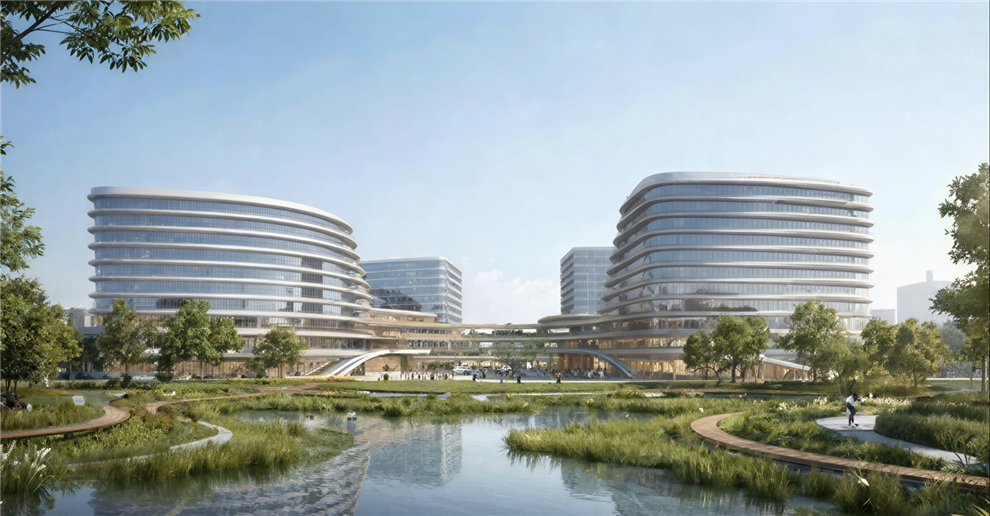
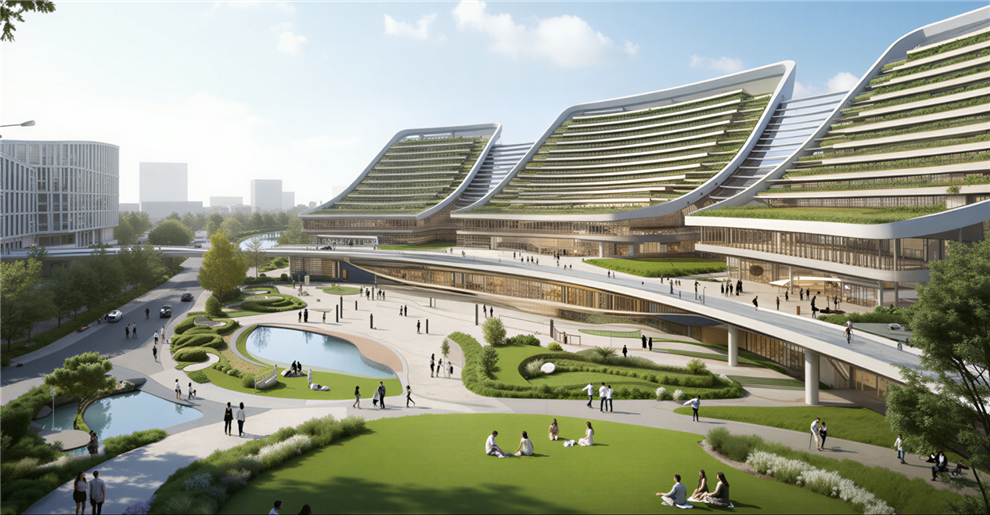
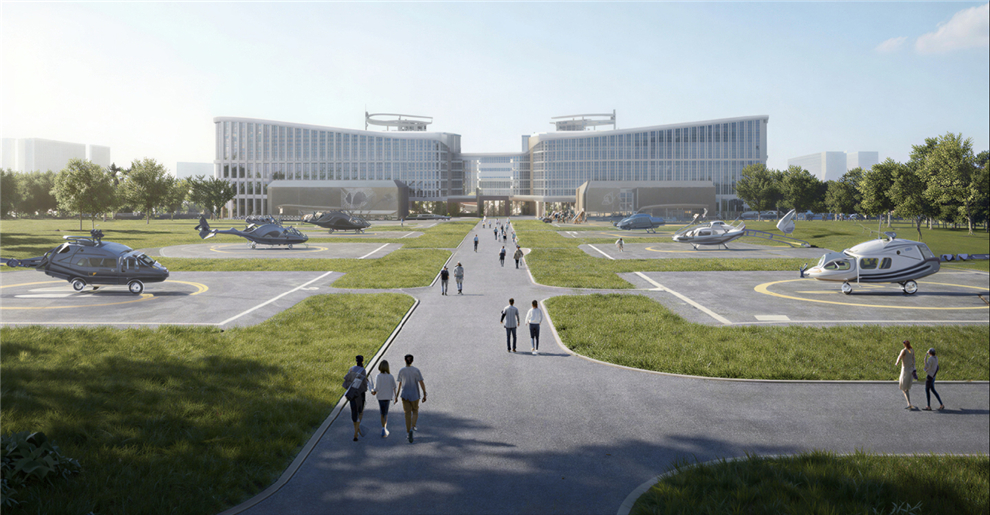
From safeguarding harvests to moving what matters most, our UAV solutions are built to fit seamlessly into your life and work, no matter the mission.

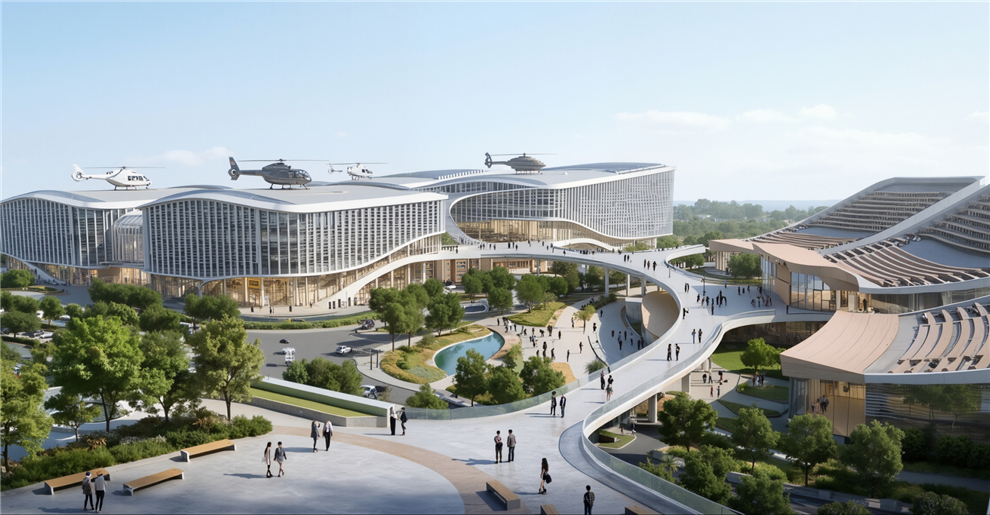
— The future of urban air mobility. Efficient, and completely emission-free, our eVTOL aircraft are designed for passenger transport and city logistics. They can decongest crowded roads, reduce travel times, and lower carbon footprints — making daily commutes faster and cleaner for everyone.

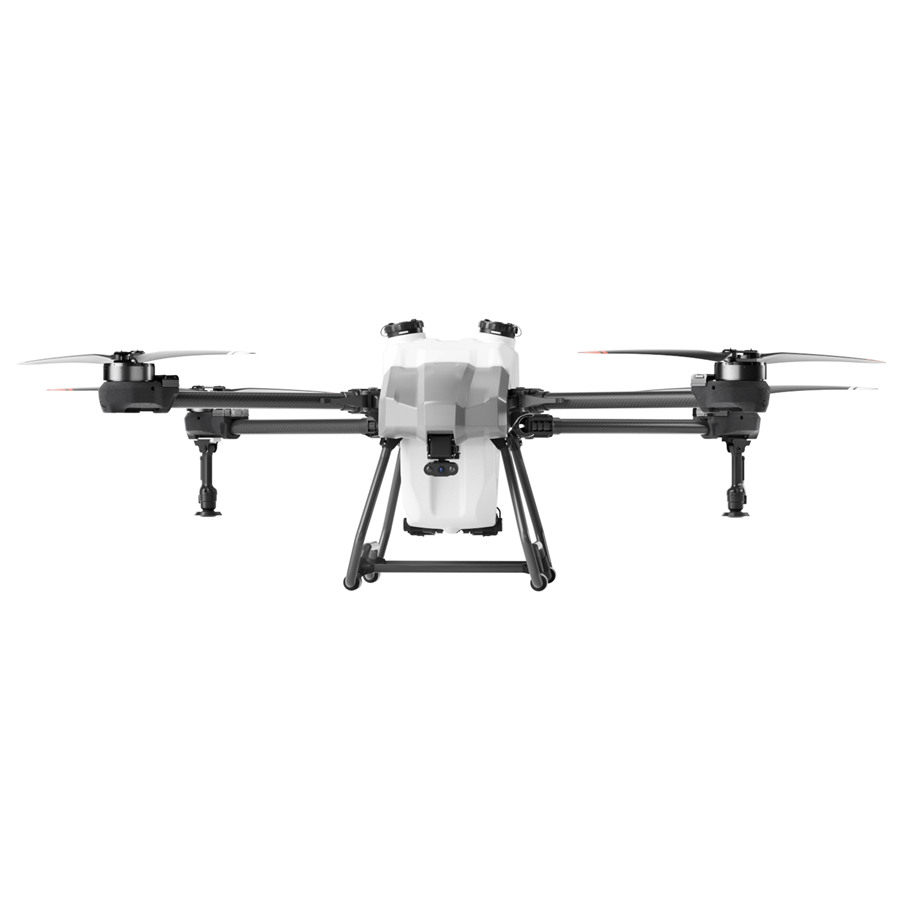
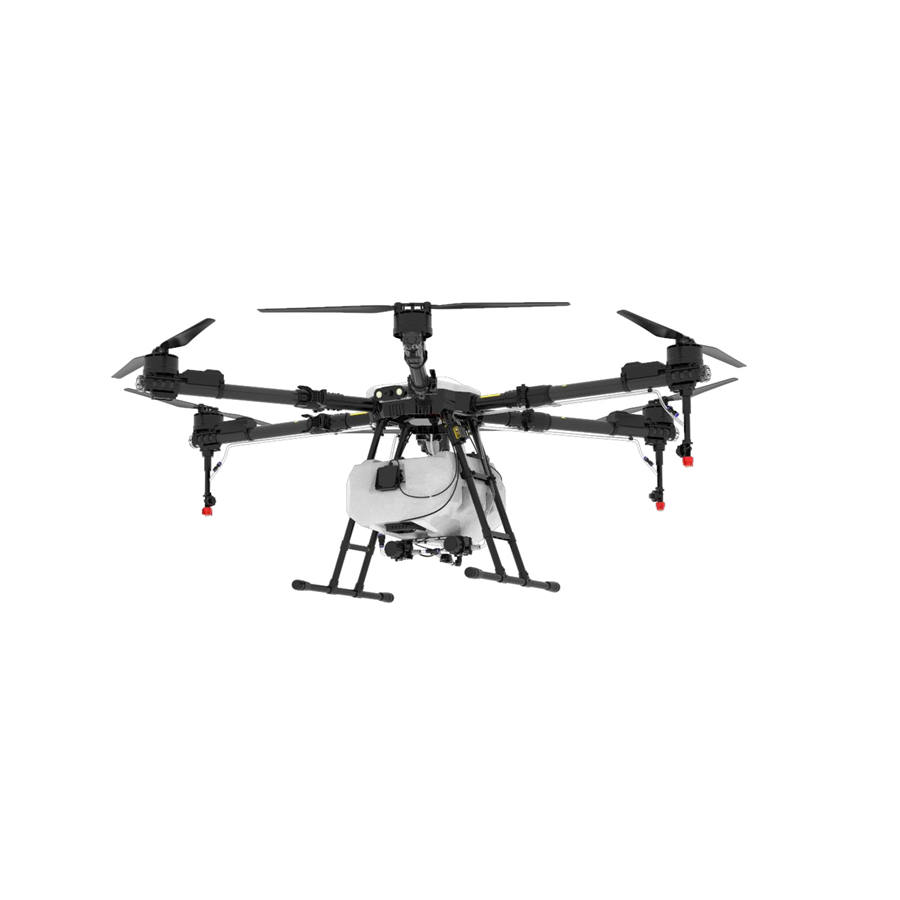
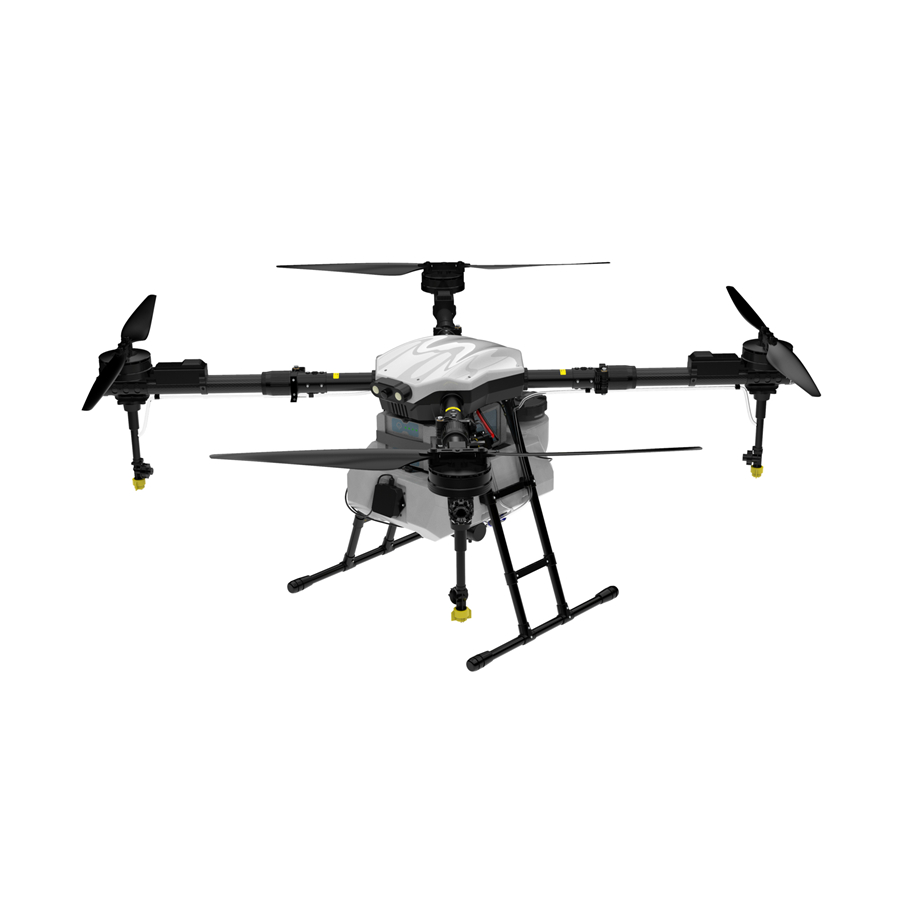
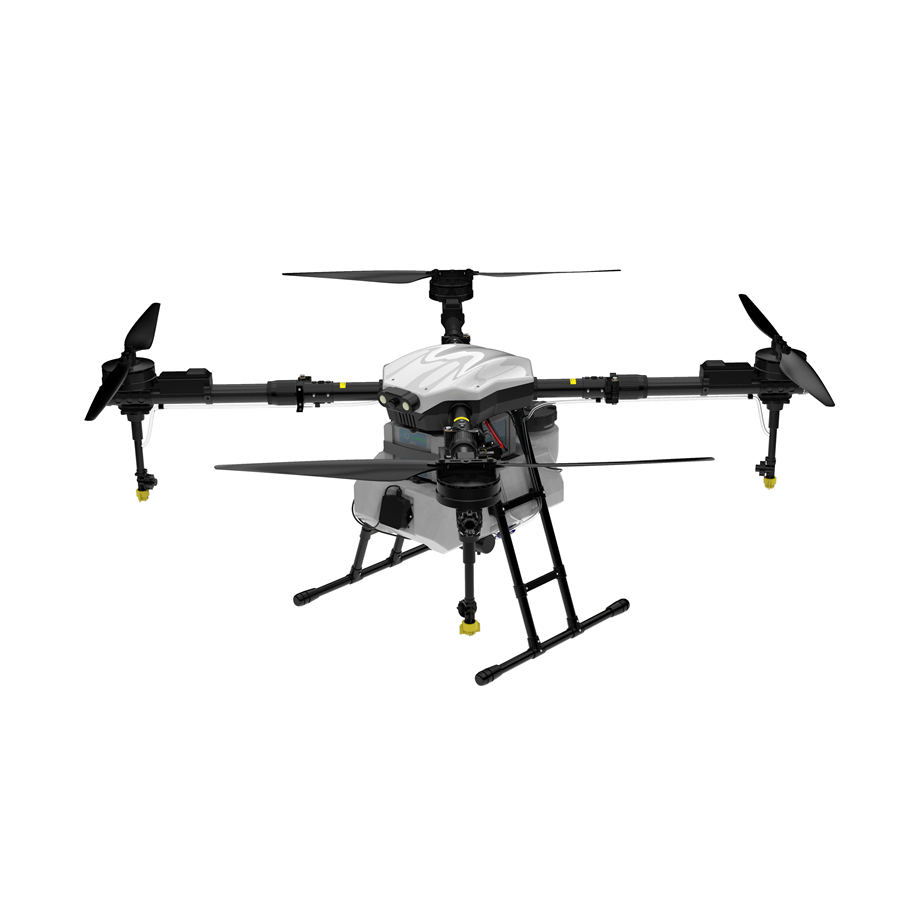
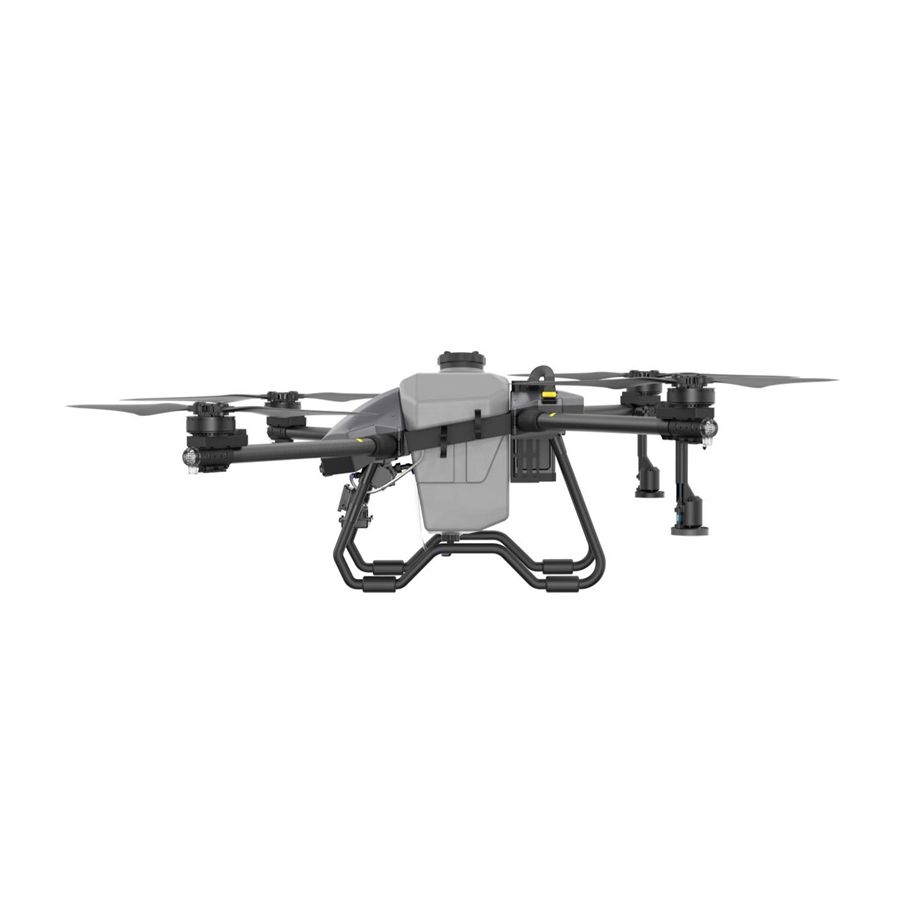
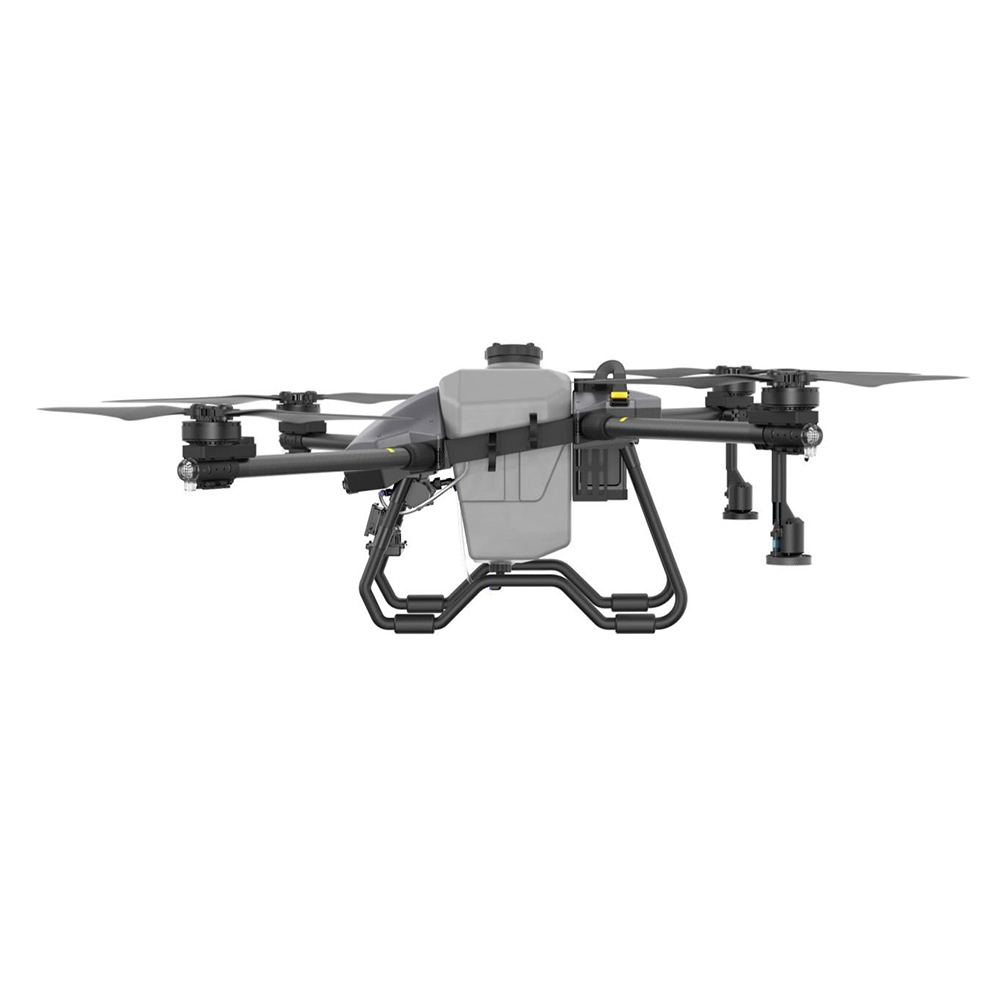
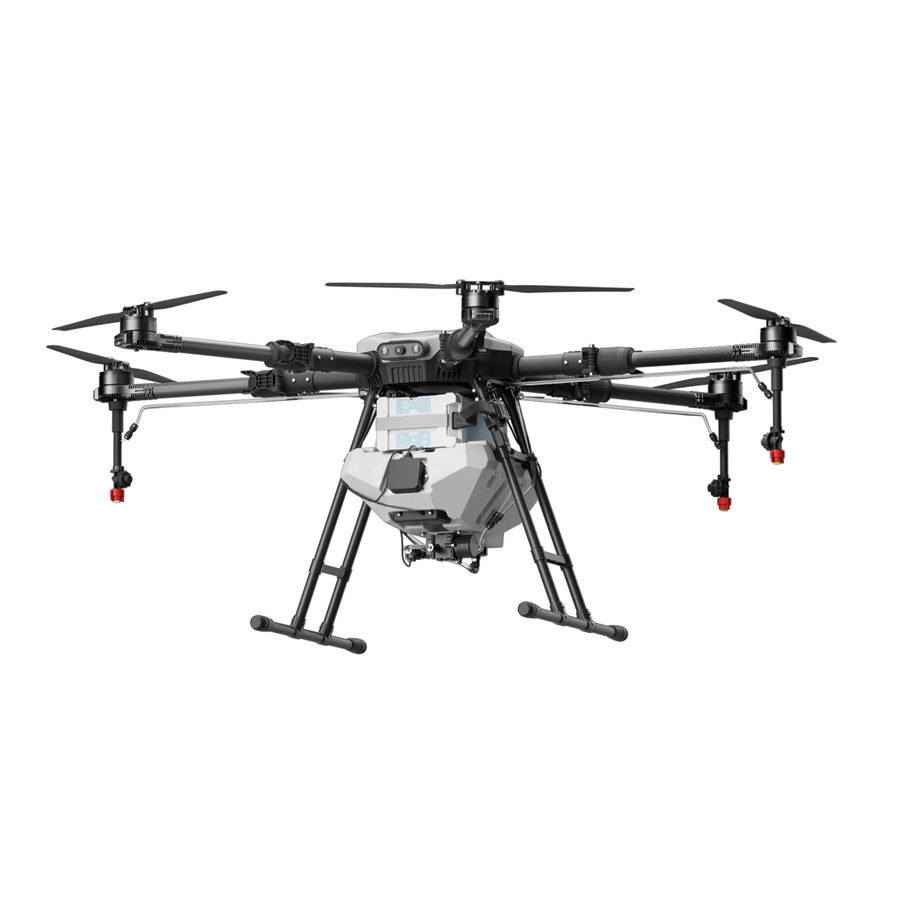
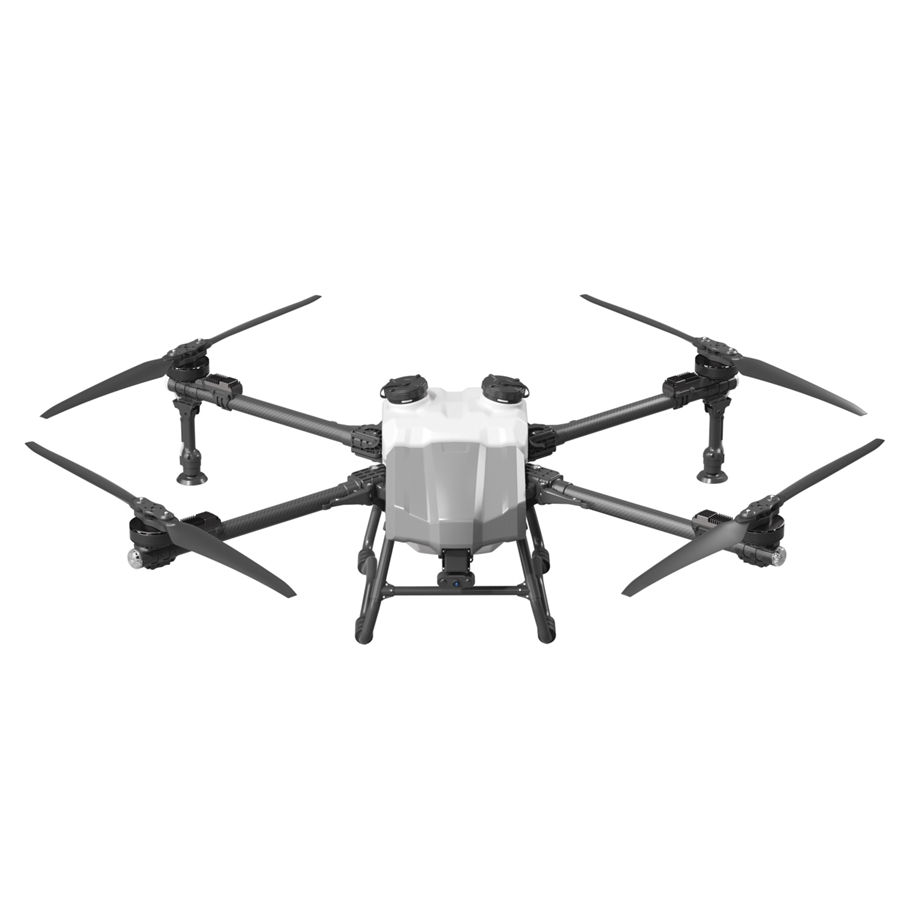
— Precision crop protection that saves time, reduces waste, and significantly improves yields. Our drones navigate complex farmland with ease, automatically avoiding obstacles while applying fertilizers and pesticides exactly where needed. This keeps farmers safe from chemical exposure, lowers operational costs, and supports sustainable farming practices.

— Reliable logistics solutions for last-mile delivery, emergency supply transport, and industrial operations. Whether it's delivering medical supplies to remote villages, transporting construction materials to mountain sites, or supporting disaster relief efforts, our drones carry heavy payloads over challenging terrain with minimal human intervention.
Australia represents one of the most compelling markets globally for passenger drone and advanced UAV technology, driven by its unique geography, progressive regulatory environment, and rapidly growing demand across multiple industries.
Australia is one of the world's largest agricultural nations, with vast pastoral and cropping regions spanning Western Australia, Queensland, New South Wales and Victoria. Traditional crop-spraying is labour-intensive and costly. Agricultural drones dramatically reduce chemical usage, cut operational costs by up to 60%, and enable precision application across wheat, barley, cotton, sugarcane and viticulture operations — all while protecting rural communities from pesticide exposure.
Sydney, Melbourne and Brisbane are actively exploring Urban Air Mobility (UAM) corridors. The Australian Government and CASA (Civil Aviation Safety Authority) have been developing regulatory frameworks specifically for Advanced Air Mobility (AAM). Infrastructure projects such as vertiport concepts in western Sydney align directly with the deployment of passenger-grade eVTOL aircraft — reducing road congestion and commute times across expanding metropolitan corridors.
Over 28% of Australians live in regional and remote areas, many of which are underserved by conventional transport infrastructure. Passenger and cargo drones offer transformative solutions — from delivering critical medical supplies to Aboriginal communities in the Northern Territory, to transporting emergency equipment to flooded or fire-affected regions. In 2023, drone delivery trials operated in Queensland demonstrated viability for last-mile logistics in rural postcodes.
Australia's mining sector — the largest in the world by export value — is increasingly adopting drone technology for surveying, stockpile monitoring, inspection and autonomous cargo transport. Sites in the Pilbara region of WA, Queensland's Bowen Basin and South Australia's Olympic Dam represent high-value deployment opportunities for heavy-lift cargo drones capable of transporting equipment and samples across vast, challenging terrain without road infrastructure.
Australia's drone economy is forecast to contribute AUD $14.5 billion to GDP by 2040, with passenger and commercial UAV operations representing the fastest-growing segment. As an early mover in CASA's regulatory sandbox programs and a signatory to international AAM frameworks, Australia is positioned as a global testbed for next-generation aerial mobility.
Key forces reshaping how Australians will move people, goods and services through the air.
The Civil Aviation Safety Authority (CASA) is progressively updating regulations to enable commercial passenger drone operations. The Remote Pilot Licence (RePL) pathway, drone registration requirements and the introduction of UTM (Unmanned Traffic Management) systems signal a mature, safety-focused approach that gives manufacturers and operators a clear pathway to market entry. By 2026, CASA is expected to finalize certification standards for eVTOL passenger aircraft operating within Australian airspace.
State governments and private developers are investing in vertiport infrastructure — the ground stations from which eVTOL aircraft will take off and land. Proposals for vertiports in Sydney CBD, Melbourne Docklands and Brisbane's CBD-to-airport corridor reflect genuine commercial intent. These facilities will serve as the backbone for scheduled passenger drone services, mirroring the early development of helicopter networks in the 1960s but at far greater scale and accessibility.
Advances in solid-state battery technology and hydrogen fuel cell integration are extending the range and endurance of electric aerial vehicles. For the Australian context — where operational distances can span hundreds of kilometres — these improvements are critical. Manufacturers like DaShu Aviation are investing heavily in next-generation propulsion systems that extend single-charge flight distances to 200+ km, opening entirely new route networks across regional Australia.
Artificial intelligence and machine learning are transforming UAV flight management. Autonomous collision avoidance, real-time weather adaptation, dynamic rerouting and swarm coordination are now production-ready features in advanced aircraft systems. For agricultural drones operating over Australian farms, AI-driven variable rate application and computer-vision-based pest detection are becoming standard, dramatically improving ROI for Australian agribusiness operators.
Australia has committed to reaching net-zero emissions by 2050. Electric aerial vehicles contribute directly to this goal by replacing fossil-fuel aircraft and helicopters in regional operations. With Australia's renewable energy sector growing rapidly — particularly solar in Queensland and WA — the prospect of fully renewable-powered drone fleets becomes increasingly viable. This positions passenger and cargo drones as a genuinely green transport solution with strong government and public support.
From the red centre to coastal cities, our UAV platforms address the most pressing mobility, productivity and safety challenges facing Australian operators today.
Spray, spread and monitor across Western Australia's vast wheat and canola belts. Reduce chemical inputs by 30% and cut spraying time by up to 80% compared with ground rigs on large-scale operations above 10,000 hectares.
Connect Brisbane, Gold Coast and Sunshine Coast communities via eVTOL corridors, cutting commute times from 90 minutes to under 20 minutes. Designed to integrate with existing public transport ticketing and booking platforms.
Reliable, scheduled delivery of medical supplies, food and essential goods to remote Indigenous communities and remote stations where road access is seasonal or unreliable. Operational in temperatures from -5°C to 50°C.
Deploy thermal-imaging drones for early fire detection across national parks and state forests. Heavy-lift cargo drones can air-drop fire retardant or emergency supplies to inaccessible terrain, supporting Rural Fire Service operations across NSW, Victoria and South Australia.
Australia's rapidly expanding solar and wind farm networks require regular inspection. Our UAV platforms equipped with high-resolution thermal cameras reduce inspection times by 95% compared with manual methods, identifying faults in solar panels, wind turbine blades and high-voltage transmission lines.
Lightweight surveillance drones are deployed along Australia's 35,000 km coastline for reef monitoring, search and rescue support, and illegal fishing detection. Low-noise, emission-free platforms minimise disturbance to sensitive marine ecosystems in UNESCO World Heritage areas.
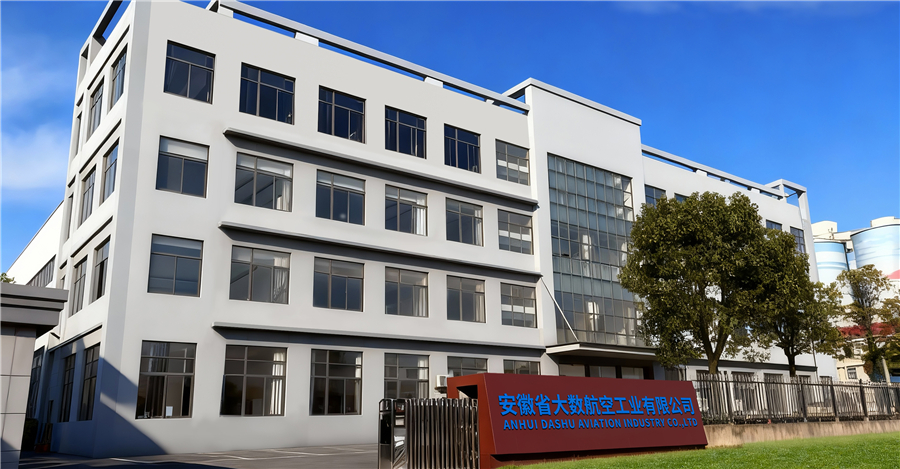
Our R&D and manufacturing center is located in Hefei, China — with full export capability to the Australian market, supporting local operators with fast-turnaround servicing and spare parts logistics.
We're proud to be part of the low-altitude economy revolution, working every day to empower smarter, more connected, and more inspiring cities around the world — and across Australia.
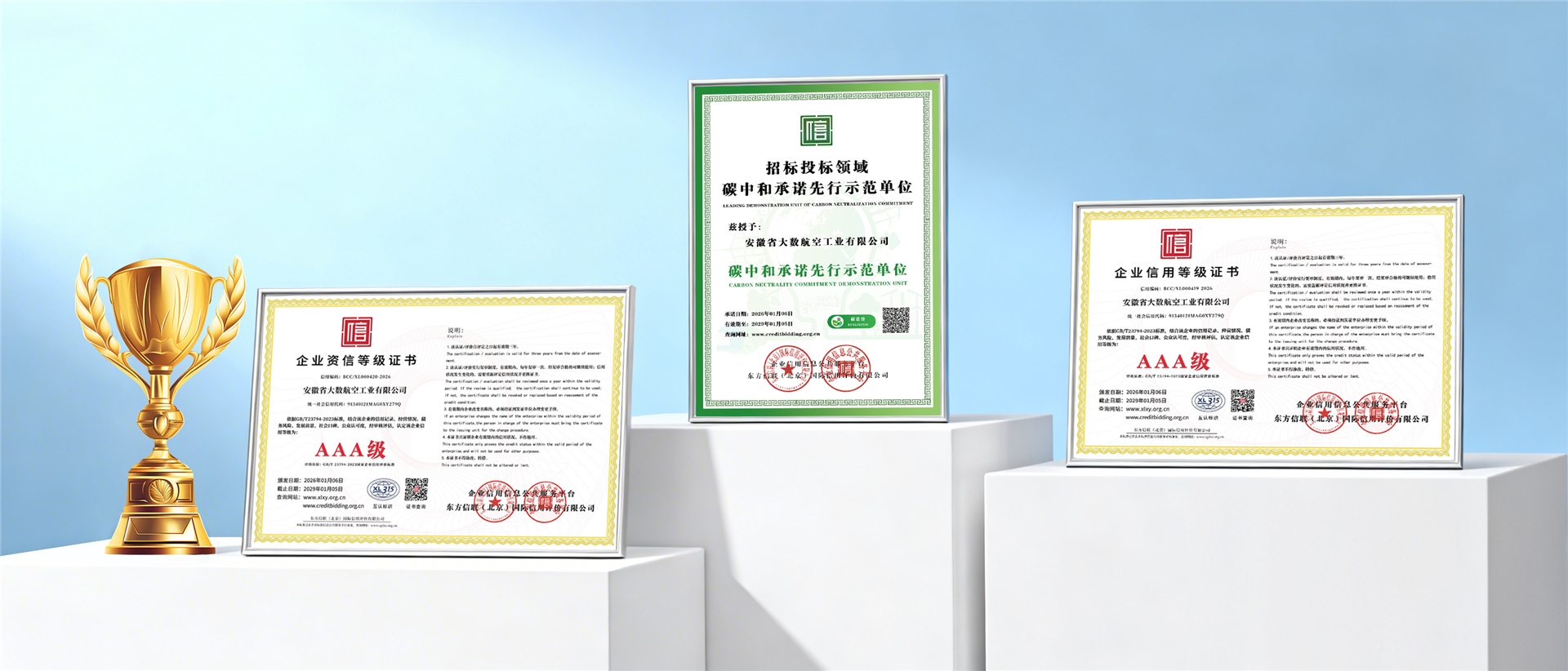
All DaShu Aviation products are manufactured to internationally recognised quality standards, supporting compliance with CASA import and operational requirements for the Australian market.
Eight proven platforms covering every Australian farming scale, terrain type and operational requirement — from compact hobby farms to continental agribusiness operations.