Leave Your Message
High-payload intelligent aircraft engineered for immediate field deployment, variable-rate spraying, high-speed bio-monitoring, and unified precision farm operations.
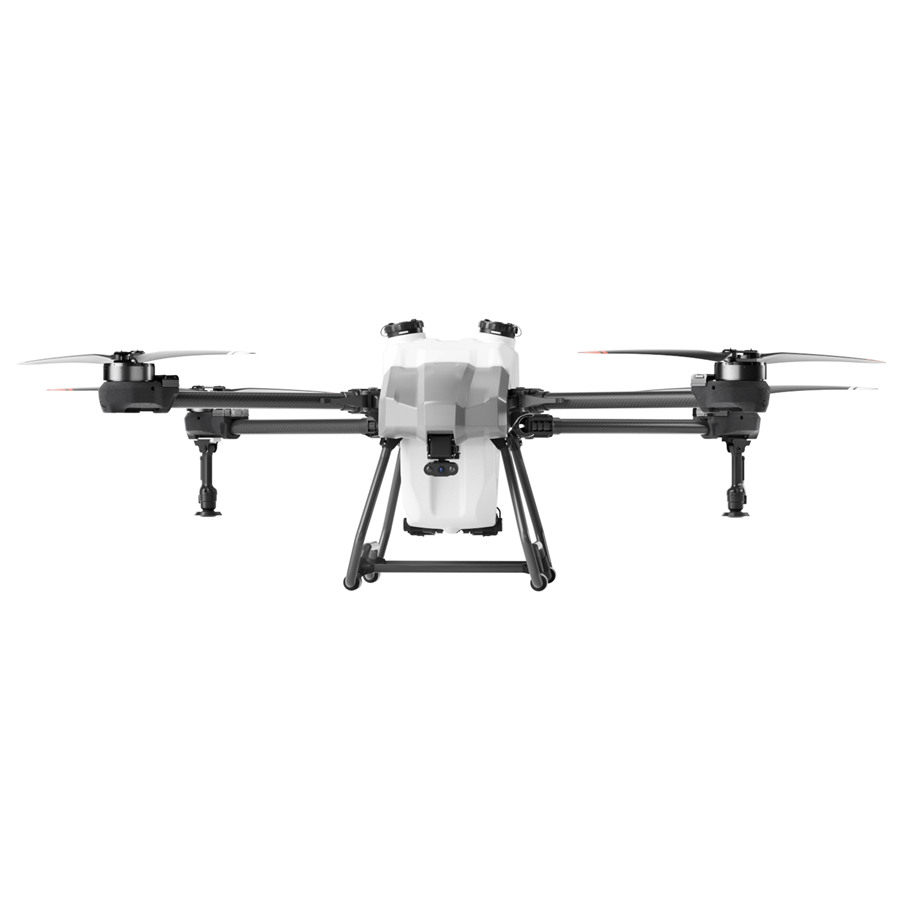
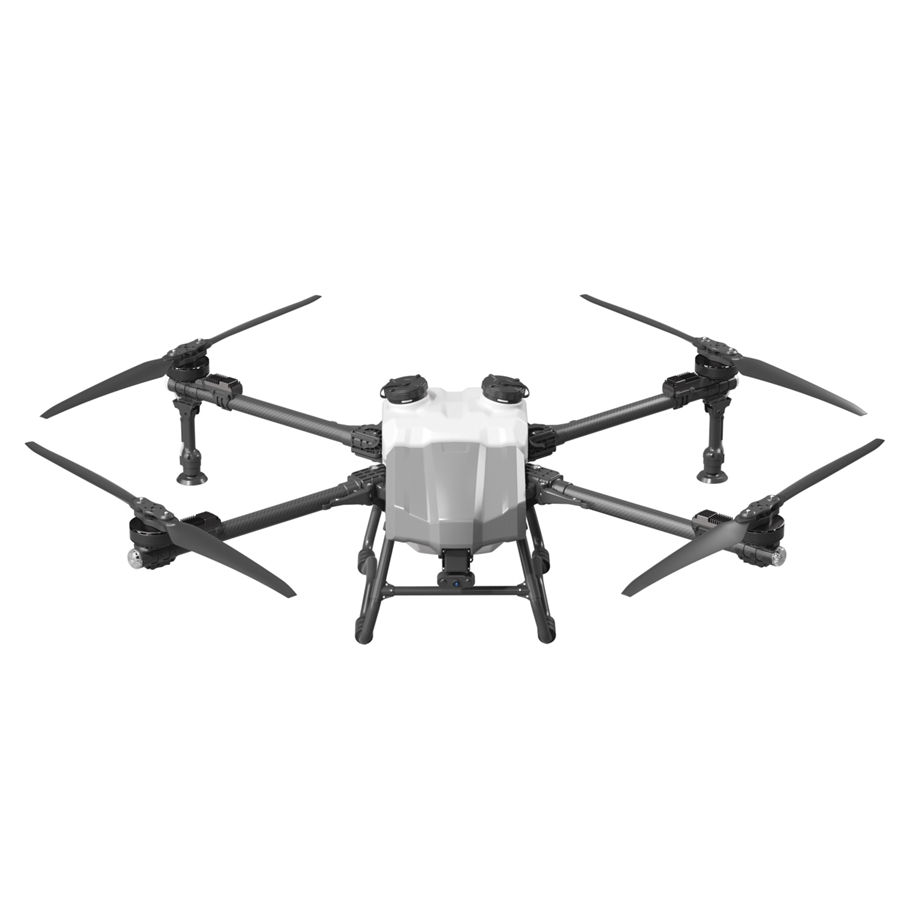
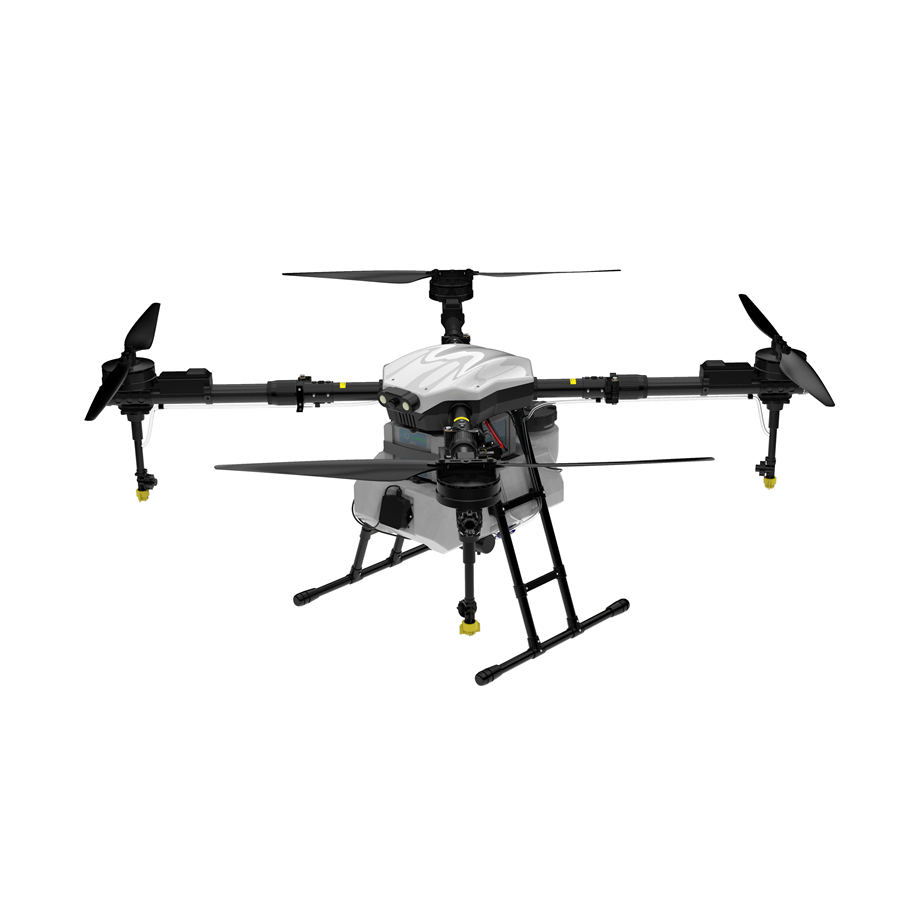
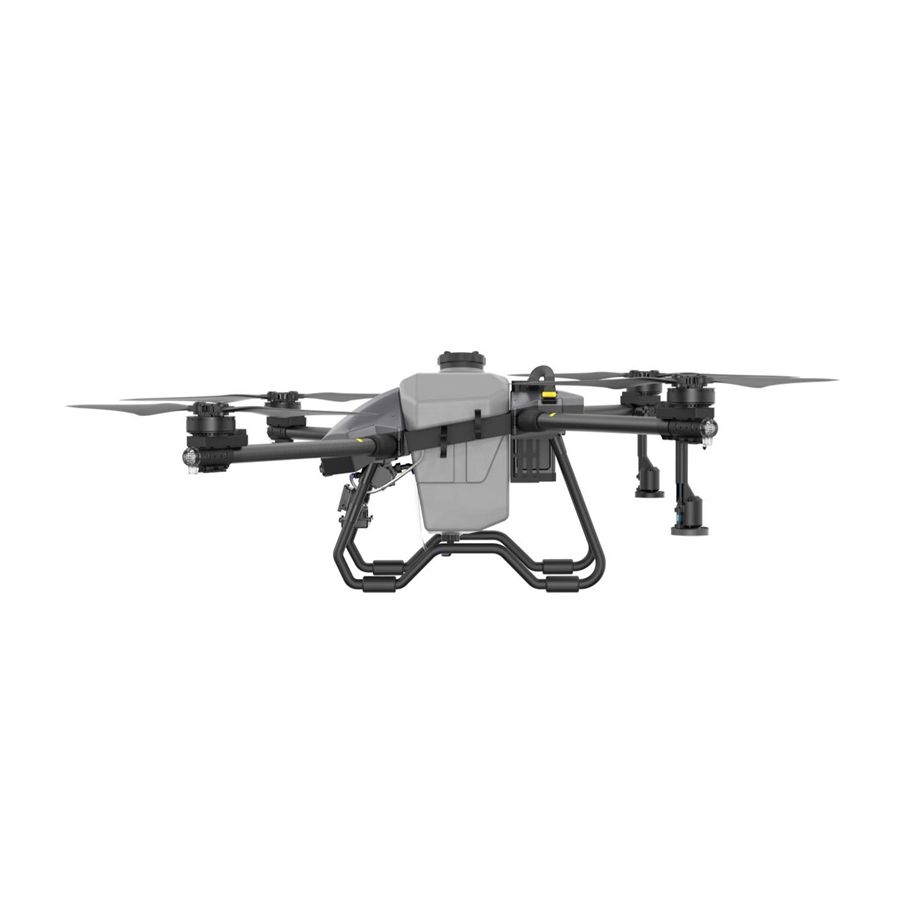
Analyzing the technical, operational, and financial evolution as human-grade eVTOL aviation synergizes with megascale digital agronomy.
The global agricultural landscape is confronting a profound structural transformation characterized by extreme weather volatility, arable land consolidation, persistent farm labor deficits, and urgent carbon emission mandates. While unmanned aerial vehicles (UAVs) have established an indispensable footprint in localized chemical spraying and multispectral field analysis, the emergence of the Passenger Drone For Precision Farming heralds a revolutionary leap toward comprehensive, three-dimensional agro-industrial management. Moving beyond small-scale unmanned quadcopters, heavy-class electric Vertical Takeoff and Landing (eVTOL) platforms designed for passenger and crewed operations are unlocking previously unimaginable efficiencies across mega-farms, corporate plantations, agricultural conglomerates, and rural bio-corridors.
In modern agricultural ecosystems spanning hundreds of thousands of contiguous acres—such as the expansive grain basins of North America, the vast soybean fields of South America, and extensive state-managed agro-complexes throughout Eurasia—ground-bound transit for agronomists, soil chemists, and farm directors is prohibitively sluggish. Conventional ground vehicles compress fragile soil layers, create mechanical crop wear, and demand hours of arduous travel across unpaved access tracks. Integrating passenger-capable eVTOL aircraft directly into agricultural workflows enables chief crop scientists and operational managers to transition from physical transit to rapid low-altitude aerial command, inspecting stress anomalies identified by satellite telemetry within minutes rather than days.
Historically, human-grade aviation in agriculture was restricted to costly, high-emission fixed-wing planes (e.g., crop dusters) and fossil-fuel helicopters. These legacy machines feature substantial operating expenditures, high noise profiles, zero obstacle-avoidance autonomy, and stringent requirements for dedicated runways or specialized refueling depots. Conversely, electric passenger drones purpose-engineered with multi-rotor or tilt-rotor eVTOL architectures require no prepared runway, emit zero tailpipe greenhouse gases, and operate at a fraction of the direct operating hourly cost of internal combustion aircraft.
Today, agricultural equipment consortia and aerospace pioneers are converging on multi-purpose eVTOL airframes. During critical vegetative stages, passenger-grade drones serve as high-altitude airborne command posts, carrying senior agronomists equipped with onboard thermal, hyperspectral, and LiDAR diagnostic workstations. In transitional phases, the identical heavy-lift eVTOL airframes seamlessly switch modules to execute ultra-heavy chemical or biological payload distribution, delivering hundreds of kilograms of granular fertilizer or biological control agents per sortie with sub-centimeter RTK satellite accuracy.
Enabling agronomists and precision farming specialists to rapidly traverse vast estates, conducting physical ground-truthing in previously inaccessible or mud-locked terrains without soil compaction.
Capital assets that transition instantaneously between executive agricultural transport, high-speed remote crop surveillance, and autonomous heavy-payload payload delivery during peak application windows.
Zero-emission electric powertrains recharged via on-farm renewable energy grids (solar, biogas, or wind), eliminating rural diesel dependencies and aligning with stringent global environmental standards.
How human-grade low-altitude flight platforms solve mission-critical challenges across modern agricultural operations.
While high-resolution orbital satellites and autonomous scouting drones detect anomalies in Normalized Difference Vegetation Index (NDVI) values, sensor data alone cannot substitute for real-world physical ground verification in complex agronomy. Soil pathogen outbreaks, nematode infestations, and fungal blights frequently demand microscopic leaf assays and direct root-zone inspection by senior pathologists. With passenger drones operating at speeds exceeding 100 km/h, agronomists can bypass flooded ditches, mountainous slopes, and dense sugarcane or palm canopies, touching down precisely at targeted coordinate nodes identified by AI diagnostic software within minutes. This rapid response prevents localized blights from degenerating into catastrophic harvest-wide infestations.
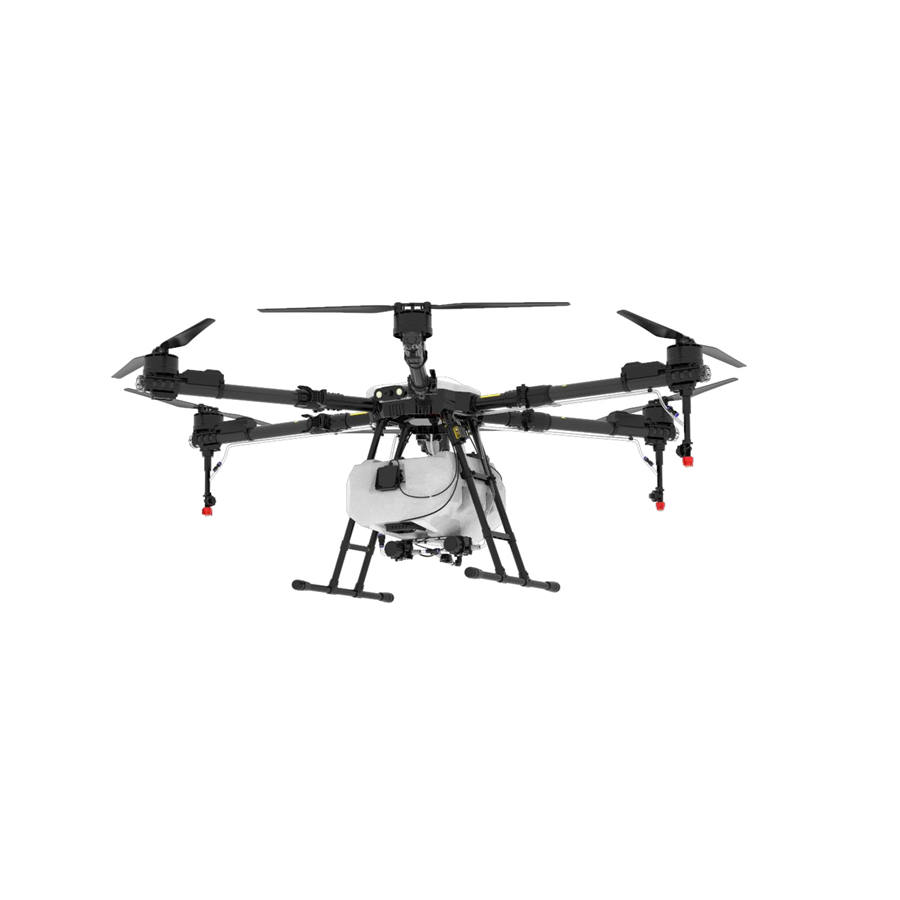
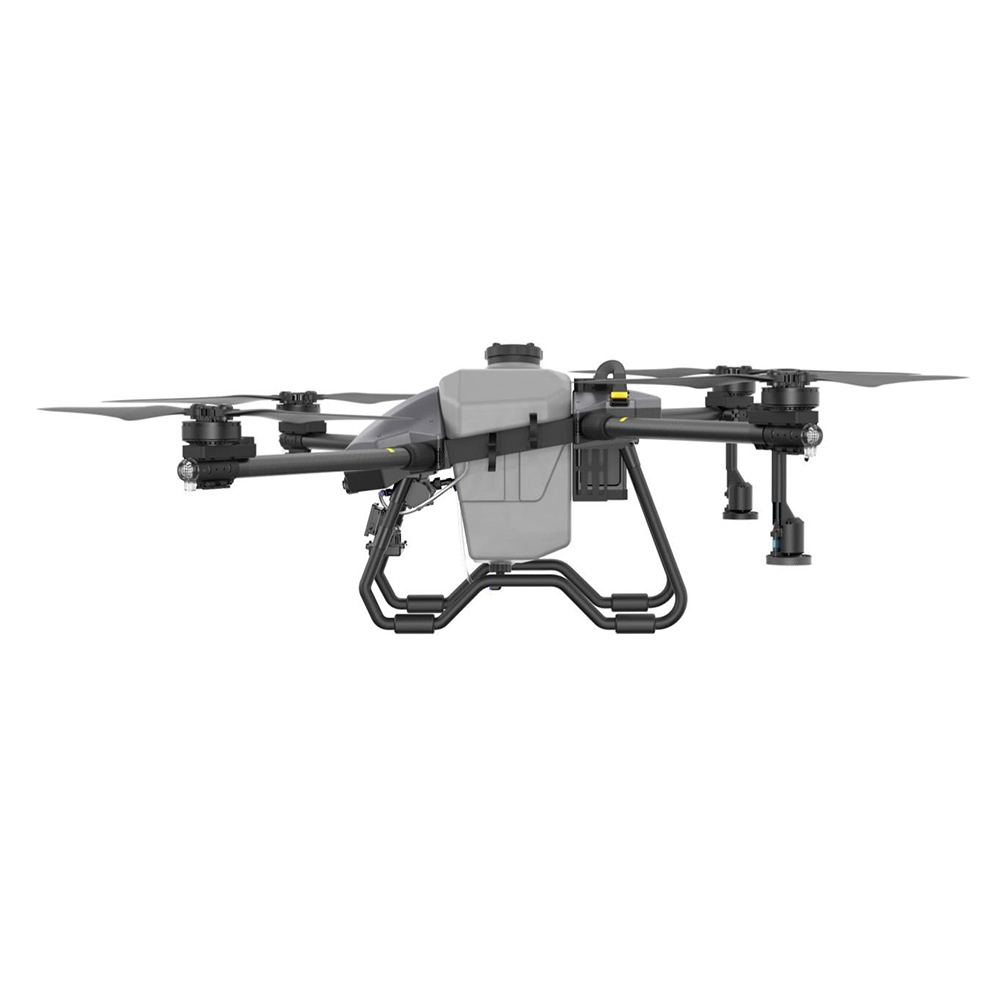
In next-generation precision farms, passenger drones serve as elevated command-and-control hubs. A single operational manager aboard an eVTOL can visually and electronically oversee multiple autonomous unmanned agricultural sprayers—such as our QT-Z50 and QT-Z30 fleets. Utilizing advanced low-latency ad-hoc mesh networks (MANET), the passenger drone acts as an airborne edge-computing server, processing real-time telemetry from peripheral drones, dynamically reallocating swath assignments based on sudden wind shifts, and verifying droplet dispersion patterns without exposing ground operators to drifting chemicals.
In high-value perennial crops like forestry, macadamia orchards, tea plantations, and hillside vineyards, traditional ground navigation is virtually impossible or exceedingly dangerous. Passenger drones equipped with heavy-duty multi-spectral LiDAR scanners provide dual benefits: they transport surveyors directly to elevation summits while acquiring multi-gigapixel 3D point cloud models of canopy structure, tree vigor, and drainage patterns. This real-time aerial supervision dramatically accelerates hydrological planning, variable-rate fertilizer mapping, and terracing design.
Modern precision agriculture depends upon zero machinery downtime during compressed planting and harvesting cycles. A harvester breakdown in a remote quadrant can cost thousands of dollars per hour. Passenger-tier electric aircraft deliver heavy components—such as hydraulic pumps, combine cutterheads, or electronic transmission modules—accompanied by skilled technical mechanics directly to broken equipment in the field. Similarly, in mega-scale livestock operations, veterinary personnel can reach distressed animals in isolated pastures within moments, equipped with emergency biological treatments and portable sonogram equipment.
Leading organic wineries, heritage coffee haciendas, and sustainable agro-parks are adopting passenger eVTOL flight to provide zero-emission aerial tours for buyers, investors, and eco-tourists. Guests experience panoramic vistas of precision conservation corridors, water catchment designs, and circular farming practices without walking across biosecure production soils or risking cross-contamination of delicate crops.
Uniting high-torque brushless powerplants, fail-safe redundant avionics, and neural-network edge computation.
The successful deployment of passenger-grade drones within demanding precision agricultural environments demands an unprecedented synthesis of aeronautical ruggedness and cutting-edge digital intelligence. Farm environments present hostile operating dynamics: corrosive agro-chemical residues, heavy atmospheric dust, high ambient temperatures, strong localized thermal updrafts, and electromagnetic interference from rural power grids. Addressing these challenges requires aerospace engineering tailored specifically for agricultural resiliency.
Modern agricultural passenger drones employ Distributed Electric Propulsion architectures featuring multiple independent electric motor-inverter pairings. Unlike conventional helicopters that rely on a single catastrophic point of mechanical failure (such as a swashplate or primary gearbox), multi-rotor and multi-ducted eVTOL systems incorporate complete dual-bus electrical redundancies and triple-redundant flight control computers. If an individual rotor or battery pack suffers degradation during a field reconnaissance mission, the remaining propulsion channels instantly re-trim flight vectors, guaranteeing safe, stable landings even in gusty rural environments.
Precision agricultural flight requires millimeter-level precision. Our platforms incorporate Real-Time Kinematic Global Navigation Satellite Systems (RTK-GNSS) synchronized with local farm base stations, providing positioning accuracy within 1-2 centimeters. To prevent mid-air collisions with rural hazards like high-voltage transmission wires, irrigation pivots, and silo antennas, the aircraft utilize 360-degree millimeter-wave obstacle radars and solid-state LiDAR sensors. These optical and RF systems operate seamlessly through heavy dust, chemical mists, and nocturnal darkness, enabling 24/7 continuous autonomous scouting and transit operations.
Airframes and avionics bays are fully sealed against fine agricultural dust, moisture, and alkaline or acidic chemical sprays, allowing direct high-pressure water washdown after every sortie.
Real-time neural network accelerators process hyperspectral video streams in mid-flight, calculating leaf-area index and identifying pest hotspots directly in the aircraft cabin.
Standardized modular battery packs can be mechanically swapped or fast-charged via on-site agricultural microgrids in under 15 minutes, ensuring non-stop operational availability.
We design and manufacture new-energy aircraft for real people and real-world needs. From safeguarding harvests to moving what matters most, our UAV solutions are built to fit seamlessly into your life and work, no matter the mission.

The future of urban air mobility and agro-industrial transit. Efficient, quiet, and completely emission-free, our eVTOL aircraft are designed for passenger transport and large-scale agricultural logistics. They decongest ground routes, eliminate terrain bottlenecks, reduce travel times from hours to minutes, and dramatically lower operational carbon footprints—making advanced aerial mobility clean, rapid, and universally accessible.

Precision crop protection that saves critical time, reduces resource waste, and significantly optimizes farm yields. Our drones navigate complex farmland, terraced hillsides, and dense orchards with ease, automatically avoiding obstacles while applying fertilizers and biological pest controls exactly where needed. This keeps agricultural workers safe from direct chemical exposure, reduces chemical inputs by up to 30%, and supports regenerative farming.

Rugged, reliable heavy logistics solutions for remote farm inputs, emergency supply transport, and industrial farm operations. Whether it's moving harvesting components to remote sectors, ferrying bulk seedlings across steep mountain terrain, or providing disaster relief during agricultural flooding, our heavy-lift drones transport payloads with exceptional stability and minimal human intervention.
Global Manufacturing Infrastructure & Technological Commitment to Intelligent Three-Dimensional Mobility.
We believe the sky is not a limit — it's the next frontier for everyday mobility. At Anhui DaShu Aviation, we're on a mission to make aerial services accessible to everyone. Whether it's helping farmers protect their crops more efficiently, delivering heavy cargo to hard-to-reach areas, or reimagining how people and goods move across cities and farmlands — we're building the aircraft that will take you there.
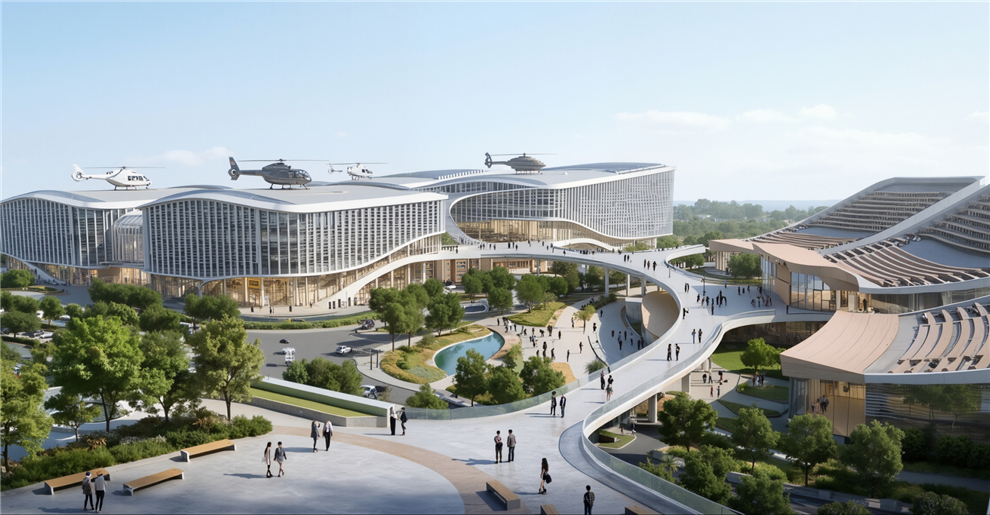
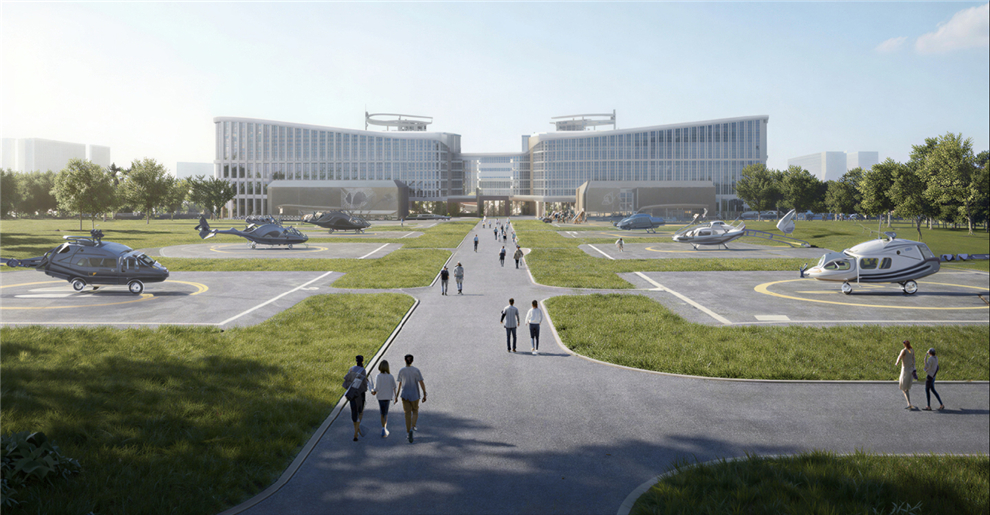
A smarter, safer, and more reliable ecosystem for intelligent three-dimensional mobility, bridging metropolitan centers and precision agro-industrial frontiers through carbon-neutral flight.
Simpler technology, safer flights, and more dependable experiences — because the future of flight shouldn't be complicated or out of reach for agriculturalists and modern enterprises.
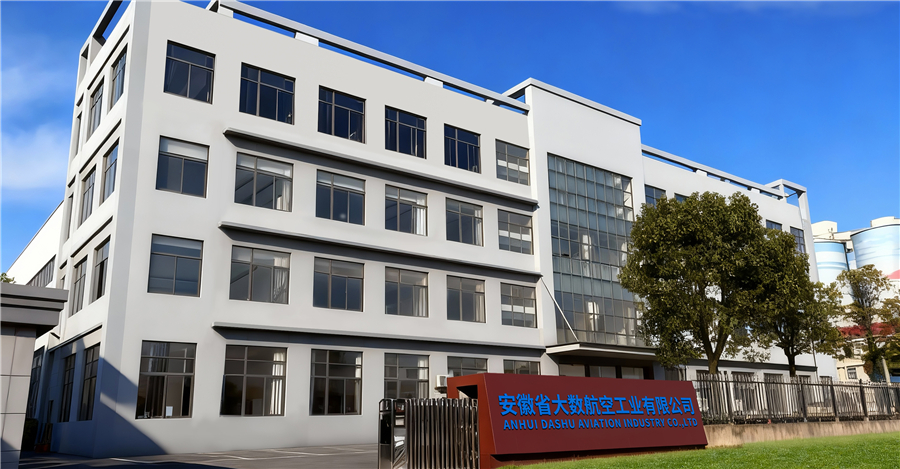
Our expansive R&D and manufacturing center is located in Hefei, China. Spanning over 14,800 m² of purpose-built aerospace manufacturing infrastructure, our facility integrates high-precision CNC composite tooling, cleanroom carbon-fiber curing autoclaves, automated robotic wiring harness assembly, and computerized avionics test benches. We are proud to stand at the forefront of the global low-altitude economy revolution, engineering smarter, cleaner, and more resilient aviation technologies for agricultural and commercial partners worldwide.


Rigorous international compliance ensuring absolute airframe safety, electromagnetic reliability, and field readiness.

Explore our complete portfolio of smart agricultural drones, specialized spraying systems, and high-efficiency aerial platforms.