Leave Your Message
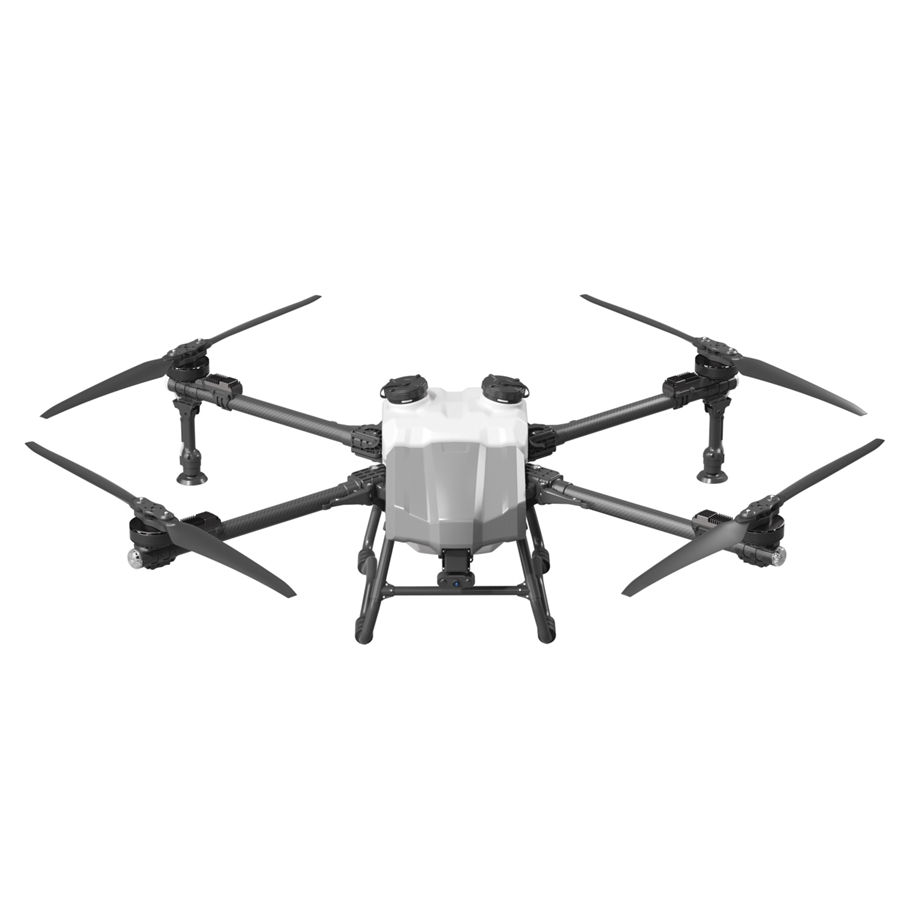
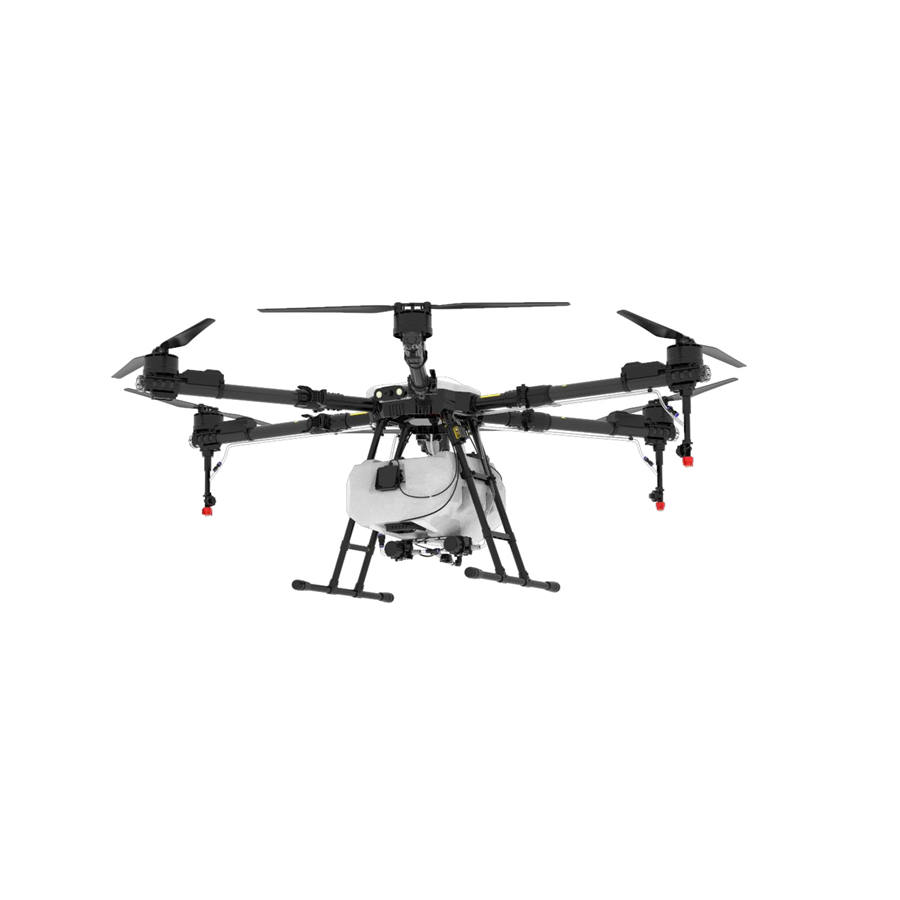
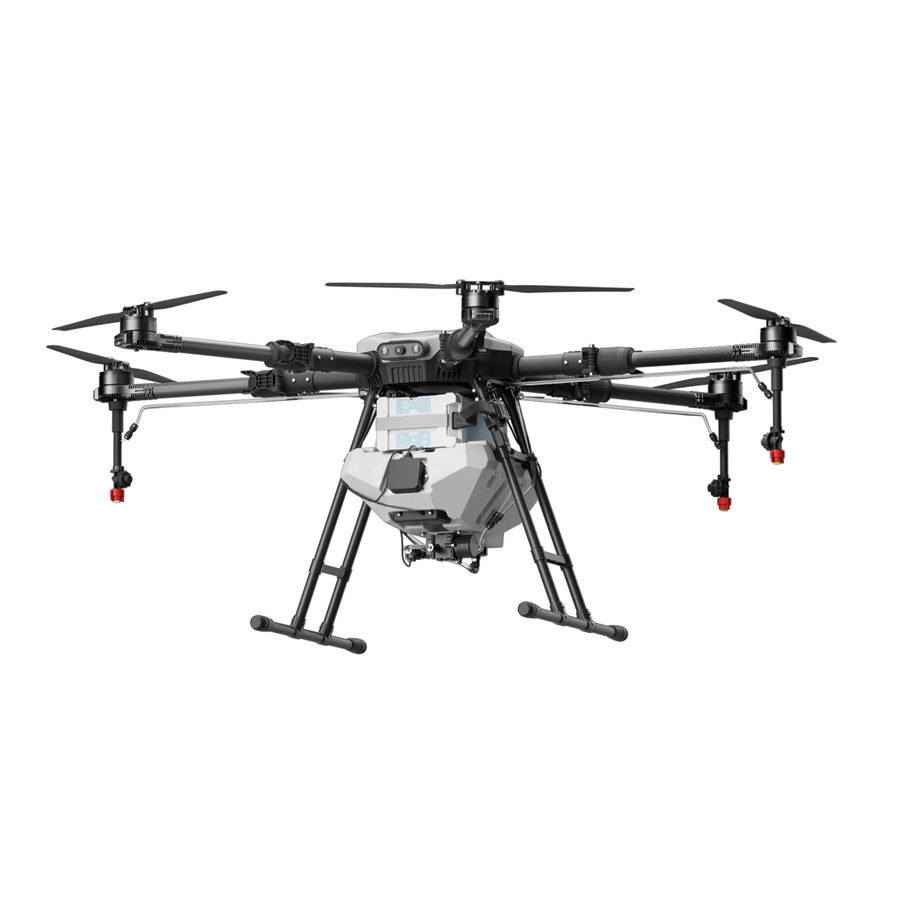
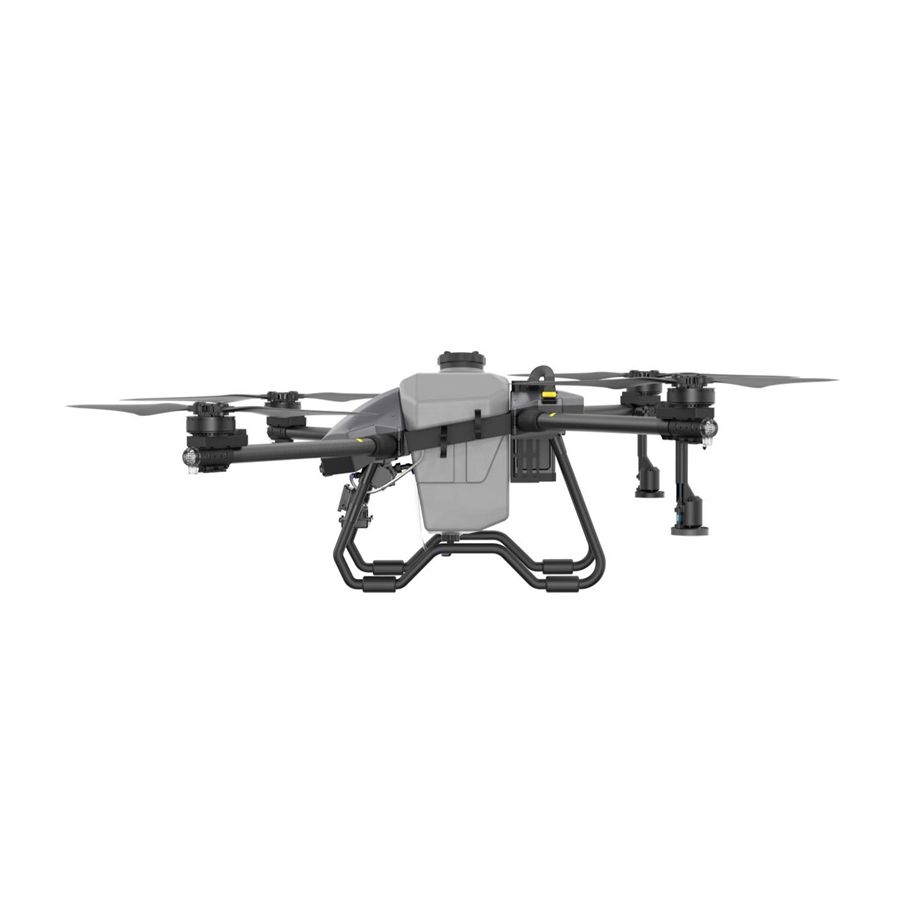
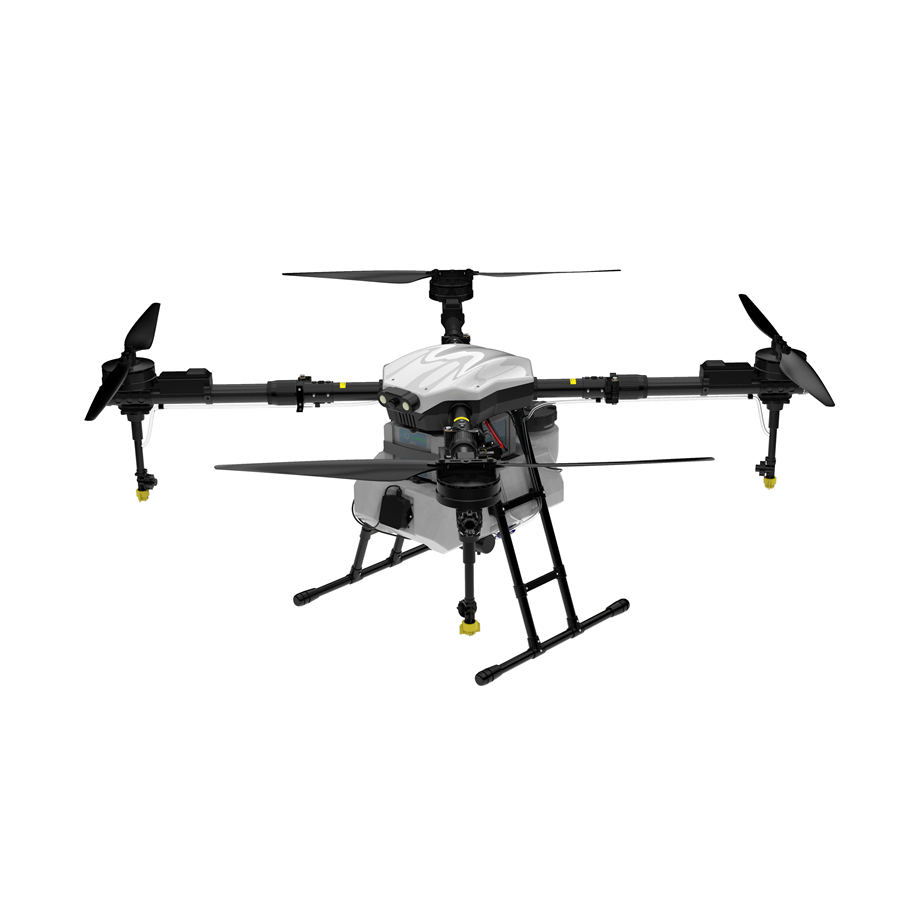
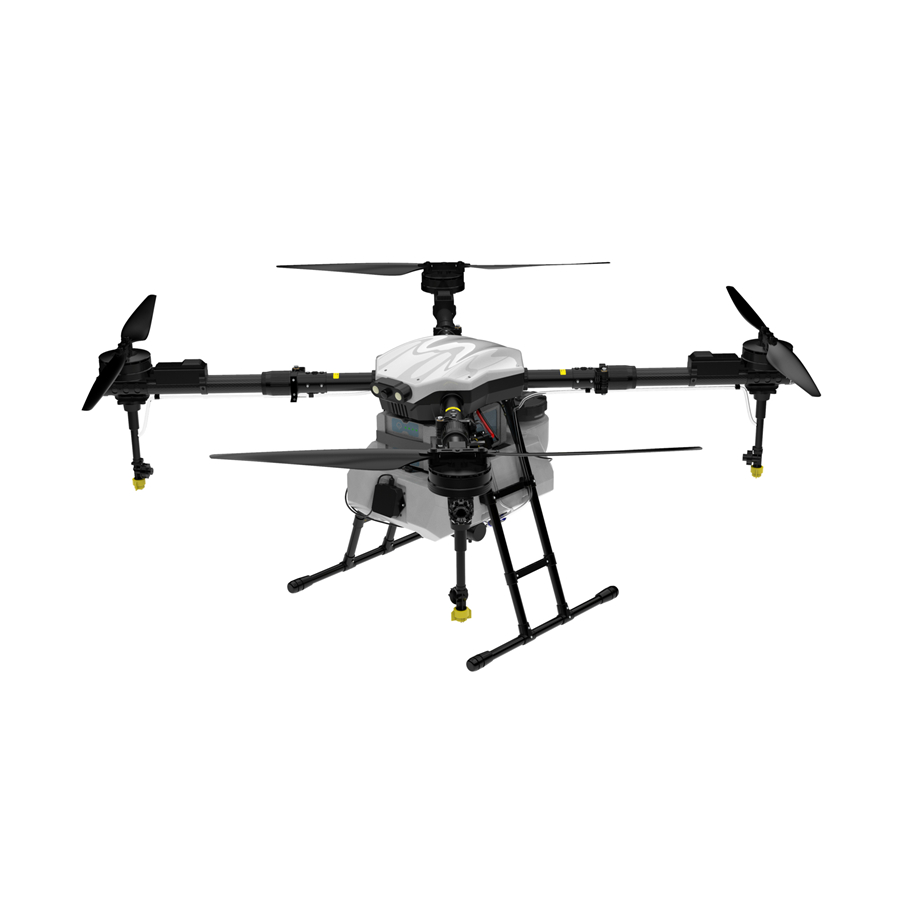
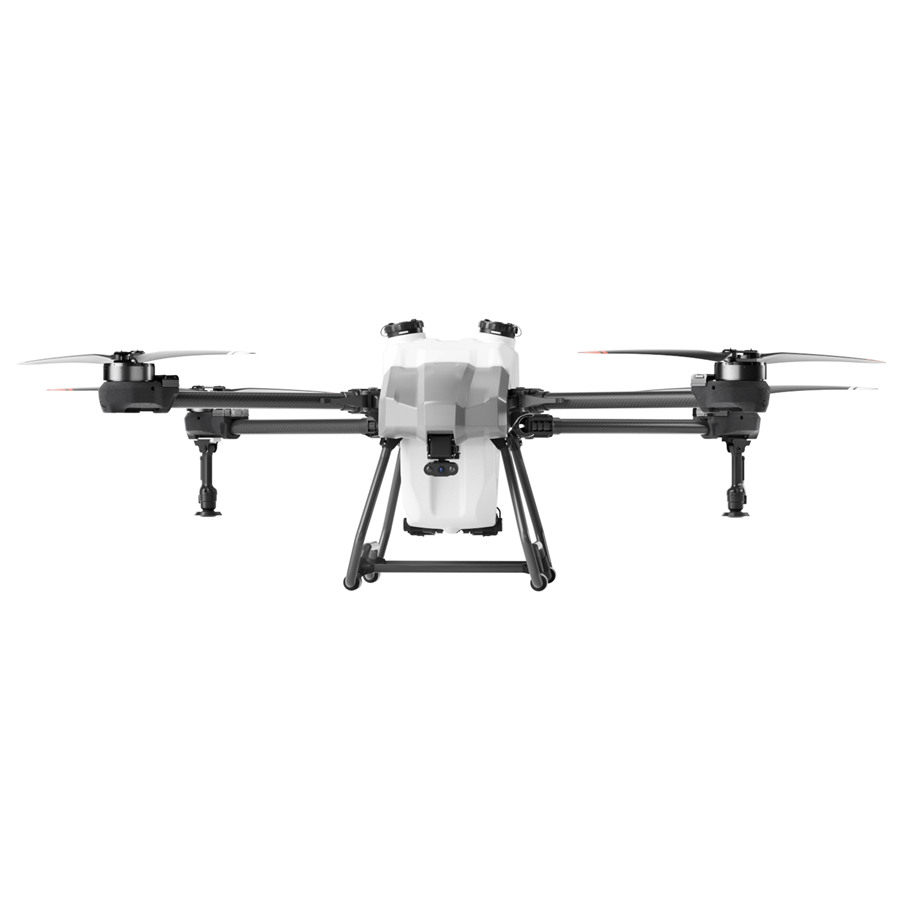
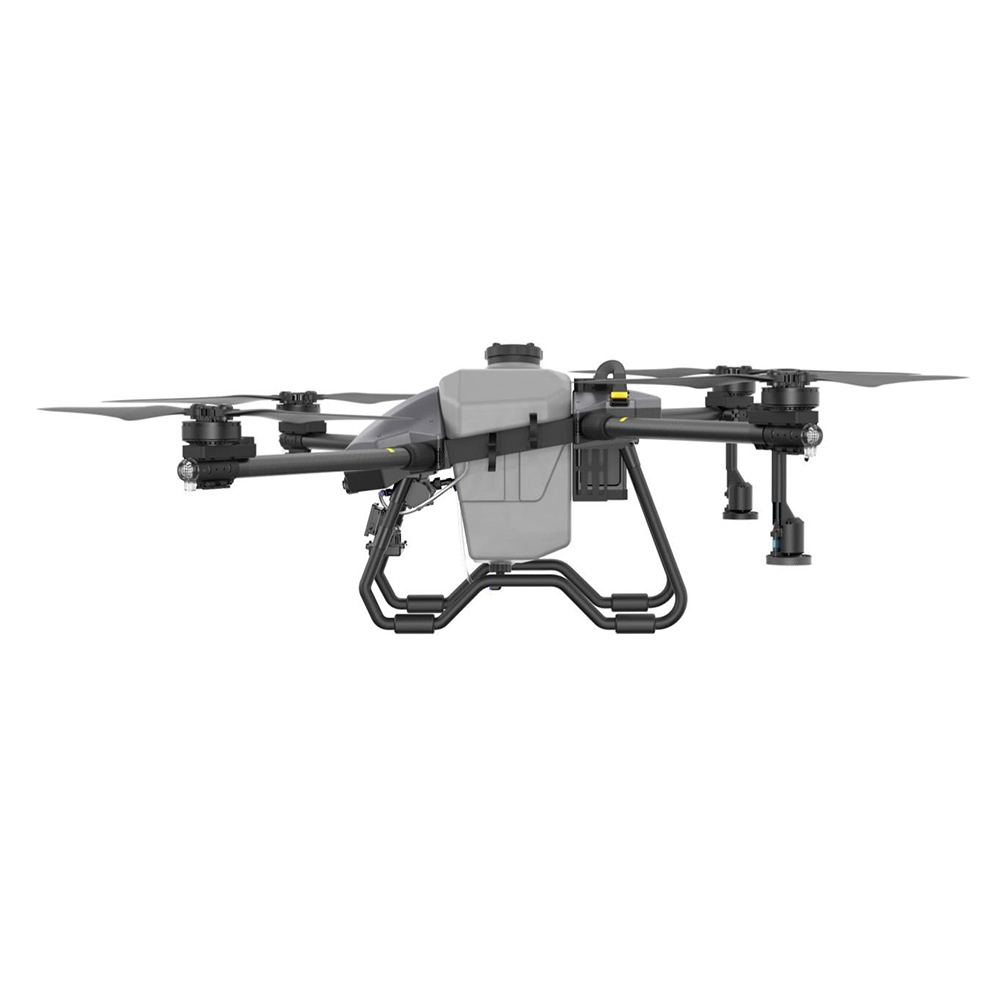
Explore our flagship agricultural UAV lineup — engineered for precision crop spraying, intelligent field monitoring, and maximum operational efficiency.
A surveillance drone for crop spraying is a multi-functional unmanned aerial vehicle (UAV) that combines high-resolution field monitoring with precision liquid application technology. Unlike traditional ground-based sprayers, these intelligent drones fly autonomously over farmland, capturing real-time imagery and data while simultaneously delivering fertilizers, pesticides, or herbicides with pinpoint accuracy.
Equipped with advanced sensors — including multispectral cameras, LiDAR, and obstacle-avoidance radar — these drones don't just spray crops; they actively survey and analyze field conditions, identify problem zones, and adapt their spraying patterns in real time. This dual-function capability makes them one of the most powerful tools in modern precision agriculture.
Modern crop spraying drones can cover up to 40 acres per hour — over 40× faster than manual spraying — while reducing chemical usage by up to 30% through intelligent variable-rate application.
GPS-guided autonomous flight paths ensure every inch of the field receives exactly the right amount of treatment — no overlap, no missed spots.
Live field data is streamed to farm management platforms, enabling instant decision-making and historical crop health analysis.
The agricultural drone market is undergoing a rapid transformation, driven by rising labor costs, climate pressures, food security demands, and breakthroughs in autonomous flight technology.
The global agricultural drone market is projected to surpass $10 billion by 2030, growing at a CAGR of over 30%. Asia-Pacific leads adoption, with China, Japan, and India deploying hundreds of thousands of crop spraying UAVs annually across rice, wheat, and vegetable farms.
From small family farms to large-scale agribusiness operations, drone spraying is rapidly becoming the new standard. In China alone, agricultural drones now treat over 1 billion acres per year, replacing traditional tractor sprayers and backpack applicators across millions of fields.
Large plantation operators, agri-corporations, and government agricultural bureaus are deploying fleets of 10–100+ drones simultaneously, managed through centralized cloud platforms. This fleet-based model dramatically reduces per-acre operational costs while maximizing coverage efficiency.
Leading manufacturers are integrating AI-powered crop disease detection, multispectral imaging, and machine learning algorithms directly into drone firmware — enabling drones to identify plant stress, nutrient deficiencies, and pest infestations autonomously before they become visible to the human eye.
Governments worldwide — including in the EU, USA, Brazil, and Southeast Asia — are rapidly updating UAV regulations to accommodate agricultural drone operations, creating favorable commercial environments for drone service providers and manufacturers alike.
A growing number of agricultural drone companies now offer subscription-based spraying services, allowing small-scale farmers to access cutting-edge drone technology without the capital investment of ownership — democratizing precision agriculture globally.
The next decade will see surveillance drones for crop spraying evolve from single-function tools into fully integrated smart farming platforms.
Future drones will leverage deep learning models trained on millions of crop images to autonomously diagnose diseases, predict yield outcomes, and dynamically adjust spraying formulas in real time. AI co-pilots will handle complex terrain navigation, wind compensation, and battery optimization without human input.
Crop spraying drones will become nodes in a broader IoT agricultural network — communicating with soil sensors, weather stations, irrigation systems, and satellite data platforms to create a fully automated, data-driven farm management ecosystem. Every spraying mission will be informed by real-time multi-source intelligence.
Next-generation agricultural UAVs are adopting hydrogen fuel cell and hybrid power systems that extend flight times from 30 minutes to over 2 hours — enabling single-charge coverage of 300+ acres. Rapid battery-swap stations deployed at field edges will support continuous 24-hour fleet operations.
Coordinated swarms of 5–20 drones operating in synchronized formation will become commercially viable, capable of treating thousands of acres in a single operation. Swarm intelligence algorithms ensure collision avoidance, workload distribution, and adaptive coverage even when individual units encounter issues.
Advanced nozzle technology combined with AI-driven prescription maps will enable micro-dosing — applying different chemical concentrations to different zones within the same field pass. This reduces total chemical use by up to 50% while improving treatment efficacy, supporting sustainable and organic farming transitions.
Surveillance data collected by crop spraying drones will feed into digital twin models — virtual replicas of physical farms updated in real time. Farmers and agronomists can simulate treatment scenarios, predict outcomes, and optimize resource allocation before a single drop of liquid is applied to the field.
Beyond basic pesticide application, modern agricultural surveillance drones are transforming how farmers interact with their land across a wide spectrum of use cases.
Multispectral and thermal cameras mounted on surveillance drones detect early-stage crop stress, fungal infections, and nutrient deficiencies invisible to the naked eye — weeks before visible symptoms appear. Farmers can respond proactively, preventing large-scale crop loss.
LiDAR-equipped drones generate centimeter-accurate 3D topographic maps of farmland, identifying drainage issues, slope gradients, and soil variation zones. This data informs precision irrigation planning, drainage system design, and optimal crop rotation strategies.
Following floods, storms, or drought events, surveillance drones rapidly assess crop damage across thousands of acres within hours — providing insurance companies, government agencies, and farmers with accurate loss quantification data for faster compensation and recovery planning.
Beyond liquid spraying, advanced agricultural drones now carry granular spreader modules capable of precision seeding and solid fertilizer application. Variable-rate spreading algorithms ensure optimal seed density and nutrient distribution based on real-time soil analysis data.
AI-powered pest detection algorithms identify localized insect infestations or disease hotspots within a field, enabling surgical spray interventions targeting only affected zones. This approach reduces pesticide use by up to 60% compared to blanket application methods while achieving superior control outcomes.
Mountain terraces, hillside orchards, flooded paddies, and remote highland farms — locations completely inaccessible to tractors or manual sprayers — become fully manageable with autonomous drones. Obstacle-avoidance radar and terrain-following flight modes ensure safe, efficient operations in any environment.
We believe the sky is not a limit — it's the next frontier for everyday mobility.
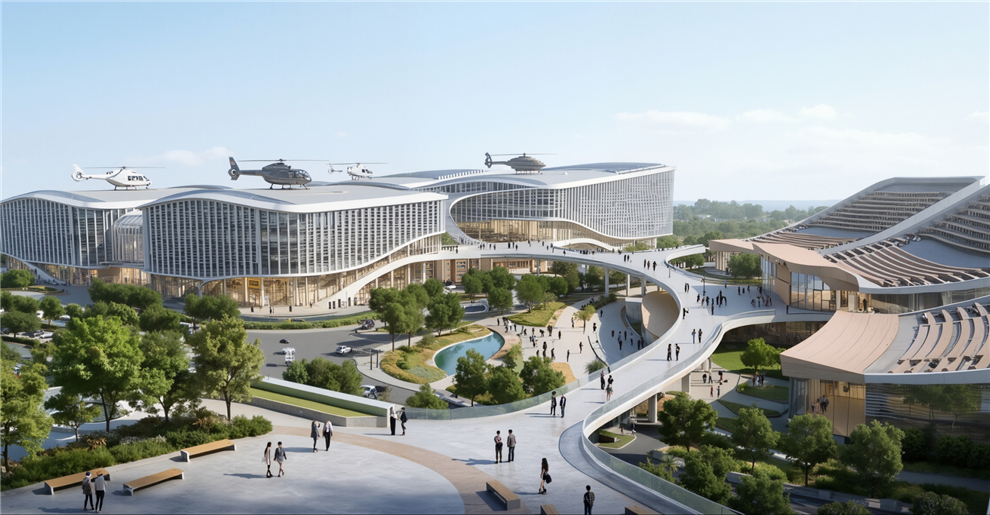
At Anhui DaShu Aviation, we're on a mission to make aerial services accessible to everyone. Whether it's helping farmers protect their crops more efficiently, delivering heavy cargo to hard-to-reach areas, or reimagining how people and goods move across cities — we're building the aircraft that will take you there.
From safeguarding harvests to moving what matters most, our UAV solutions are built to fit seamlessly into your life and work, no matter the mission.
A smarter, safer, and more reliable ecosystem for intelligent three-dimensional mobility.
Simpler technology, safer flights, and more dependable experiences — because the future of flight shouldn't be complicated or out of reach.
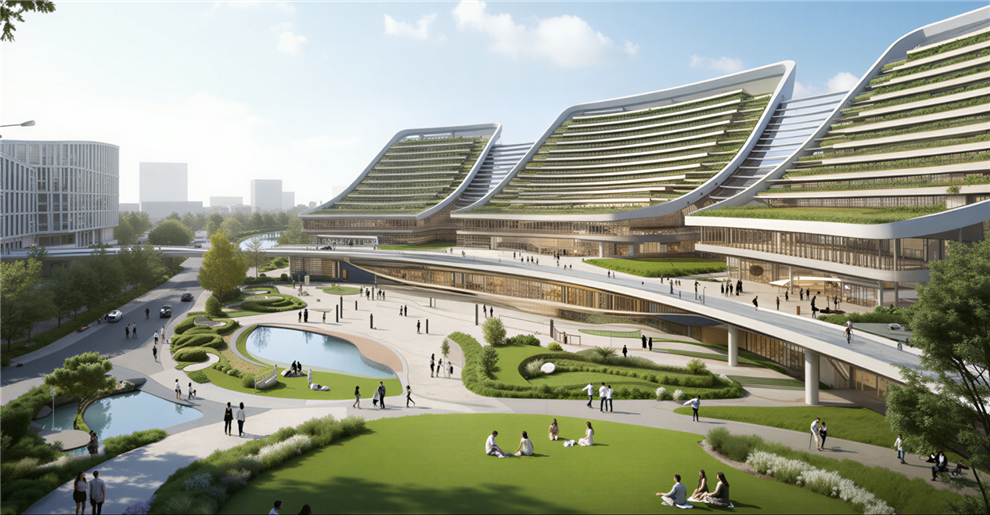
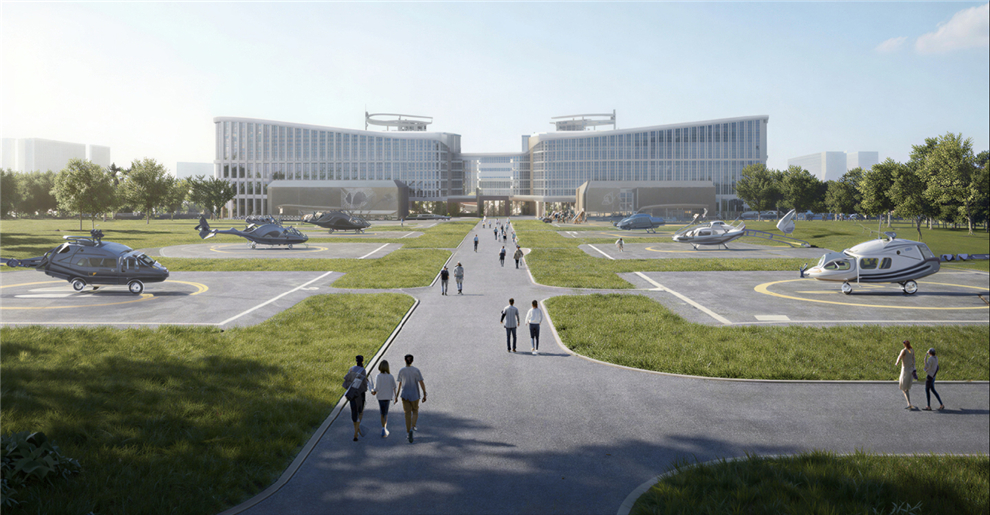
We design and manufacture new-energy aircraft for real people and real-world needs.

— The future of urban air mobility. Efficient, and completely emission-free, our eVTOL aircraft are designed for passenger transport and city logistics. They can decongest crowded roads, reduce travel times, and lower carbon footprints — making daily commutes faster and cleaner for everyone.

— Precision crop protection that saves time, reduces waste, and significantly improves yields. Our drones navigate complex farmland with ease, automatically avoiding obstacles while applying fertilizers and pesticides exactly where needed. This keeps farmers safe from chemical exposure, lowers operational costs, and supports sustainable farming practices.

— Reliable logistics solutions for last-mile delivery, emergency supply transport, and industrial operations. Whether it's delivering medical supplies to remote villages, transporting construction materials to mountain sites, or supporting disaster relief efforts, our drones carry heavy payloads over challenging terrain with minimal human intervention.
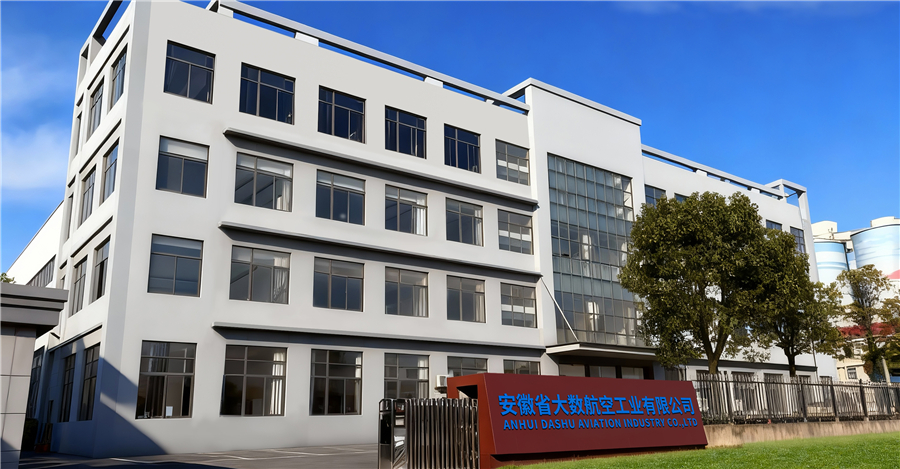
Our R&D and manufacturing center is located in Hefei, China — at the heart of China's emerging low-altitude economy innovation corridor.
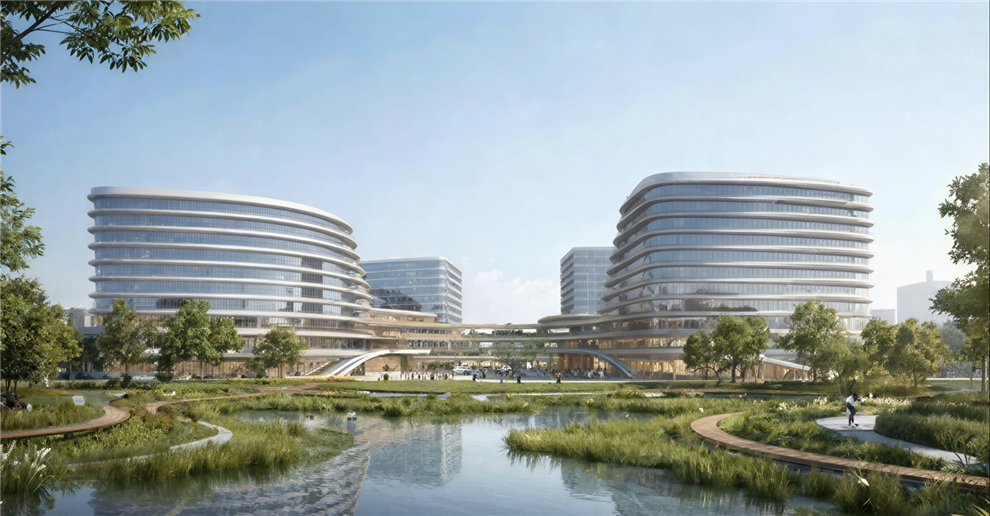
We're proud to be part of the low-altitude economy revolution, working every day to empower smarter, more connected, and more inspiring cities around the world. Our facilities support full-cycle development from R&D and prototype testing to mass production and quality assurance — ensuring every drone that leaves our factory meets the highest standards of performance and reliability.
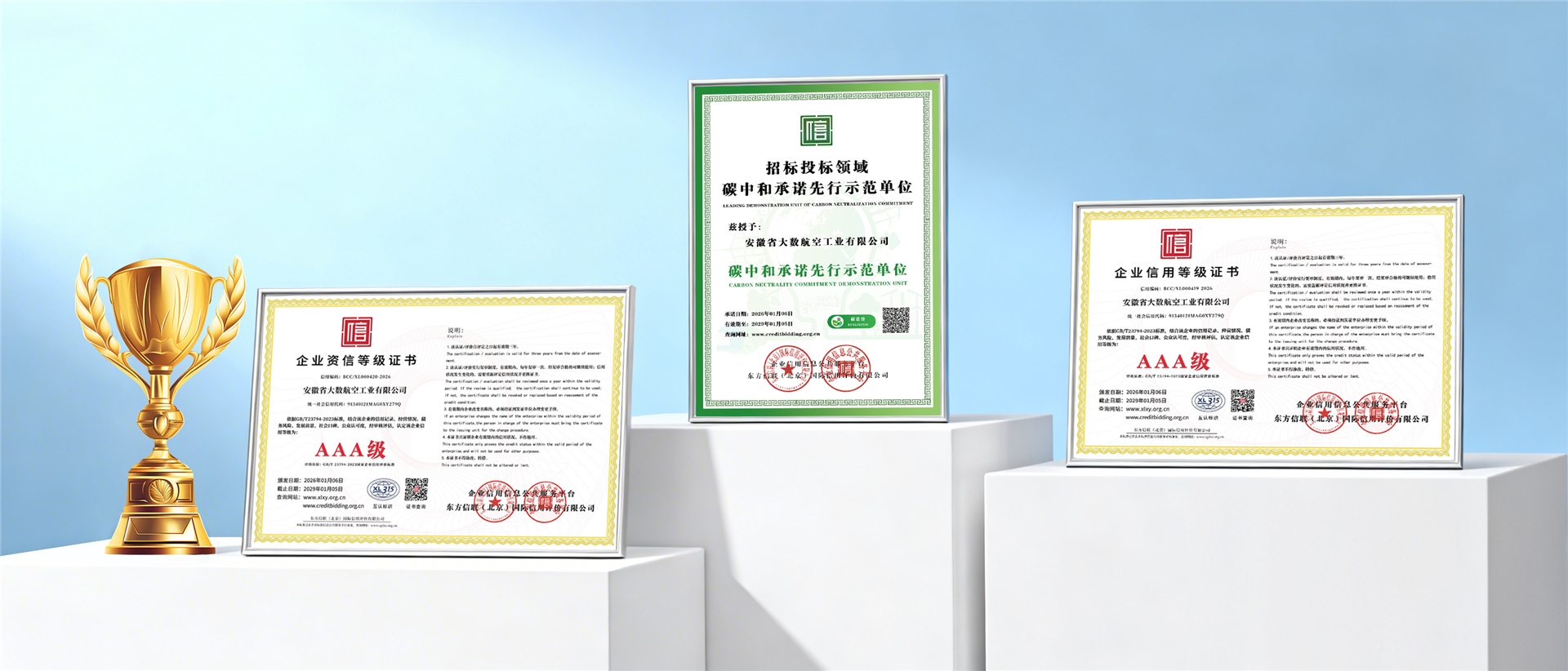
Our products and manufacturing processes are certified to the highest international standards, ensuring compliance, safety, and quality you can trust.
From compact 10L sprayers to high-capacity multi-function platforms — find the perfect surveillance drone for your crop spraying operation.