
Leave Your Message

Blog

Why Choose a GPS Pro Drone for Your Business?

Why Choose a GPS Pro Drone for Your Business?

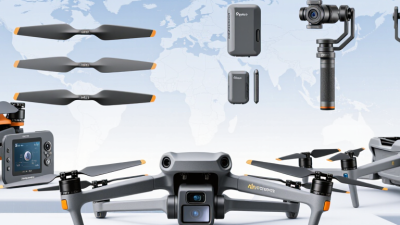
Let's be honest, nobody's buying a drone just for the thrill of flying it. What businesses really need are safer inspections, surveys they can repeat without pulling their hair out, and records that are actually useful – you know, stuff their team can act on. That's where a Gps Pro Drone comes in. It's got GPS-assisted positioning, you can plan your routes, and it tags everything with location data. So you're not just getting a drone, you're getting a tool that actually supports your goals. So, like, when you're doing a roof inspection, you know, you can snap a photo of the same vent or seam each time you visit. Then when you line those pictures up side by side, any tiny change just jumps out at you, right? You know what really makes this worthwhile? Consistency. When you've got a trained operator, they can pull up saved flight plans and revisit fields, construction sites, or utility assets without having to redo everything manually every single time. Plus, having clear image logs makes it way easier to share what you've found with managers or clients—no more trying to explain it all from memory. And here's the thing, Dr. Mary Cummings, who studies human-autonomy interaction, she's got this insight that really sticks: GPS guidance is there to help operators make better decisions, not to take over their judgment. That's a fine line, but it's a crucial one. Let’s be honest—GPS isn’t perfect. Things like tall buildings, dense trees, signal interference, or even a sloppy setup can throw off your positioning. And if the wind’s blowing or the lighting’s bad, your images might come out looking rough, too. That’s why teams really need to test their workflows out in the field, at the actual site, not just assume everything works. Check your gear, look over the data you capture, and only then start relying on it. Because honestly, not every site cooperates. A drone can save you a ton of time, sure, but it won’t magically give you accurate results on its own. And beyond that, businesses need to think about the whole package—training, maintenance, data storage, and how your staff are actually going to use those images day to day. You know, small gains really do add up, even if your first workflow might need a bit of tweaking. But honestly, the best choice isn't the one with the longest feature list – it's the one that actually fits what you need to get done day to day.
Read more »
Ethan By:Ethan - November 10, 2026
Top 10 Agricultural Drones for Sale Worldwide

Top 10 Agricultural Drones for Sale Worldwide

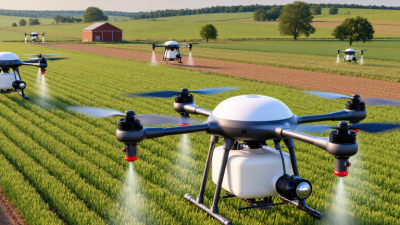
Let’s be honest—picking an agricultural drone isn’t just about comparing flight speeds or tank sizes. It’s a real-world decision. That drone might look amazing in the product photos, but once you’re standing in a windy field, it’s a whole different story. You have to think about your crops, the terrain, how many acres you’re covering, how often you’ll be swapping batteries, and whether there’s actually someone nearby who can service it. And the little stuff matters more than you’d think. A display you can actually read, a battery latch that clicks in securely, and a spray system that doesn’t take forever to clean—those things can save you so much time on a long day. So, this guide rounds up the top 10 agricultural drones on the market worldwide, comparing the big names like DJI, XAG, and Hylio, plus a few other established players. It’s really focused on the stuff that actually matters when you’re buying: payload capacity, flight time, navigation tech, spraying or spreading options, and of course training and support. Now, published specs are handy—they can definitely help you narrow things down. But honestly, they only tell you so much. A spec sheet isn’t going to prove how a drone performs on your farm, in your fields, with your crops. Every farm is different, so real-world results can vary quite a bit. Of course, what’s actually available and which configurations you can get really depends on where you are—so it’s always worth double-checking the latest details with the manufacturer or an authorized dealer. And honestly, no matter how good a shortlist looks on paper, there’s no substitute for getting out there and trying the equipment yourself. You know, some folks might come looking for “Remote Control Drone Drone” specifically, but agricultural drones are about a lot more than just flying around with a remote. It really comes down to safe operation, thoughtful planning, and staying on top of maintenance. And honestly, a bigger tank isn't always the win it seems—sure, it holds more, but the extra weight can hurt your endurance and handling. That trade-off is easy to overlook, but it matters a lot. Look, this overview is just meant to help you weigh your options more easily—though let's be real, there's no one-size-fits-all drone for every crop or budget. So take a look at the numbers, ask the questions that matter to you, and see how it stacks up against your actual field conditions.
Read more »
Nathan By:Nathan - November 7, 2026
2026 Best Coastal Drone Types for Mapping and Surveying?

2026 Best Coastal Drone Types for Mapping and Surveying?

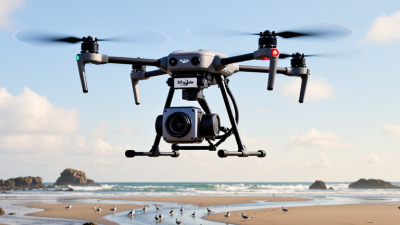
From above, a shoreline survey can seem like a piece of cake. But once you're down on the sand, it's a whole different story—breaking waves, wet sand, shifting dunes, and that salt haze can mess with just about every measurement you try to take. So picking the right Coastal Drone really comes down to what you're trying to figure out: are you mapping erosion, building a terrain model, or keeping tabs on habitat change? Every project has its own needs, so you can't just pick any aircraft, sensor, flight plan, or processing method and call it done. And let's be honest—just because an image is sharp doesn't mean it's a reliable survey. Before we dive in, a bit of geospatial context: Professor Chris Rizos is a big deal in geodesy and positioning. That said, we don’t have a verified quote from him specifically about picking a coastal drone, so I’m not going to put words in his mouth. Instead, here’s the rule of thumb we’ll be working with: choose the sensor and flight plan for the measurement, not just the view. Sounds obvious, but you’d be surprised how often field teams forget it. And for something like a small inlet or a narrow beach, a compact multirotor might be all you need. So yeah, a fixed-wing platform can cover a longer stretch of coast without eating up too much time. RTK or PPK positioning, ground control, and well-marked checkpoints definitely help—but let's be honest, none of that fixes bad planning. And you can't ignore salt spray, wind gusts, or the tide shifting under you. It's the little things. They can bite you. So, this guide is basically a rundown of the leading coastal drone options for mapping and surveying in 2026. We'll dig into coverage, sensor options, the terrain you're working with, workflow, and—let's be honest—the practical limits. And I'm not pretending this is an exact science: shorelines keep changing, and no single platform is going to make every dataset equally useful. At the end of the day, the best choice is the one whose measurements you can actually check, repeat, and clearly explain.
Read more »
Liam By:Liam - November 3, 2026
10 Remote Drone Buying Tips for Global Buyers

10 Remote Drone Buying Tips for Global Buyers

So, buying a remote drone from another country? It's way more than just comparing prices. You really have to think about what you're going to use it for, where you'll be flying it, what kind of support you can get, and the whole cost of ownership, not just the sticker price. Like, if you need a drone for roof inspections, you'd want stable imaging and batteries you can count on. But if you're doing surveys, you need precise GPS and software that actually works with your mapping tools. And here's the thing: tiny details can trip you up. Maybe a connector doesn't match, and suddenly your project is stuck waiting. Yeah, that's a real pain. Former FAA Administrator Michael Huerta once said, "We're at the dawn of the age of drones," and honestly, that rings so true. But just because tech is moving at warp speed doesn't mean you should rush into buying one without doing your homework. You've got to compare a few things: realistic flight time (not just the marketing numbers), control range, how it handles weather, what the warranty actually covers, what repair options exist, and maybe even check if there are good training resources. And don't forget to ask the seller for up-to-date product docs and some written confirmation of exactly what you're getting. It's a big purchase, so take a breath and dig in. Hey, before you ship anything out, you should definitely double-check the import rules, radio-frequency stuff, and any other operating requirements with the folks in charge at your destination. And here's the thing - those requirements can really vary from place to place, so don't just take the seller's word for it. Their assurance isn't a substitute for actually verifying things yourself, you know? Shopping for a drone can be a bit of a minefield, honestly. You'll see search terms that look all jumbled up—like 'Remote Control Drone Remote Control Drone'—and it's easy to get confused. Before you hand over any cash, just double-check that you're getting the exact model and configuration you want. And don't forget to ask for clear pictures of the aircraft, the controller, the battery labels, and all the ports. Better safe than sorry, right? Now, here's the thing—you can have the most detailed checklist in the world, but it's still easy to overlook a small mismatch when you compare things against the spec sheet. Yeah, that's a bit of a confession, but it happens. So these 10 buying tips? They're really about helping you, as a global buyer, ask the right questions, size up suppliers like a pro, and pick gear that actually works for your real-world tasks—not just something that looks great on a product page.
Read more »
Nathan By:Nathan - October 29, 2026
2026 Best Agriculture Drones for Global Buyers

2026 Best Agriculture Drones for Global Buyers

So, picking the right Agriculture Drone in 2026? It's not just about who has the best camera resolution or the longest advertised flight time. If you're buying from overseas, you'll want solid proof, clear specs, and some real-world field experience. That's what this guide is about—taking a look at the leading models for crop scouting, mapping, spraying, and orchard monitoring. It factors in things like payload capacity, battery setup, obstacle sensing, whether the software plays nice with what you already use, service support, and the total cost of owning it. And honestly? No two farms are the same. A compact drone might be perfect for smaller plots, while a bigger platform can cover wide fields much more efficiently. But wet soil, strong winds, uneven ground, and spotty network coverage can all shift performance fast. The specs on a product page? They only tell you part of the story. What really counts is field trials, feedback from operators, and maintenance records. Look, safety and flying legally still matter most. Before you buy, it's worth checking your local aviation rules, any chemical-use requirements, pilot training standards, and data protection rules too. Brands like DJI Agriculture, XAG, and Yamaha Motor each bring something different to the table—but honestly, no single brand is going to be perfect for every farm. Some systems have great automation, though they might need more hands-on technical support. Others are cheaper, but you may run into limited software integration or trouble getting spare parts. You know, that trade-off? It really deserves some honest attention, don’t you think? So, this 2026 comparison is really about dependable value, not big, flashy promises. It's meant to show what experienced users actually deal with day to day: charging delays, calibration work, weather interruptions, and yeah, the learning curve. Some recommendations might change as new evidence comes in. And honestly, that's worth admitting. The best Agriculture Drone isn't always the most powerful one. It's the system that fits your local crops, terrain, regulations, operators, and what you'll need for long-term service.
Read more »
Nathan By:Nathan - October 25, 2026
Top 10 Agriculture Drones for Sale Worldwide

Top 10 Agriculture Drones for Sale Worldwide

Choosing among the Top 10 Agriculture Drones for Sale Worldwide requires more than comparing prices. A capable Agriculture Drone must match crop type, acreage, terrain, weather, and local operating rules. It should deliver useful results, not only impressive specifications. Flight endurance matters when orchards extend beyond a battery’s practical range. Spray capacity matters when refilling interrupts a narrow treatment window. Camera quality matters when stressed leaves appear before farmers notice them. Yet these features do not perform equally on every farm. That is the uncomfortable part. Professor Simon Blackmore, an agricultural robotics specialist, has said, “The future of agriculture is robotics.” His view reflects a wider shift toward precise, data-supported field management. This guide examines models from DJI Agriculture, XAG, AgEagle, Parrot, Sentera, Hylio, EAVision, Yamaha, ABZ Innovation, and Terra Drone. The comparison considers payload, flight time, imaging systems, automation, maintenance, operator training, and after-sales support. It also considers practical details, such as spare batteries, charging access, uneven field boundaries, and wind near tree lines. A low purchase price may become expensive after service delays. A powerful aircraft may still be unsuitable for a small farm. No ranking can remove those decisions. Some performance claims remain difficult to compare. Manufacturer test conditions can differ significantly. Real farms are messier. Dust, heat, weak signals, and changing crops can expose limitations quickly. Therefore, readers should verify specifications, local requirements, and service availability before purchasing. The best Agriculture Drone is not always the largest or fastest model. It is the one that fits the farm’s actual workflow, budget, and technical confidence. That choice requires evidence, patience, and a willingness to reconsider attractive promises.
Read more »
Nathan By:Nathan - October 20, 2026
What Is the Best Foldable Drone from China?

What Is the Best Foldable Drone from China?

Picking the best Foldable Drone from China isn’t really about hunting down the longest flight time on a spec sheet. It’s more about whether the design, camera, safety features, and after-sales support actually line up with how you’ll fly. Colin Snow, founder of Drone Analyst, once put it simply: “Drones are tools, not toys.” That’s worth keeping in mind when you’re comparing DJI, Autel Robotics, and Potensic. A compact drone might slip into a small shoulder bag, but it can still have a three-axis gimbal, obstacle sensing, and solid GPS positioning. And honestly, those little details show up in every landing, turn, and camera move. DJI is still a strong reference point—especially with models like the DJI Mini 4 Pro and DJI Air 3. The Mini 4 Pro is easier to carry around. The Air 3 gives you better wind resistance and dual cameras. Autel Robotics tends to attract folks who want a different control feel and imaging style. Potensic? It can be a good fit for beginners who want a lower entry cost. The choice is never perfect. Battery claims might be based on calm conditions, not real flights with wind, cold weather, and lots of camera use. App stability can shift from phone to phone, too. Customer support probably deserves more attention than flashy specs suggest. Firmware updates, spare propellers, charger quality, and repair access can decide whether a drone is still useful after that first exciting weekend. This guide looks at leading Chinese Foldable Drone options using practical testing criteria, published specs, and user-focused experience. It also leaves room for uncertainty. The best model depends on the pilot, the location, the budget, and how much you’re willing to learn. There’s no universal winner. Just a more suitable choice.
Read more »
Liam By:Liam - October 16, 2026
China Top Heavy Lift UAV Manufacturers and Suppliers

China Top Heavy Lift UAV Manufacturers and Suppliers

China’s heavy-lift UAV world? It’s definitely shifting—from lab experiments and pilot projects into serious industrial work. These days, manufacturers are building platforms for things like power-line inspection, emergency logistics, precision ag, mapping, and infrastructure maintenance. The suppliers that stand out tend to do more than just make the airframe: they pair aircraft engineering with flight-control software, battery systems, payload integration, and after-sales support you can actually count on. Michael Perry, former DJI VP of Public Policy, once put it well: "Drones are tools, not toys." That line still holds up if you’re comparing China’s leading makers and suppliers. DJI brings broad commercial drone experience and a huge global service network. JOUAV leans into long-endurance unmanned aircraft for surveying, security, and industrial inspection. MMC UAV develops heavy-load platforms for transport, emergency response, and other specialized jobs. XAG and EAVision have deep experience in agricultural automation, where stable flight and accurate spraying really matter. That said, performance claims deserve a close look. A Heavy Lift Drone might carry a big payload under ideal conditions—but wind, altitude, battery temperature, and route planning can all eat into real-world capacity. No supplier is perfect. And yeah, that caveat matters. A solid buying decision should dig into verified payload tests, flight endurance, redundancy design, data-security practices, training, spare-parts availability, and regulatory support. Buyers should also ask for demos under realistic conditions: uneven terrain, cold weather, repeated takeoff cycles. That’s where the truth tends to show up. China’s top heavy-lift UAV manufacturers can offer competitive tech, flexible customization, and scalable production. But price alone should never be the quality benchmark. Field experience, transparent documentation, and responsive technical support often decide whether an aircraft becomes a useful industrial asset—or an expensive lesson.
Read more »
Nathan By:Nathan - October 13, 2026
What Is the Best Coastal Drone from China?

What Is the Best Coastal Drone from China?

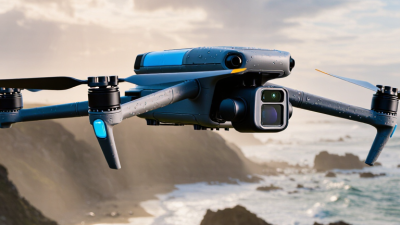
Picking the best Coastal Drone from China isn't just about comparing camera pixels. Shorelines are tough places to work. Salt spray gets into motors, the wind can switch on you fast, and bright water often messes with vision systems. So the aircraft you want needs to stay stable, be easy to maintain, and keep working after mission after mission. Dr. Lian Pin Koh, a conservation tech expert and co-founder of ConservationDrones.org, once put it well: drones are “a tool, not a panacea.” That's worth remembering. A drone can map tidal flats, inspect seawalls, count wildlife, and track erosion. But it can't replace trained pilots, on-the-ground checks, or good environmental judgment. The strongest Chinese options tend to blend long endurance, obstacle sensing, thermal imaging, and accurate positioning. For professional coastal surveys, the DJI Matrice 350 RTK is a standout. Its swappable payloads work well for mapping and inspection. The DJI Mavic 3 Enterprise is easier to carry and quicker to get in the air. And when thermal detail and flexible operations matter, the Autel EVO Max 4T is worth a close look. Still, “best” doesn't mean the same thing for everyone. A smaller drone might actually beat a heavier one on tight beaches. A rugged platform can be a hassle for a small research team. Battery planning deserves way more thought than glossy spec sheets suggest. Salt exposure is a real weak point too—and so is software dependence. So a careful comparison should look at flight time in wind, return-to-home accuracy, how the camera handles reflective water, and service access in China. Buyers should ask for maintenance records and check local operating requirements. Honestly, real coastal experience usually tells you more than any showroom demo. The ideal Coastal Drone isn't the priciest one. It's the one that gives you repeatable evidence, protects the environment, and fits the team's actual skills.
Read more »
Nathan By:Nathan - October 8, 2026
How to Choose the Best Waterproof Drones for Global Buyers

How to Choose the Best Waterproof Drones for Global Buyers

Picking out the right waterproof drones isn’t just about reading some catchy product description. Honestly, you really need to dig a little deeper—think water resistance, how stable they fly, battery life, camera quality, and what kind of support the seller offers afterward. If you’re using a drone near the coast, it’s got to handle salt spray, strong winds, and sudden weather changes. A model built for freshwater inspection isn’t gonna cut it in marine environments. Even tiny differences can make a big difference, so don’t overlook those details. Look for clear protection ratings and practical information from real tests. Sure, an IP rating sounds good, but it doesn’t mean you can just chuck it in water and expect everything to work perfectly. It's also smart to see if the manufacturer explains how they seal the drone, what maintenance is needed, the ideal operating temperatures, and how easy it is to get replacement parts. And don’t forget—ask how it holds up after lots of launches, landings, or if it’s been exposed to moisture. Sometimes, real-world use reveals issues that fancy specs don’t tell you. Safety should always be top of mind when you’re buying a drone. Make sure you’re familiar with local rules about flying, privacy laws, radio requirements, and how to transport batteries safely if you’re ordering from overseas. A reputable seller should give you clear manuals, quick tech support, and straight-up warranty info. They shouldn’t promise endless underwater use or flawless operation in stormy weather—that’s just wishful thinking. Be wary of those claims. In this guide, I’ve highlighted the key features for different tasks—whether it’s aerial filming, environmental monitoring, or search and rescue. I also looked into total costs of ownership: batteries, chargers, training, repairs, and data security. Remember, the most expensive drone isn’t always the best choice. It’s about finding one that fits your actual working conditions, your skill level, and your regional needs. Some specs are tricky to verify, and that’s okay—just be aware of that uncertainty and don’t pretend it’s not there.
Read more »
Liam By:Liam - October 4, 2026
China Top Crop Spraying Drone Manufacturers and Suppliers

China Top Crop Spraying Drone Manufacturers and Suppliers

China's really stepped up as a major player when it comes to manufacturing agricultural spraying drones, thanks to strong local networks and hands-on experience in the field. If you’re curious about who's who in this space, this guide strolls through some of the top crop spraying drone manufacturers and suppliers that serve farms, distributors, and ag service companies around the globe. Big names like DJI Agriculture, XAG, JTI, and Aolan each bring their own twist to aerial crop treatment. You'll typically find their product lines include multi-rotor drones, liquid tanks, centrifugal pumps, route planning software, and sensors that follow the terrain. A good crop spraying drone, in my opinion, should fly smoothly, apply chemicals accurately, be pretty easy to maintain, and manage batteries reliably. Little things matter — a clogged nozzle, for example, can ruin the whole field. If you're in the market professionally, make sure to check out things like payload capacity, spray width, flight time, charging speed, and the features offered in their software. Don’t forget to look into training options for operators, availability of spare parts, warranty details, and local support — all of these make a real difference. And weird as it sounds, searching for a "Remote Control Drone Drone" might seem odd, but having solid control is crucial — especially when you're working in orchards, on uneven terrain, or battling changing weather. Reliable suppliers will usually provide you with test data, manuals, maintenance tips, and honest info about what their drones can and can’t do. Watching product demos can tell you a lot — look at the spray patterns, see if they control drift well, and maybe even check the battery temperature after a few flights. Just a heads-up — real field conditions might throw in some surprises, so it’s always a good idea to get independent testing done. Keep in mind, not all suppliers are the same. Quality manufacturing, mature software, export experience, and after-sales support can really vary. Even seasoned users sometimes find that lab tests don’t always match day-to-day results. So, take your time, do your homework, and verify everything carefully before choosing a Chinese supplier for professional ag work.
Read more »
Liam By:Liam - September 30, 2026
What Is a Long Range UAV Drone?

What Is a Long Range UAV Drone?

A Long Range Uav Drone is basically an uncrewed aircraft built to stay in the air longer and go further than those small, short-range models we see often. But here’s the thing—when someone says "long range," it’s not a hard, set number. It really depends on a lot of factors: the specific drone, what powers it, its payload, weather conditions, the quality of its communication link, and what kind of mission it’s on. So, yeah, the label’s helpful, but it’s not a perfect measurement. If you're trying to figure out what a drone can really do, you shouldn’t just look at the range number. Instead, pay attention to flight endurance—that’s basically how long it can stay up in the air. And operating range? That’s how far it can go under certain conditions. Keep in mind, adding a heavier camera or sensor can cut down endurance. Windy days, cold weather, battery aging, and even the return trip all play a part. Plus, even if a map shows a clear route, tricky terrain or obstacles can mess with the communication link. Small details really do matter. In this article, I’ll walk you through the main parts of long-range UAV systems, how they work, what they’re commonly used for, and what their limits are. I’ll also tell you what to look for in the specs—things like test conditions, payload weight, and control link assumptions. That way, you can compare models more fairly. Just keep in mind, specs aren’t a guarantee. Safe flying means trained operators, good planning, and following the local rules. No shortcuts there. The tech might be pretty impressive, but range alone doesn’t tell you everything. A far more useful question is whether the drone can reliably do the job it’s supposed to, with some buffer and within its approved limits.
Read more »
Liam By:Liam - September 26, 2026
How to Choose the Best Aerial Drone in 2026?

How to Choose the Best Aerial Drone in 2026?

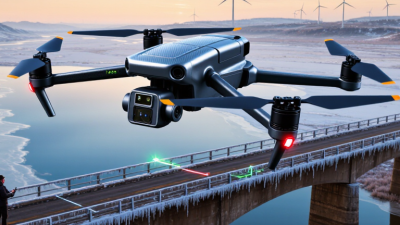
Picking out the best aerial drone in 2026 isn’t just about looking at camera pixels or flight times. The market’s moving so fast, it’s hard to keep up. According to Fortune Business Insights, the global drone scene could jump from around US$30.6 billion in 2024 to a massive US$54.8 billion by 2032. Drone Industry Insights also points out that there’s huge demand across areas like inspection, mapping, farming, logistics, and public safety. Sounds impressive, right? But just because the market’s booming doesn’t mean every drone will be a perfect fit for what you need. A smart choice starts with understanding what you actually want to do. For example, a tiny drone might easily fit into a hiking pack, but if you’re running a business, you might need features like thermal sensors, centimeter-level positioning, and the ability to swap out different payloads. Sure, battery life matters, but things like wind resistance become a lot more important when you’re flying on a cold bridge deck. And then there’s obstacle sensing — it can save you from costly mistakes, but it’s not a substitute for a skilled pilot. Colin Snow, from Drone Analyst, hits the nail on the head when he says, “A drone is a flying sensor.” That really sums it up — the drone’s value comes from the quality, usability, and security of the data it collects. Testing independently is a must-do. Sometimes manufacturer claims sound great, but they’re based on ideal conditions. In real life, you’re dealing with wind, shadows, cold batteries, weak satellite signals, and sometimes rough landings. I’d recommend looking at verified flight logs, how easy it is to get repairs, the kind of software support, data management options, and overall costs of ownership. It’s not the most glamorous part of choosing a drone, but it’s definitely safer. The “best” drone isn’t necessarily the newest model. Often, it’s the one that keeps working reliably after a few months of everyday use. Even seasoned buyers can get carried away by specs and overlook how it actually performs in real work. That’s why it’s so important to think things through carefully before making your choice.
Read more »
Liam By:Liam - September 22, 2026
Why Choose a Heavy Lift UAV for Your Business?

Why Choose a Heavy Lift UAV for Your Business?

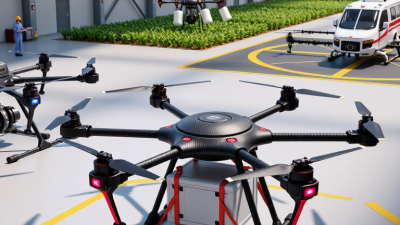
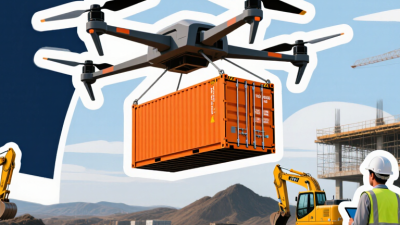
Thinking about using a Heavy Lift UAV for your business? Honestly, it can really change the game. Instead of risking delays or hazards on tough terrains, these drones can safely carry equipment, supplies, sensors, or replacement parts right where you need them. Imagine a construction site where a drone is effortlessly lifting a 40-kilogram load over uneven ground—no need to send a truck through muddy paths or tricky access roads. That can save you time, cut down on fuel costs, and keep workers safer by reducing exposure to dangerous situations. Moritz Moroder, CEO of FlyingBasket, put it well when he said, “Heavy Lift Drones become valuable when they consistently solve real operational problems safely.” It’s a good point—these drones aren’t just about looking cool. They need to prove their worth through reliable payload capacity, steady flight, thoughtful battery planning, and straightforward maintenance routines. Plus, operators should have proper training and thorough risk assessments tailored to each site. Honestly, these details matter way more than flashy demos or big promises. Figuring out if a Heavy Lift UAV is the right fit isn’t always straightforward. For example, carrying heavier loads can cut into flight time. Weather conditions can throw schedules off. And sometimes, replacing batteries costs more than expected. It’s really important to do a side-by-side comparison—think about cranes, helicopters, vehicles, or even manual handling. Look at delivery times, operating costs, downtime, and safety risks. And don’t just test the drone in perfect weather—try it out in real-world conditions to get a better sense of how it performs. That practical step often gets overlooked, but it’s so crucial. It can uncover weak spots before they turn into costly issues down the line. For businesses that need reliable aerial logistics, a Heavy Lift UAV could be a smart investment—if you make your decision based on solid evidence, responsible operation, and a clear understanding of your daily needs.
Read more »
Nathan By:Nathan - September 19, 2026
China Top Ultra Long Range Drone Suppliers for Buyers

China Top Ultra Long Range Drone Suppliers for Buyers

China has really become a key player when it comes to sourcing commercial unmanned aircraft. Buyers are now looking at things like how long the drone can stay in the air, how far it can control, its payload capacity, and after-sales support. In this guide, we'll introduce some of the top Chinese suppliers for ultra long-range drones, especially tailored for buyers. We’ll also share practical tips to help procurement teams make smarter choices. An ultra long-range drone isn't just cool technology — it’s super useful for legit tasks like surveying land, inspecting infrastructure, monitoring the environment, or even disaster planning. Some of the main players you might want to check out include JOUAV, DJI, Autel Robotics, and other specialized manufacturers. But keep in mind, their products can vary a lot — in how long they can stay flying, how you launch them, camera options, software integration, and the conditions they work best in. For example, if you're doing a coastal inspection, you’ll need a drone that can handle stable communication over open water. Or if you're surveying mountain terrain, you'll want something with terrain-aware navigation and a reliable way to automatically return home. The specs are important, but so is actually having hands-on experience in the field. Sure, brochures can give you an idea, but don’t just take them at face value. It’s a good idea to ask for test reports, maintenance histories, sample videos, and clear info on warranties. Also, double-check that the drone has the necessary aviation approvals, export licenses, data security measures, and permissions to operate locally. No single supplier is perfect for every job — I know it’s easy to forget that. Just because a drone advertises a super long range doesn’t mean it’ll always perform that way — weather conditions, antenna placement, how much payload it’s carrying, and local regulations can all affect performance. Plus, battery life can decline after repeated use. So, in this article, I’m emphasizing practical reliability, documented capabilities, and honest communication. Some info might be tricky to verify independently, so don’t hesitate to ask questions, compare different suppliers, and even request a controlled demo before you sign on the dotted line.
Read more »
Ethan By:Ethan - September 14, 2026