Leave Your Message
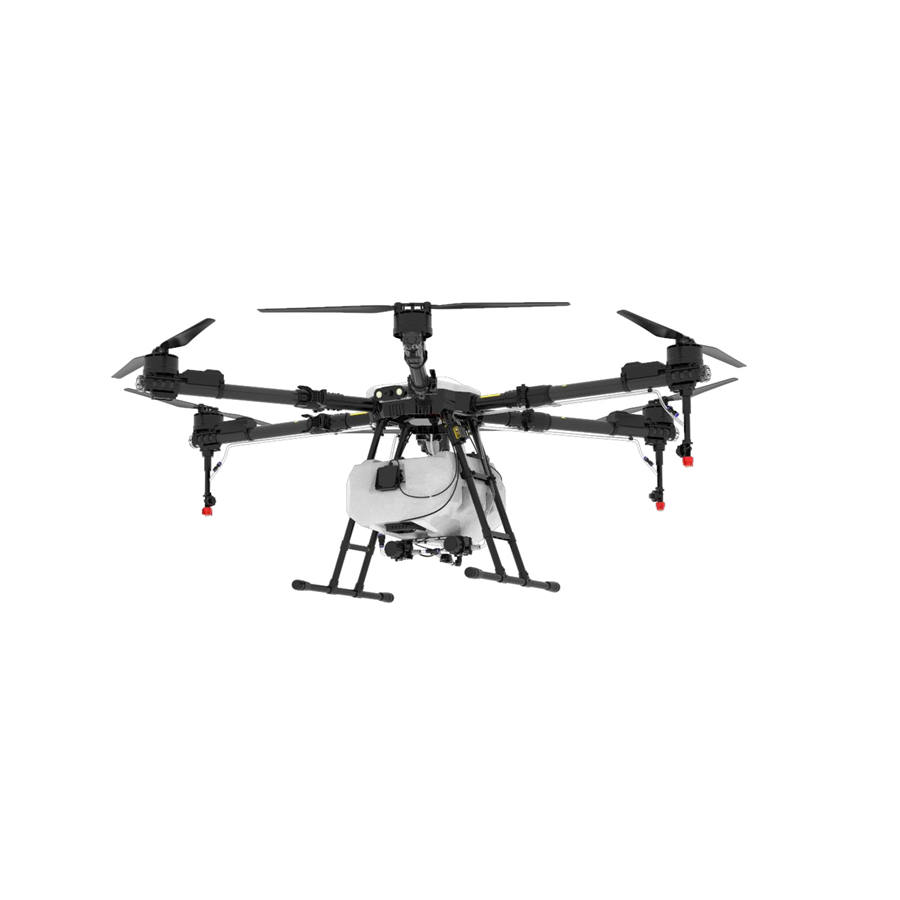
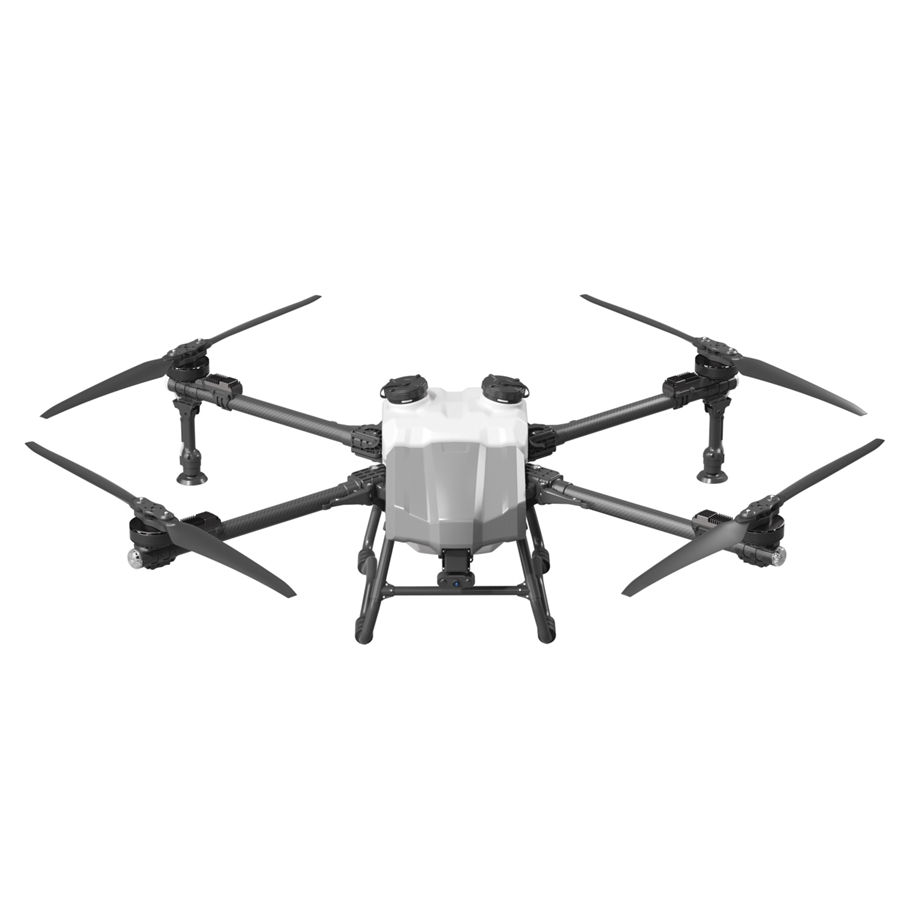
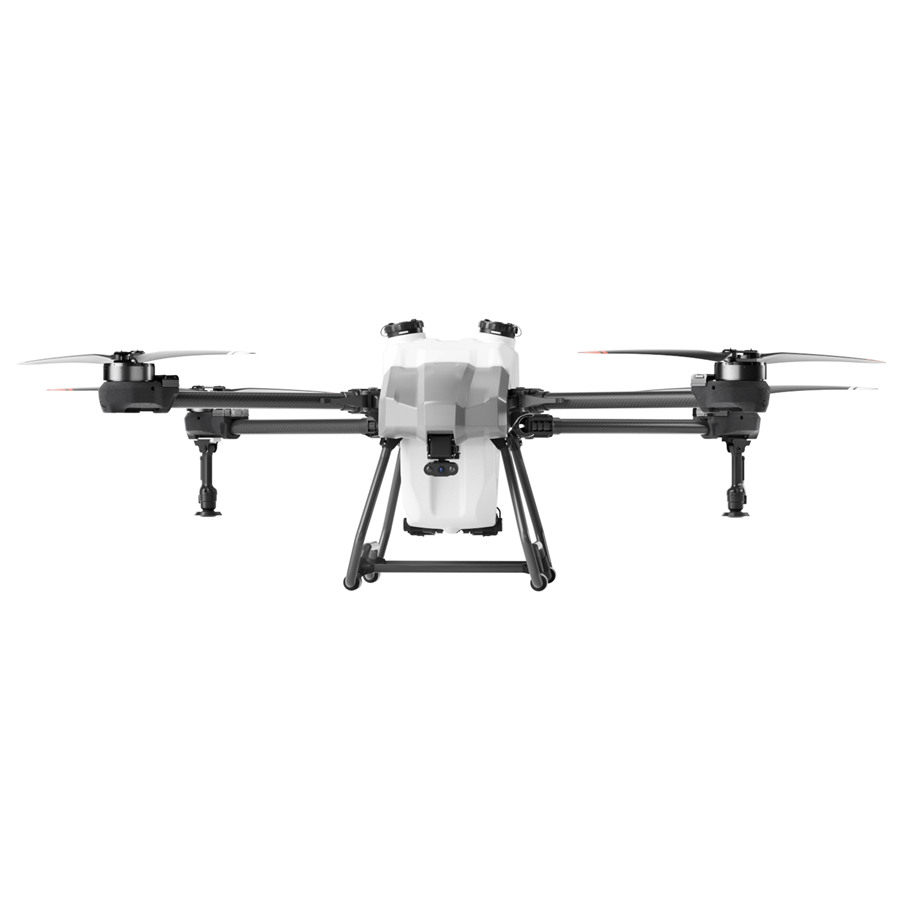
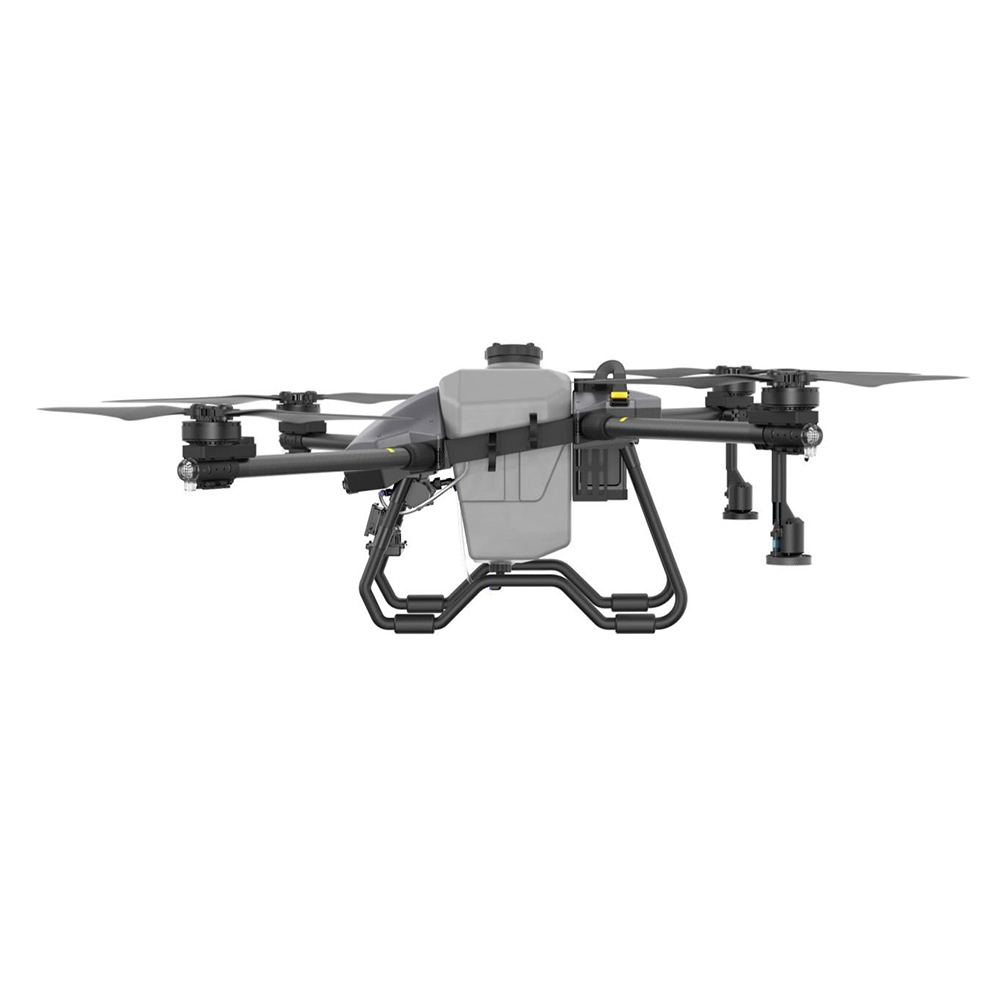
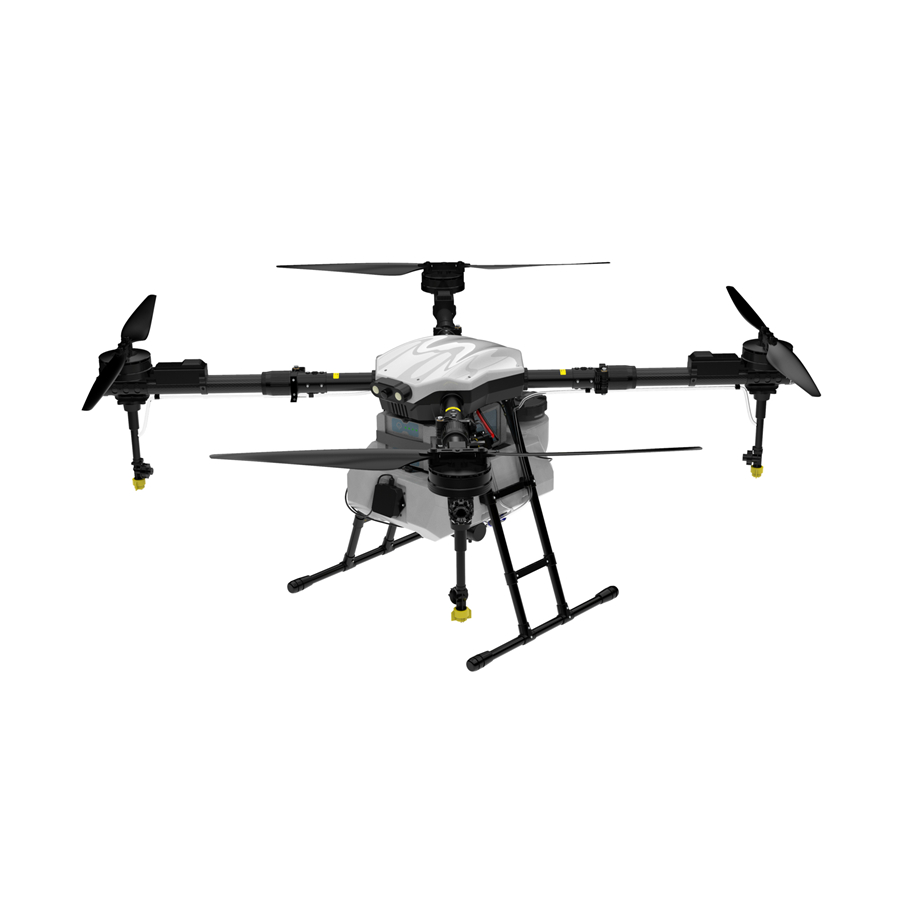
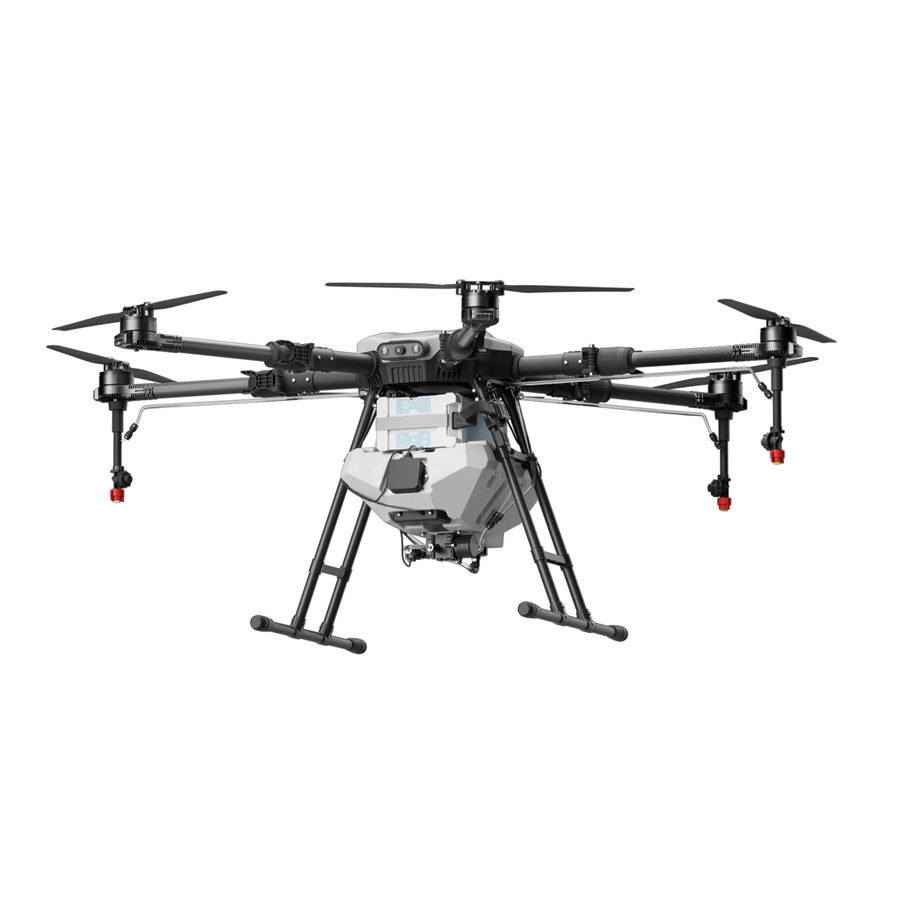
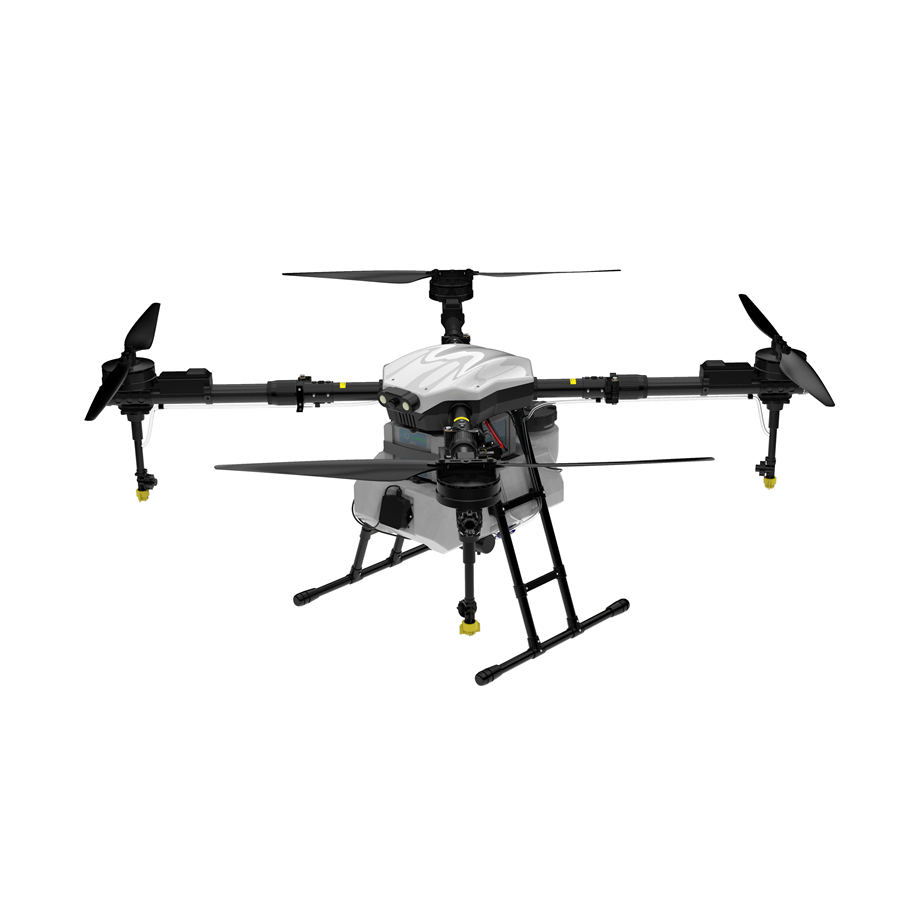
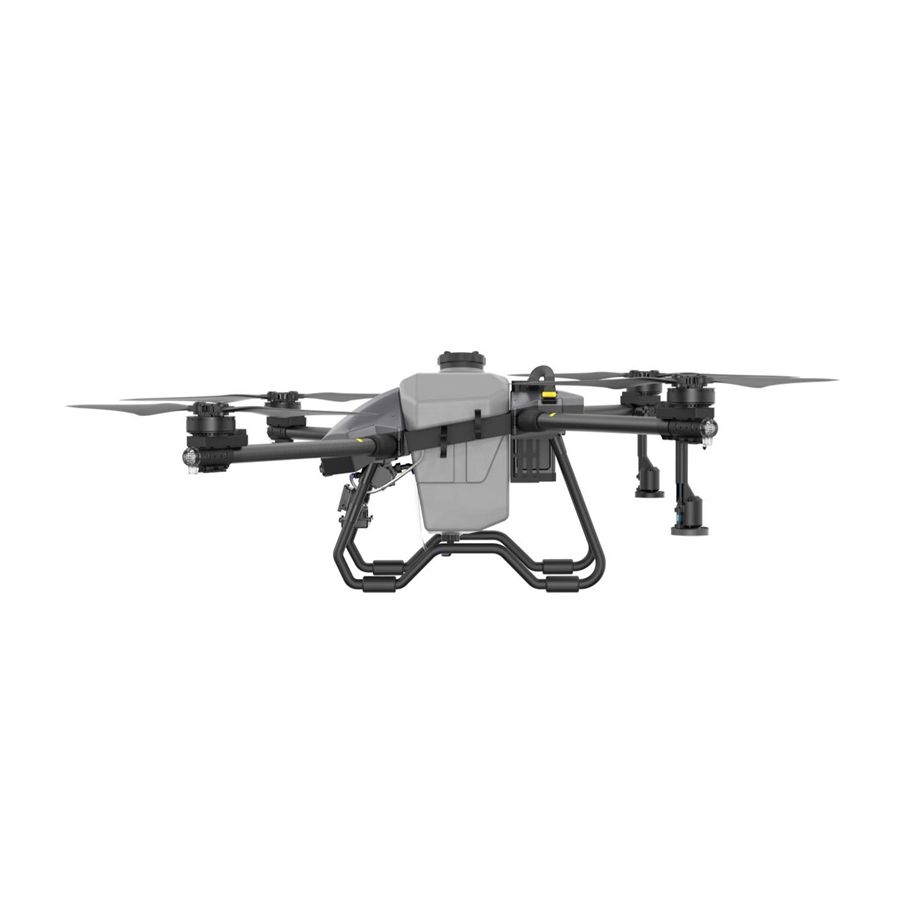
Explore our flagship agricultural drone platforms engineered for precision yield estimation, aquatic monitoring, and smart field management.
🤖 Underwater drones — also known as remotely operated vehicles (ROVs) or autonomous underwater vehicles (AUVs) — are transforming the way aquaculture operators, marine researchers, and coastal farmers assess biomass and predict harvest yields. Equipped with high-resolution cameras, sonar arrays, multispectral sensors, and AI-driven analytics engines, these systems can map underwater environments in three dimensions, count fish populations, measure shellfish density, and detect crop health anomalies in real time.
Traditionally, yield estimation in aquaculture relied on manual sampling — a labor-intensive, error-prone process that offered only a snapshot of farm conditions. Today, underwater drones equipped with machine vision and deep-learning algorithms can survey an entire fish cage or seaweed bed in minutes, generating data that is accurate to within 2–5% of actual harvest weight. This represents a paradigm shift for an industry that contributes over $280 billion annually to global food supply chains.
The integration of drone technology with yield estimation is not limited to fish farming. Kelp cultivation, oyster and mussel bed monitoring, coral reef restoration tracking, and underwater crop health surveillance are all emerging application domains where autonomous underwater sensing is delivering measurable commercial value.
The global underwater drone market is experiencing exponential growth, driven by rising demand for food security solutions, precision aquaculture, and sustainable marine resource management.
The global underwater drone market was valued at approximately $4.2 billion in 2023 and is projected to reach $9.8 billion by 2030, growing at a CAGR of 12.7%. Yield estimation applications account for a growing segment of this market, particularly in Asia-Pacific aquaculture regions where seafood production is concentrated.
Major salmon farming companies in Norway and Chile, shrimp producers in Southeast Asia, and tilapia farms in China are actively deploying underwater ROVs and AUVs for biomass estimation. Industry surveys indicate that over 35% of large-scale aquaculture operations now use some form of underwater drone technology for monitoring and yield prediction.
Beyond small farms, industrial aquaculture corporations are integrating underwater drone fleets with cloud-based farm management platforms. These systems provide continuous monitoring of multiple cages simultaneously, feeding real-time biomass data into ERP systems that optimize feed schedules, harvest timing, and logistics planning — reducing feed costs by up to 18% and cutting harvest labor by 40%.
The global seaweed farming industry, worth over $16 billion, is increasingly turning to underwater drones for yield estimation. Multispectral cameras mounted on AUVs can measure chlorophyll content, blade density, and growth rates of kelp and other macroalgae — enabling farmers to predict harvest volumes weeks in advance and optimize cultivation cycles.
Oyster, mussel, and clam farmers are adopting underwater drone surveys to replace traditional manual counting methods. AI-powered image recognition systems can identify and count individual shellfish with 94%+ accuracy, providing detailed spatial maps of bed density that inform selective harvesting strategies and reduce over-exploitation of prime growing areas.
Venture capital investment in underwater drone startups focused on aquaculture and marine yield estimation exceeded $650 million globally in 2023. Government subsidies in the EU, China, Norway, and Australia are further accelerating adoption, with programs offering grants of up to 50% of equipment costs for qualifying aquaculture operations adopting precision monitoring technology.
From offshore fish cages to intertidal shellfish beds, underwater drones are redefining precision yield management across diverse aquatic production environments.
In offshore salmon and tuna cage operations, underwater drones equipped with stereo vision cameras perform automated biomass scans. By capturing thousands of fish images per dive and applying deep-learning size estimation algorithms, operators receive daily biomass reports with precision previously impossible without manual sampling. This enables optimal harvest timing and reduces the risk of overcrowding-related mortality.
Underwater AUVs navigate seaweed cultivation lines autonomously, using multispectral imaging to assess frond density, pigmentation health, and estimated wet weight per meter. Data is transmitted via acoustic modems to surface buoys, then relayed to cloud platforms where machine learning models generate harvest yield predictions and optimal cutting schedules.
In intensive shrimp farming ponds, miniaturized underwater drones perform regular transect surveys, counting shrimp populations and measuring average body length. Combined with water quality sensor data (dissolved oxygen, pH, temperature), AI models predict growth curves and optimal harvest windows — reducing the guesswork that leads to premature or delayed harvests costing producers millions annually.
Conservation organizations and marine park authorities deploy underwater drones for coral reef health assessment and biodiversity yield estimation. Photogrammetry software reconstructs 3D reef models from drone footage, enabling researchers to track coral coverage percentages, fish population dynamics, and ecosystem productivity — critical data for sustainable fisheries management and blue carbon accounting.
Leading aquaculture technology companies are building end-to-end platforms where underwater drones serve as the primary data collection layer. Drone-generated yield estimates feed directly into automated feeding systems, harvest scheduling modules, and financial forecasting tools — creating a closed-loop precision farming ecosystem that maximizes profitability while minimizing environmental impact.
The most advanced aquaculture operations are now combining aerial agricultural drones with underwater ROVs to create comprehensive farm monitoring systems. Aerial drones survey surface conditions, water color, and algal bloom development, while underwater drones simultaneously assess subsurface biomass. Fused data from both platforms provides a holistic view of farm productivity that neither system could deliver alone.
Next-generation underwater drones are embedding edge AI processors capable of running neural networks locally — eliminating the need for data transmission to cloud servers for basic yield estimation tasks. This enables real-time decision-making in environments with poor acoustic communication bandwidth, dramatically increasing operational efficiency in deep or remote farming locations.
Battery technology advances and underwater wireless charging docks are extending drone mission durations from hours to days. Autonomous charging stations anchored to cage structures allow drones to operate in continuous monitoring loops without human intervention — a critical development for 24/7 yield tracking in large-scale offshore aquaculture facilities.
Research institutions and commercial developers are advancing swarm underwater drone systems where multiple small AUVs coordinate to survey large areas simultaneously. Swarm intelligence algorithms enable these fleets to divide survey zones, avoid collisions, and aggregate data efficiently — reducing total survey time for large fish farms by up to 80% compared to single-drone operations.
Continuous underwater drone data streams are enabling the creation of real-time digital twins of aquaculture farms — virtual replicas that simulate biomass growth, disease spread, and environmental stress scenarios. Farm managers can test different feeding and harvesting strategies in the digital twin before implementing them physically, optimizing yield outcomes while minimizing risk.
As environmental, social, and governance (ESG) reporting requirements tighten globally, aquaculture producers are using underwater drone yield data to demonstrate sustainable practices to investors and regulators. Accurate biomass estimates prevent overstocking, reduce antibiotic use, and minimize waste — all measurable sustainability metrics that enhance brand value and access to green financing.
Technologies developed for underwater yield estimation — including acoustic positioning, pressure-tolerant electronics, and biofouling-resistant materials — are finding applications in offshore wind farm inspection, pipeline monitoring, and underwater infrastructure assessment. This cross-pollination is accelerating the pace of innovation and reducing costs for aquaculture-specific applications through economies of scale.
From safeguarding harvests to moving what matters most, our UAV solutions are built to fit seamlessly into your life and work, no matter the mission.

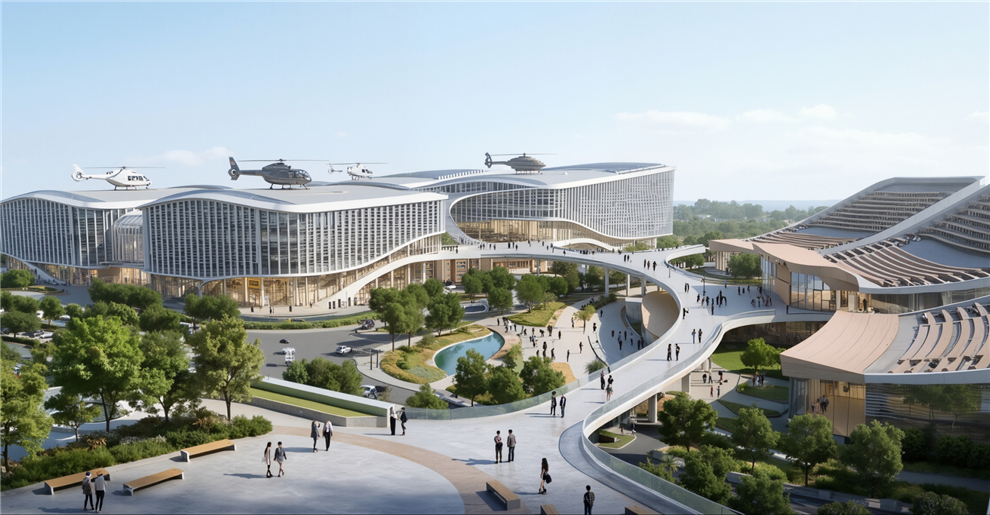
— The future of urban air mobility. Efficient, and completely emission-free, our eVTOL aircraft are designed for passenger transport and city logistics. They can decongest crowded roads, reduce travel times, and lower carbon footprints — making daily commutes faster and cleaner for everyone.

— Precision crop protection that saves time, reduces waste, and significantly improves yields. Our drones navigate complex farmland with ease, automatically avoiding obstacles while applying fertilizers and pesticides exactly where needed. This keeps farmers safe from chemical exposure, lowers operational costs, and supports sustainable farming practices.

— Reliable logistics solutions for last-mile delivery, emergency supply transport, and industrial operations. Whether it's delivering medical supplies to remote villages, transporting construction materials to mountain sites, or supporting disaster relief efforts, our drones carry heavy payloads over challenging terrain with minimal human intervention.
We believe the sky is not a limit — it's the next frontier for everyday mobility.
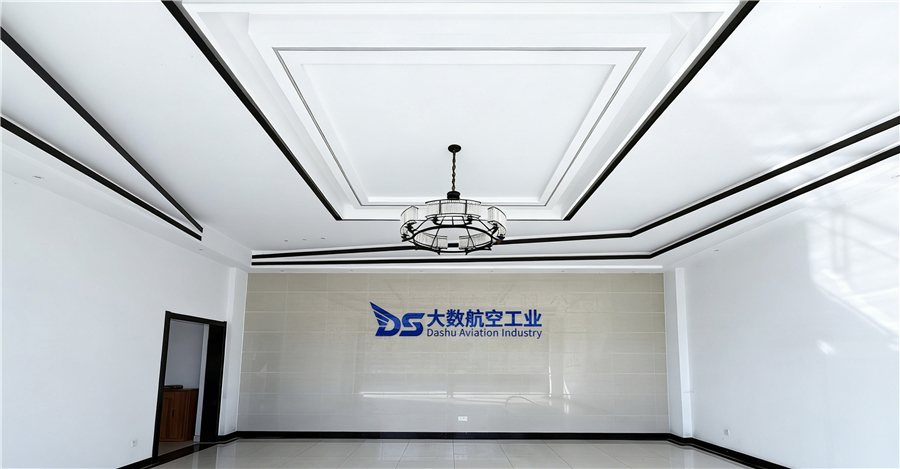
At Anhui DaShu Aviation, we're on a mission to make aerial services accessible to everyone.
Whether it's helping farmers protect their crops more efficiently, delivering heavy cargo to hard-to-reach areas, or reimagining how people and goods move across cities — we're building the aircraft that will take you there.
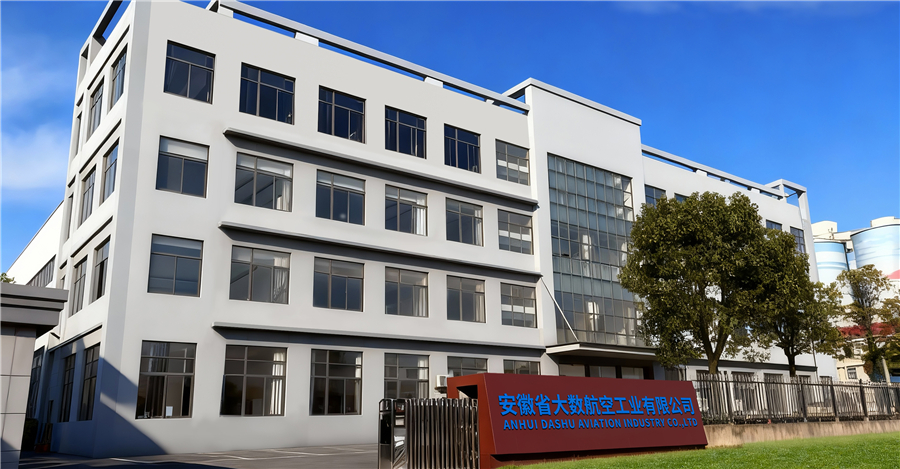
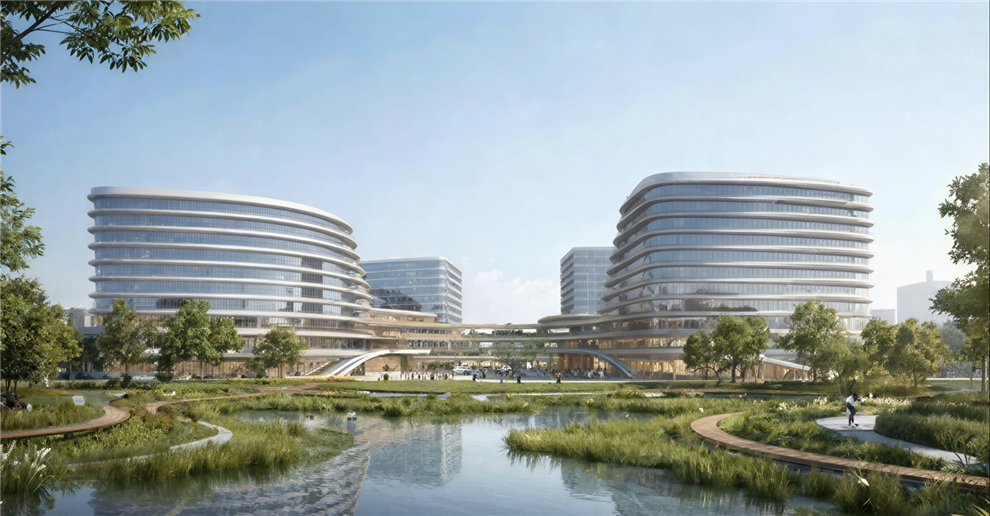
Our R&D and manufacturing center is located in Hefei, China — including an 8,840 m² production workshop and a 2,080 m² office hub. We're proud to be part of the low-altitude economy revolution, working every day to empower smarter, more connected, and more inspiring cities around the world.
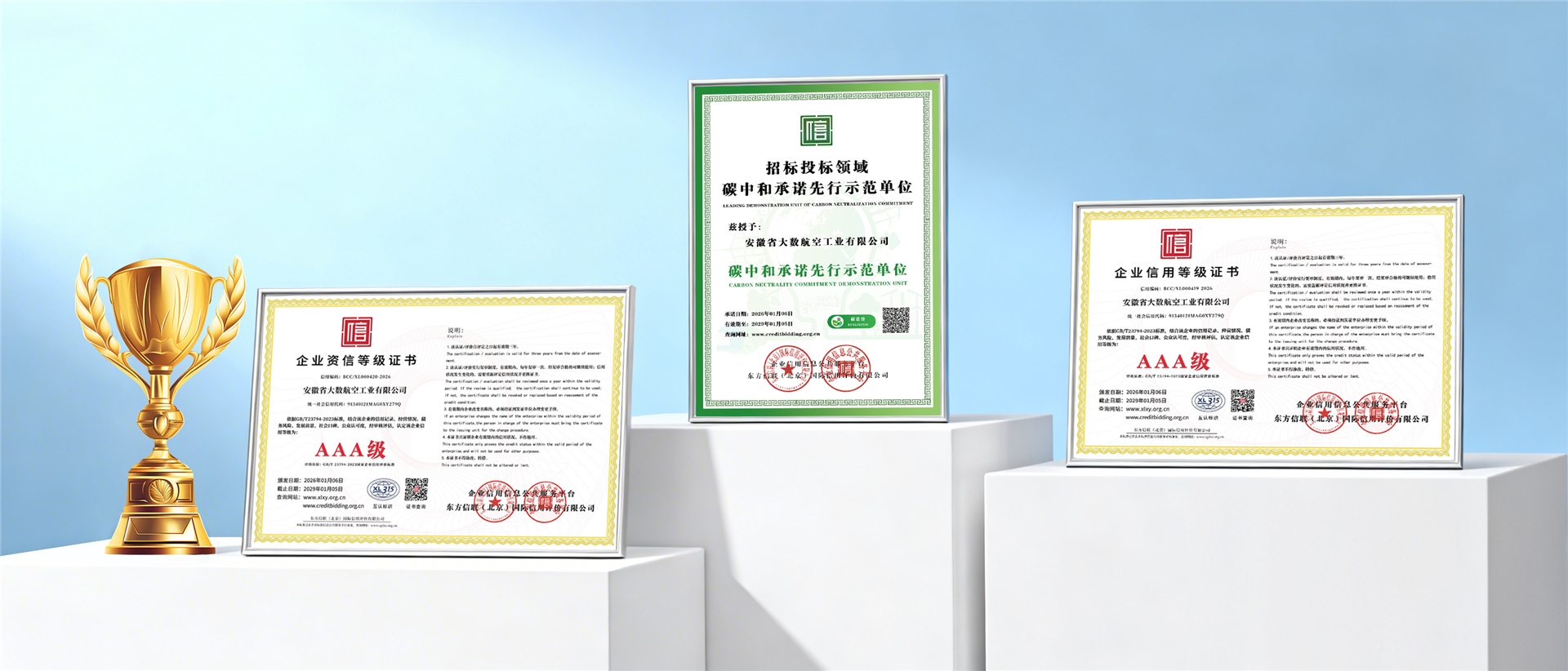
Discover our complete range of precision agricultural and yield estimation drone platforms — engineered for every scale of operation, from small farms to industrial aquaculture facilities.